
 EN
EN
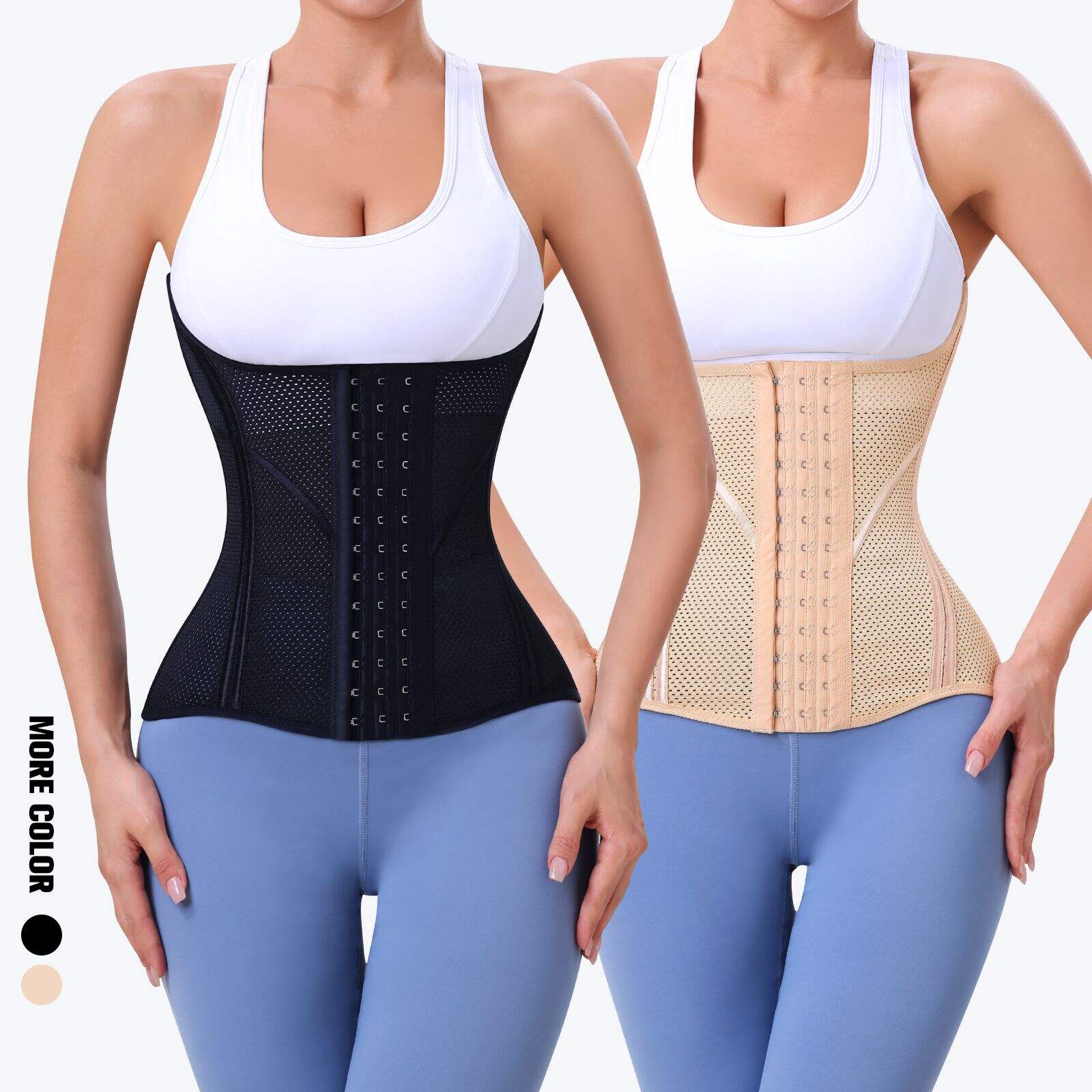
Evidence-Based Daily Wear Duration: The 4–8 Hour Sweet Spot
Clinical consensus and biomechanical rationale for limiting wear to 4–8 hours
Most orthopedic doctors and PTs agree that waist trainers shouldn't be worn for more than about 4 to 8 hours each day. This time frame gives the body what it needs while still offering some posture benefits without causing problems. When someone wears a trainer for too long straight, it can actually compress the stomach area and make breathing feel restricted. For those first few hours of compression, the pressure does help engage core muscles during movement. But if worn continuously past that 8 hour mark, things start going wrong. The muscles get confused about how they're supposed to work, and people lose about 30% of their ability to sense where their body is in space. That leads to weaker core muscles over time. New users need to take it slow though. Start with just an hour or two at first, then build up gradually over around a month until reaching the maximum recommended wearing time.
Why exceeding 8–10 hours elevates risks of musculoskeletal deconditioning and tissue adaptation
Putting on a waist trainer for over eight to ten hours each day can lead to serious problems that doctors have actually documented. When someone wears one too long, it pushes those lower ribs out of place, messes with how the spine lines up, and weakens this important core muscle called the transverse abdominis after just three to six months of regular use. And we know from experience that this kind of muscle weakness often leads to back pain down the road. The body also struggles to get enough oxygen while compressed like this, dropping oxygen levels by around 8 to 12 percent during extended periods in the trainer. That means people feel tired faster and their bodies go into stress mode. At the tissue level, things get worse too. Many folks who keep wearing trainers find they lose flexibility in their torso area forever, and some even develop nerve issues. Clinical studies show about 42 percent of people who wear them regularly report numbness somewhere along the line. And here's another concerning fact: research indicates daily waist trainer users face nearly double the risk (57%) of developing acid reflux compared to non-users. If someone starts noticing rib soreness, finds themselves taking shallow breaths all day, or catches themselves slouching forward at the upper back, these are red flags that signal it's time to take off the trainer immediately.
Safe Acclimation Protocol: How to Gradually Increase Waist Trainer Wear Time
Week-by-week progression plan: From 1–2 hours in Week 1 to sustained 6–8 hours by Week 4
Start with a gradual 4 week adjustment period when getting used to wearing these devices regularly. Week one should focus on short sessions lasting around 1 to 2 hours during times when not much activity is happening. By week two, aim for 3 to 4 hours total, remembering to take brief 15 minute pauses each hour. Week three brings longer durations of 4 to 6 hours, keeping an eye on how comfortable breathing feels during normal movements. Finally, week four builds up to 6 to 8 hours of daily use with frequent posture assessments throughout. This step by step method helps reduce strain on muscles and tissues while allowing the body to adjust properly. Going beyond 8 hours even once someone has fully adapted raises the risk of muscle and joint problems by nearly two thirds according to research published in biomechanics journals.
| Week | Duration | Activity Level | Break Frequency |
|---|---|---|---|
| 1 | 1–2 hrs | Sedentary | Not required |
| 2 | 3–4 hrs | Light movement | 15 mins hourly |
| 3 | 4–6 hrs | Daily tasks | 20 mins hourly |
| 4 | 6–8 hrs | Regular routine | 30 mins hourly |
Key physiological warning signs—rib pain, breath restriction, or postural fatigue—that signal overuse
Immediate removal is warranted upon noticing any of these evidence-based red flags:
- Rib pain, indicating cartilage compression or costochondral stress
- Shallow breathing, reflecting diaphragmatic restriction and impaired gas exchange
- Upper-back slumping, signaling transversus abdominis and multifidus exhaustion
Studies indicate that around 4 out of 10 people who try this product start experiencing symptoms after wearing it too long for about 45 minutes. When someone stands for extended periods, their body gets tired and loses balance easier, which makes falls much more likely. Watch out for numb spots that don't go away even after taking off the device, or stomach troubles that hang around past the two hour mark. If either happens, stop using it completely for at least two full days. Then reach out to someone who knows their stuff - maybe a physical therapist or doctor who specializes in sports injuries - before trying again.
Documented Health Risks of Prolonged or Improper Use
The medical community has repeatedly warned about the dangers of wearing waist trainers for too long or not fitting them properly. When someone keeps their stomach compressed for extended periods, digestion problems tend to develop, including acid reflux issues. The ribs also suffer when squeezed too tightly, with research showing lung capacity can drop as much as 30% in some cases. Many people who wear these devices regularly end up with nerve pain between their ribs, something affecting around two thirds of regular users according to various studies. This discomfort is usually connected to poor blood flow and tissue sticking together where it shouldn't. Getting the size wrong makes everything worse though. If the trainer is too tight, it might actually push parts of the colon out of place or stop important muscles in the bottom and pelvis from working correctly. These muscle weaknesses don't just go away once the trainer comes off either.
When someone wears these devices for too long, their body's natural ability to maintain good posture starts breaking down. The core muscles basically stop working properly and become reliant on external support, which speeds up problems with the spine and makes lower back discs more vulnerable to damage. Doctors have seen actual cases where people who wore them all day every day ended up with flattened diaphragms and completely changed breathing patterns after crossing that magic 8 hour mark. There's also something else going on with blood chemistry when the abdomen stays compressed for extended periods. Carbon dioxide builds up in the arteries, sometimes triggering strange breathing issues or even feelings similar to anxiety attacks. That's why organizations like the American College of Sports Medicine suggest keeping daily usage between four to six hours for regular folks. Most people find they get all the benefits without risking long term health problems if they stick to those limits.
FAQs: Addressing Common Questions About How Long You Should Wear a Waist Trainer
Is it safe to wear a waist trainer while sleeping or exercising? What AAFP and ACSM say
Medical experts from organizations like the American Academy of Family Physicians and the American College of Sports Medicine strongly recommend not wearing waist trainers while sleeping or doing intense workouts. When someone wears these tight garments, they limit how much the diaphragm can expand, which cuts down on oxygen getting into the body during exercise by around 30% according to recent studies. This reduced oxygen flow makes workouts less effective and puts extra stress on the heart. Wearing them at night increases pressure inside the abdomen and chest area, messing with normal digestion processes and blood flow throughout the body. Doctors have seen higher instances of rib pain and weaker core muscle engagement among people who regularly use waist trainers improperly. To stay safe, take off any waist training garment before going to bed or engaging in activities that involve moving around, lifting weights, or anything else that requires physical effort over time.
Does longer wear time accelerate results? Debunking the 'more is better' myth with evidence
There just isn't solid proof that wearing these devices longer makes waist reduction happen faster. A recent study looking at fat cells showed they bounce back completely within about three days after someone stops compressing them, which means any shape changes we see are only temporary. On the flip side, people who wear them for more than ten hours each day tend to experience problems. Research published last year found a 34% increase in core weakness issues and muscle tension problems among regular users. For real results, sticking to four to eight hours per day works best when paired with strength exercises and proper nutrition. Going beyond that doesn't help much. The belief that "longer is better" actually leads to trouble. Some documented cases show folks developing scar-like tissue in their connective tissues, cracked ribs from constant pressure, and lasting posture issues that never go away.