
 EN
EN
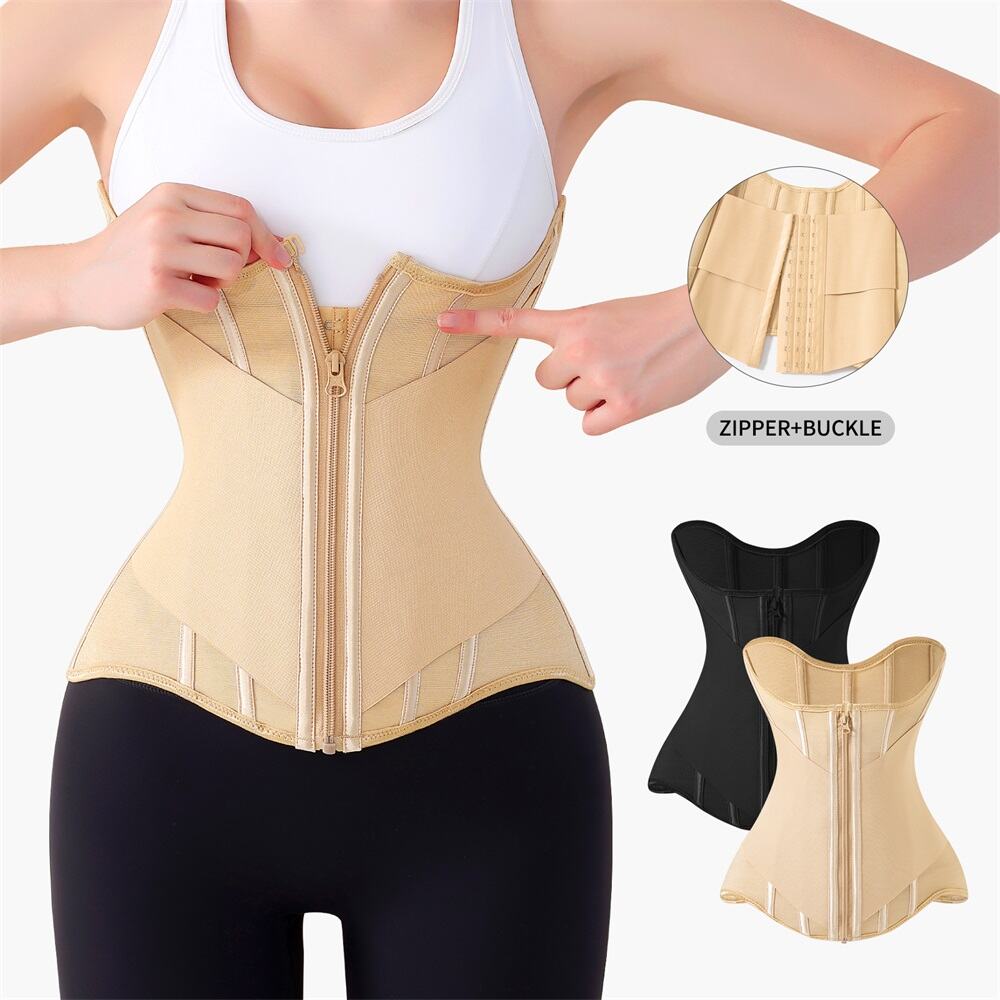
How Does a Waist Trainer Work: The Science of Temporary Compression
Circumferential Pressure Mechanics and Immediate Silhouette Change
Waist trainers work by putting steady pressure all around the midsection thanks to materials such as medical grade latex plus stiff steel or plastic bones built into them. When worn, they squeeze the body mechanically which pushes out some of the fat under the skin and moves the organs in the belly area slightly, giving that hourglass shape right away without actually changing anything inside the body's structure. These aren't like regular stretchy shapewear though because their rigid construction keeps applying even pressure throughout the day, often shrinking waist measurements somewhere between one to three inches. Research using motion capture technology shows these effects disappear completely after taking off the trainer since the tissues go back to normal pretty quickly. Safety wise it's important that the squeezing stays beneath what would block blood flow or pinch nerves, so manufacturers usually keep compression levels well below typical diastolic blood pressure readings.
Short-Term Physiological Responses: Appetite, Posture, and Proprioception
When compression hits those abdominal mechanoreceptors, it sends signals back to the brain that basically tell the body to stand straighter and engage the core muscles automatically, which helps keep the lower back from bending too much during everyday activities. Some people report feeling fuller faster when there's mild pressure on their stomach area. A study actually found folks eating with waist trainers consumed about 23 percent fewer calories compared to those without them. But watch out for overdoing it though. If someone wears these things too tightly for long periods, they might start having trouble breathing properly because the chest gets restricted. This can drop oxygen levels in the blood by around 4 to 7 percent even for people sitting still while moving around. And remember, take it off right away if there's any numbness, heartburn issues, or difficulty catching breath.
What Waist Trainers Do NOT Do: Debunking Common Misconceptions
While understanding how a waist trainer works helps set realistic expectations, it's equally critical to debunk pervasive myths about their capabilities.
Spot Reduction Is a Myth: Fat Loss Cannot Be Targeted by Compression
Those waist trainer gadgets basically squeeze the body tissues together for a quick look that doesn't last long at all. The truth is nobody can target specific areas for fat loss, despite what ads might claim. Research from folks like the American Council on Exercise plus several comprehensive studies shows that when we lose fat, it happens throughout the whole body as part of creating a calorie deficit over time. When someone sweats out water weight during workouts wearing these things, guess what? It just comes back once they drink fluids again. Compression belts don't actually move fat cells around or boost metabolism in one particular area either. All those promises about melting belly fat with heat or tightness? There's no real science behind them. If someone wants to shed fat for good, they need to focus on proper eating habits backed by research and build strength through regular exercise routines instead of relying on passive pressure from clothing.
No Evidence for Permanent Structural Change or Core Strengthening
Waist trainers don't actually change the skeleton or build muscle over time. When someone takes one off, all those inches gone are just temporary compression of soft tissues, not real body restructuring. What's worse, wearing these things might actually make the core muscles weaker because they're not being used properly. Research into this area has found that people who wear waist trainers regularly don't get better trunk stability or endurance from them. And if someone relies on them for too long, it can speed up muscle loss instead of preventing it. Looking at actual exercise methods, though, there's plenty of evidence showing that doing basic moves like planks, dead bugs, and Pallof presses really does strengthen the abs and improve how well the body controls movement. These exercises work because they engage multiple muscle groups naturally without artificial assistance.
Health Risks of Improper Use: When Compression Becomes Harmful
While waist trainers can create temporary silhouette changes, excessive or prolonged pressure poses serious physiological threats—particularly when used without clinical guidance.
Respiratory and Digestive Compromise from Excessive or Prolonged Wear
Prolonged use limits how much the diaphragm can move, which cuts down on forced vital capacity during breathing by as much as 60%. This can lead to symptoms like dizziness, feeling tired, or even low oxygen levels in people who are more vulnerable. At the same time, pressure on the abdomen interferes with the release of motilin (a hormone that helps digestion) and slows down movement through the colon. The result? Higher chances of acid coming back up from the stomach, slower digestion, and problems going to the bathroom. Anyone wearing this gear for over 2 to 3 hours each day might see an increase in their top blood pressure number and reduced blood flow back to the heart, especially concerning for folks already dealing with heart issues. Heat accumulation inside also messes with body temperature regulation. Stop using it right away when signs appear such as tingling sensations, trouble catching breath, or serious stomach discomfort.
Contraindications: Pregnancy, Hernias, GI Disorders, and Post-Surgical Recovery
Pregnant women should absolutely avoid waist training because it can mess with how the baby positions itself and might affect blood flow to the uterus. People who have abdominal hernias need to be especially careful since the pressure from waist trainers can push tissues through weak spots in the abdominal wall, which could lead to serious complications like intestinal strangulation. Those dealing with gut issues such as Crohns disease, stomach inflammation, or acid reflux frequently find their symptoms get worse when wearing tight waist garments all day long. After having surgery on the abdomen, there's real danger of the surgical site opening up again, forming blood clots underneath the skin, or slowing down the healing process at the cellular level. Other folks who definitely shouldn't try waist training include anyone with high blood pressure that hasn't been brought under control, people with COPD breathing problems, and those suffering from poor circulation in their limbs. If someone falls into any of these categories, they really ought to talk things over with a doctor first before even thinking about starting waist training.
Using a Waist Trainer Safely: Evidence-Based Guidelines
Maximum Daily Wear Time, Fit Criteria, and Symptom Red Flags
When someone wants to know what happens when they put on a waist trainer, it's important to realize these devices work mechanically rather than changing body composition or metabolism permanently. Most health professionals suggest wearing them only for short periods, maybe around 2 to 4 hours at most each day. Definitely avoid using them while sleeping, working out, or eating food. For safety reasons, the trainer needs to be sized correctly so breathing remains normal. There's this simple test called the two finger rule where two fingers can slip easily between the fabric and skin without causing any discomfort or pressure points. If anyone feels chest tightness, dizziness, or nausea while wearing one, stop right away and consult a doctor before continuing.
- Tingling or numbness (nerve compression)
- Acid reflux, bloating, or nausea (gastrointestinal disruption)
- Lightheadedness, wheezing, or chest tightness (respiratory compromise)
Medical consensus strongly advises against use during pregnancy, with diagnosed hernias, active GI disease, or within six months of abdominal surgery—due to well-documented pressure-related complications.
Frequently Asked Questions
How long should I wear a waist trainer each day?
Health professionals recommend wearing waist trainers for a short period, approximately 2 to 4 hours daily, ensuring you avoid wearing them while sleeping, working out, or eating.
Can waist trainers permanently reduce waist size?
No, waist trainers offer temporary compression effects and do not lead to permanent size reduction or structural changes.
Are there risks associated with waist trainers?
Yes, improper use can lead to respiratory issues, digestive compromise, and other health risks. It is essential to follow guidelines for safe usage.
Who should avoid using waist trainers?
Pregnant women, individuals with hernias, active GI disorders, or recent abdominal surgery should avoid waist training. Consultation with a healthcare provider is advised prior to use.