
 EN
EN
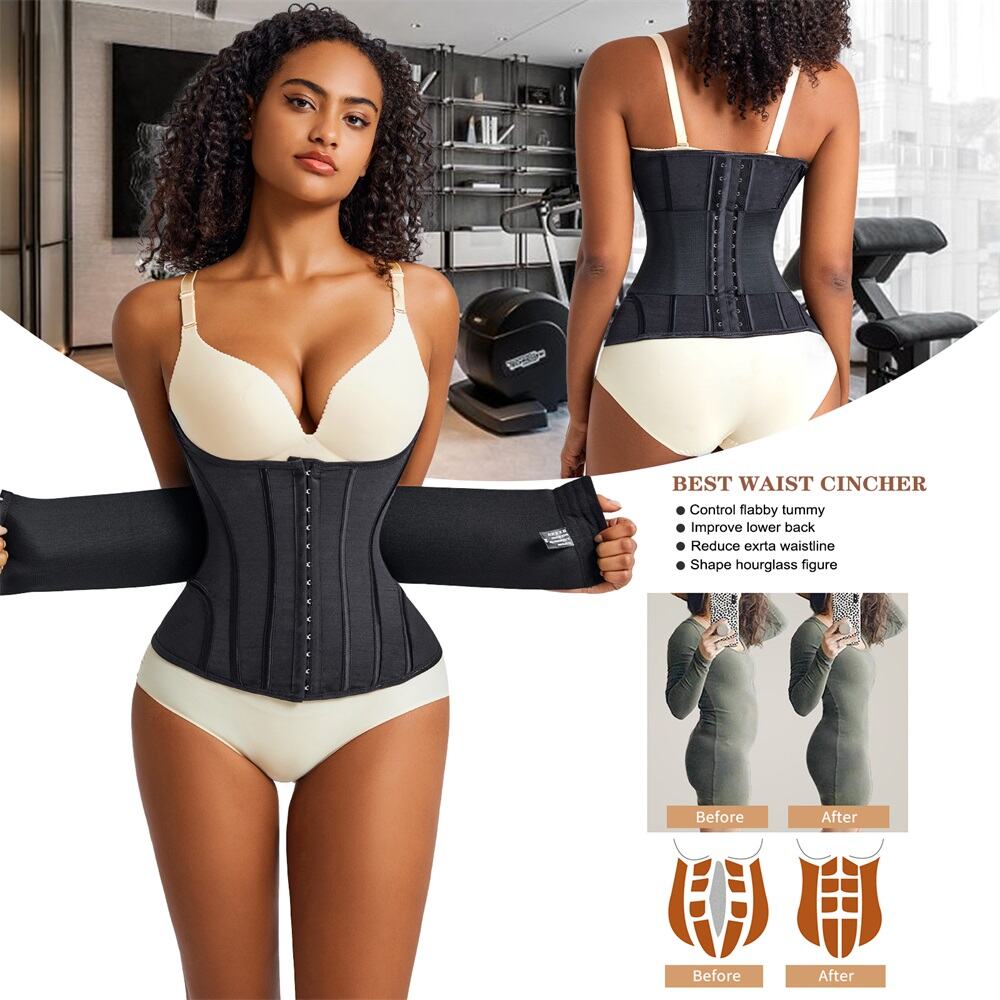
Core Structural Systems: Hook-and-Eye vs. Lacing for Adjustable Compression
Hook-and-Eye Closures: Consistent Fit and Multi-Point Torso Control
Hook-and-eye closures deliver uniform compression through parallel steel hooks&emdash;engineered to anchor at multiple points and prevent slippage during movement. With three to five hook rows, wearers achieve incremental tension adjustments that distribute pressure evenly across the ribcage and waist, minimizing skin pinching and discomfort.
Steel components retain 95% of initial tension after 100 wears (Garment Durability Institute, 2023), while reinforced eyelets resist warping under daily stress&emdash;unlike plastic alternatives. This durability supports consistent torso shaping without frequent readjustment and enhances posture stabilization through multi-tiered structural control.
Lacing Systems: Precision Tightening and Biomechanical Flexibility Limits
Laces allow for fine tuning of compression around the spine area and hips but need constant adjusting while someone is actually moving around. When laces cross over each other, they tend to create spots where pressure builds up unevenly. Research published in Ergonomics Journal back in 2023 showed that laced footwear can cut down on side to side flexibility by about a quarter. Another problem? Laces get in the way of normal rib cage expansion when we breathe, plus they limit how our vertebrae move naturally, which makes it harder to twist the torso during regular daily activities. Even though synthetic materials hold tension better than old fashioned cotton laces, pretty much every kind of lacing system still puts more restrictions on body mechanics compared to simple hook and eye closures.
Supportive Boning Architecture: Material Choice and Functional Load Distribution
Steel vs. Polymer Boning: Rigidity, Spinal Alignment, and Ribcage Adaptation
The effectiveness of waist trainers depends heavily on how they're constructed with boning materials that convert outside pressure into actual support. When it comes to materials, steel reinforced rods offer the best stiffness and help keep the spine properly aligned, which makes them great for people who need posture correction over long periods according to research from the British Chiropractic Association in 2024. These rods don't bend easily when weight is applied, so they maintain even pressure along the torso, stop sides from bulging outwards, and actually make sitting at a desk or computer less stressful on muscles and joints throughout the day.
Polymer boning, usually made from thermoplastic composites, adapts much better to the ribcage and actually bends along with normal breathing movements. According to research published in Functional Textile Studies last year, these materials cut down on uncomfortable pressure spots by around 40% when compared to traditional steel options. That makes them far more comfortable during physical activity. When choosing between materials, it really comes down to what matters most for the specific application. Some situations require the extra rigidity of metal for proper support, while others benefit greatly from the flexibility offered by polymers.
Compression Engineering: Graduated Pressure Zones and Breathable Material Science
Anatomically Targeted Compression: Waist, Lower Ribs, and Hip Contouring
Waist trainers today don't just squeeze everything equally—they work based on how our bodies are built. The waist area gets around 20 to 30 mmHg of pressure which helps target fat deposits, but near the lower ribs the pressure drops so breathing stays comfortable. For the hips, manufacturers typically design panels that apply about 10 to 15 mmHg sideways, enough to shape without leaving marks or cutting off circulation. What makes these trainers effective is that they push fat upward instead of pushing organs around, something studies in fabric mechanics have actually confirmed. Most modern designs use stretchy elastane weaves that hold their grip no matter what size someone is, making them work well across different body types from petite frames to larger builds.
Thermal Regulation & Wearability: Latex, Neoprene, and Moisture-Wicking Linings
Managing body heat matters a lot when wearing something for extended periods, particularly when moving around. Latex materials offer good support but can make skin feel warmer by about 2 to 3 degrees Celsius during exercise because they don't let air circulate well enough. That's where perforated medical grade neoprene comes in handy. These materials keep their shape nicely while cutting down on sweat buildup by roughly 40 percent compared to regular plastic options according to recent studies from Thermoregulation Research back in 2023. The best products today actually combine cotton polyester blends inside with special channel designs that pull away moisture at least three times quicker than normal lining fabrics. This helps stop bacteria from growing and keeps everything intact even after hundreds of bending movements.
Ergonomic Fit Design: Length Variants and Torso Proportionality
Good quality waist trainers aren't just random sizes thrown together. They actually come in different proportions so they fit better than those generic one size fits all models most people complain about. The adjustable straps really make a difference here since they can be tightened or loosened depending on where someone's torso measures up between small and large frames. Most brands offer three basic lengths now short, regular, and tall which helps accommodate how our bodies naturally vary from person to person. The positioning matters because nobody wants their ribs squished or breathing restricted when wearing something tight around the midsection for hours at a time. When everything lines up properly, the pressure stays even across the waist area rather than bunching up somewhere uncomfortable. This kind of thoughtful design makes all the difference for anyone serious about following proper waist training routines safely over time.
FAQ Section
What is the difference between hook-and-eye closures and lacing systems in waist trainers?
Hook-and-eye closures provide uniform compression with adjustable tension, minimizing discomfort. Lacing systems offer precise tightening but may restrict biomechanical flexibility and require frequent adjustment.
Why is steel boning preferred over polymer boning in waist trainers?
Steel boning provides rigidity and spinal alignment, ideal for posture correction. Polymer boning adapts better to the ribcage, offering flexibility and comfort during movement.
How does compression engineering enhance waist trainer effectiveness?
Compression engineering targets specific body areas, applying graduated pressure zones to shape the waist, lower ribs, and hips, while ensuring comfort and maintaining circulation.
What materials are best for thermal regulation in waist trainers?
Latex offers support but can increase skin temperature. Neoprene provides shape and reduces sweat buildup, while cotton polyester blends wick moisture effectively.
How do ergonomic fit designs improve waist trainer usability?
Ergonomic fit designs ensure proportionality, offering adjustable lengths and straps to accommodate various body sizes and maintain even pressure distribution.
Table of Contents
- Core Structural Systems: Hook-and-Eye vs. Lacing for Adjustable Compression
- Supportive Boning Architecture: Material Choice and Functional Load Distribution
- Compression Engineering: Graduated Pressure Zones and Breathable Material Science
- Ergonomic Fit Design: Length Variants and Torso Proportionality