
 EN
EN
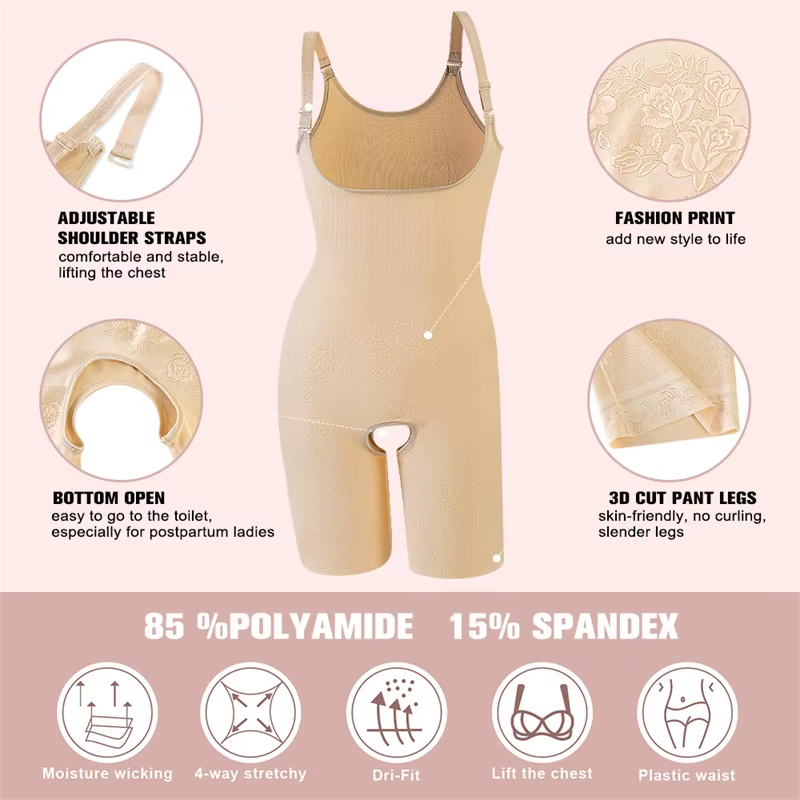
संपीड़न के तंत्र और त्वरित कमर कम करना
स्लिमिंग कमर ट्रेनर शरीर के मध्य भाग पर दबाव डालकर आकार बदलने के लिए समायोज्य पैनलों और कठोर बोनिंग सामग्री का उपयोग करते हैं, जिससे कई लोगों द्वारा चाही जाने वाली क्लासिक घड़ी की आकृति बनती है। इन कपड़ों को पहनने पर ये वास्तव में पेट के क्षेत्र और निचले पसलियों के हिस्से दोनों को संपीड़ित करते हैं, जिससे पहनने वाले को अपनी कमर लगभग 2 से 4 इंच छोटी दिखाई दे सकती है। लेकिन यहाँ एक बात ध्यान देने योग्य है – यह वसा जलाकर वास्तविक वजन घटाने का परिणाम नहीं है, बल्कि केवल भौतिक दबाव के माध्यम से अस्थायी आकार परिवर्तन है। एक बार इसे उतार लेने के बाद, सब कुछ तुरंत सामान्य हो जाता है। अधिकांश नए मॉडल अब कपड़े में विभिन्न स्तरों के संपीड़न के साथ-साथ लेटेक्स या निओप्रीन जैसी सामग्री को भी मिलाते हैं। इस संयोजन से पर्याप्त सहारा मिलता है बिना गतिविधि को पूरी तरह से प्रतिबंधित किए, जिससे लोग ऐसा पहनकर भी दैनिक गतिविधियों को आराम से कर पाते हैं।
कमर ट्रेनर का उदय: सेलिब्रिटी ट्रेंड से फिटनेस एक्सेसरी तक
कमर के ट्रेनर्स पहले सोशल मीडिया स्टार्स और लाल कालीन पर हस्तियों के दृश्यों के कारण लोकप्रिय हुए, लेकिन जब दुकानों ने उन्हें विंडो डिस्प्ले और दुकान के लेआउट में प्रमुखता से प्रदर्शित करना शुरू किया, तो उनकी लोकप्रियता वास्तव में बढ़ गई। 2024 की एक हालिया बाजार रिपोर्ट के अनुसार, लगभग आधे (लगभग 46%) ग्राहक फिटनेस उपकरण जैसे वेस्ट ट्रेनर्स को आवेगवश खरीद लेते हैं, यदि वे उन्हें चेकआउट काउंटर या ड्रेसिंग रूम के पास सुंदर ढंग से प्रदर्शित किया गया देखते हैं। जिन खुदरा विक्रेताओं ने इन आकर्षक प्रदर्शन रणनीतियों को अपनाया, उनकी बिक्री पिछले साल मात्र एक वर्ष में लगभग 30% बढ़ गई। जो शुरू में केवल एक और ट्रेंडी एक्सेसरी थी, वह अब कई लोगों के लिए ऐसी वस्तु बन गई है जिसमें वे मानते हैं कि यह वास्तव में व्यायाम के दौरान सहायता करता है, भले ही इन दावों के बारे में बेहतर प्रदर्शन के संबंध में वैज्ञानिक समर्थन कम ही है।
अस्थायी आकार देना बनाम दीर्घकालिक शारीरिक परिवर्तन
कमर के ट्रेनर तुरंत पतला दिखने का एहसास दिलाते हैं क्योंकि वे शरीर को संपीड़ित करते हैं, लेकिन सच मान लें - वे वास्तव में आपकी वसा के भंडारण के स्थान या स्थायी मांसपेशियों के निर्माण में बदलाव नहीं करेंगे। अगर कोई व्यक्ति इसे बहुत लंबे समय तक पहनता है, तो उसकी त्वचा और ऊतक दबाव के अभ्यस्त हो सकते हैं और कुछ समय के लिए उसी संपीड़ित आकार को धारण कर सकते हैं। लेकिन जैसे ही ट्रेनर उतारा जाता है? शरीर बहुत जल्दी सामान्य अवस्था में वापस आ जाता है। व्यायाम से प्राप्त वास्तविक कोर स्ट्रेंथ ऐसी मांसपेशियों का निर्माण करती है जो स्थायी रहती हैं, जबकि बाहर से दबाव डालने वाली चीज़ पर निर्भर रहना लंबे समय में उन पेट की मांसपेशियों को और कमजोर बना सकता है। अधिकांश फिटनेस विशेषज्ञ किसी को भी बताएंगे कि अगर लोगों को लंबे समय तक चलने वाले परिणाम चाहिए, तो उन्हें कमर के ट्रेनर के साथ-साथ वास्तविक व्यायाम और उचित आहार को जोड़ना चाहिए। कुछ लोग अभी भी इनकी तारीफ करते हैं, लेकिन फिटनेस के प्रति गंभीर कोई भी व्यक्ति लंबे समय तक सफलता के लिए केवल संपीड़न वस्त्रों पर निर्भर नहीं रहता।
लंबे समय तक कमर के ट्रेनर के उपयोग की सुरक्षा पर चिकित्सा दृष्टिकोण
लगातार संपीड़न के आंतरिक अंगों और श्वसन पर प्रभाव
शरीर कार्यविधि और गति चिकित्सा पत्रिका में प्रकाशित शोध, जो 2023 में प्रकाशित हुआ था, यह पाया गया कि जब कोई व्यक्ति एक कसे हुए कमर के ट्रेनर को पहनता है, यह वास्तव में डायाफ्राम की गति को लगभग 19% से 37% तक कम कर देता है। इसके बाद क्या होता है? फेफड़े सही ढंग से फैल नहीं पाते, जिससे लोग दैनिक गतिविधियों के दौरान अपने शरीर की सामान्य आवश्यकता का केवल लगभग 85% से 92% ही ले पाते हैं। और अन्य समस्याएँ भी हैं। जब ये उपकरण लंबे समय तक पेट के क्षेत्र पर दबाव डालते हैं, तो वे पेट को ऊपर की ओर धकेल देते हैं। वर्ष 2022 के एक सर्वेक्षण से पता चला कि यह समस्या लगभग 28% नियमित उपयोगकर्ताओं को प्रभावित करती है, जो एसिड रिफ्लक्स के लक्षणों का अनुभव करते हैं। इसके अतिरिक्त, पाचन प्रक्रिया भी प्रभावित हो जाती है, क्योंकि आंतों की गति उन लोगों की तुलना में लगभग 31% तक धीमी हो जाती है जो ऐसे वस्त्रों का उपयोग नहीं करते हैं।
पाचन में व्यवधान और लंबे समय तक पहनने के जोखिम
जो लोग लंबे समय तक इस प्रथा को जारी रखते हैं, उन्हें GERD होने की सामान्य दर से लगभग 2.3 गुना अधिक संभावना होती है, क्योंकि उनके पेट के क्षेत्र पर लगातार दबाव पड़ने से ग्रासनली और पेट के बीच की छोटी मांसपेशी समय के साथ कमजोर हो जाती है। जो लोग इन वस्तुओं को नियमित रूप से दिन-दिन धारण करते हैं, उनमें अन्य लोगों की तुलना में लगभग 40 प्रतिशत अधिक बार फूला हुआ पेट और कब्ज की समस्या हो जाती है, क्योंकि लंबे समय तक तंग रूप में धारण करने से बृहदान्त्र (कोलन) दब जाता है। अधिकांश पाचन संबंधी समस्याओं के विशेषज्ञ डॉक्टर भी हाल ही में इसके बारे में चेतावनी दे रहे हैं। पिछले वर्ष चिकित्सा विशेषज्ञों द्वारा प्रकाशित एक हालिया अध्ययन के अनुसार, लगभग दो-तिहाई डॉक्टर दैनिक उपयोग को संभवतः दो घंटे से कम तक सीमित रखने की सिफारिश करते हैं।
सुरक्षित उपयोग के लिए नैदानिक दिशानिर्देश और विशेषज्ञ सहमति
अंतर्राष्ट्रीय ऑर्थोपेडिक चिकित्सा सोसाइटी की सिफारिश:
| अवधि | जोखिम स्तर | अनुशंसित कार्यवाही |
|---|---|---|
| ≤2 घंटे/दिन | कम | त्वचा की संरचना पर नजर रखें |
| 2–4 घंटे/दिन | मध्यम | भोजन के दौरान उपयोग न करें |
| ≥4 घंटे/दिन | उच्च | तुरंत उपयोग बंद कर दें |
चिकित्सा पेशेवर एकमत होकर व्यायाम के साथ कमर के प्रशिक्षकों के संयोजन के खिलाफ चेतावनी देते हैं क्योंकि इससे मुख्य मांसपेशियों का अवरोध बढ़ जाता है। एक 2024 के पुनर्वास अध्ययन में दिखाया गया कि बाहरी संपीड़न पर निर्भरता वाले प्रतिभागियों के अनुप्रस्थ उदर मांसपेशी का सक्रियण 8 सप्ताह के भीतर 58% तक कम हो गया।
दीर्घकालिक स्वास्थ्य जोखिम: मांसपेशी कमजोरी, मुद्रा संबंधी समस्याएं और अंग तनाव
बाहरी सहारे पर निर्भरता के कारण मुख्य मांसपेशियों का क्षीण होना
जो लोग पूरे दिन स्लिमिंग वेस्ट ट्रेनर पहनते हैं, उनकी मुख्य मांसपेशियों के कमजोर होने की संभावना हो सकती है क्योंकि शरीर बाहरी दबाव पर निर्भर होना शुरू कर देता है और अपनी स्वयं की ताकत का उपयोग नहीं करता। स्पोर्ट्स मेडिसिन जर्नल द्वारा 2022 में प्रकाशित एक अध्ययन में इन उत्पादों को प्रतिदिन आठ घंटे से अधिक समय तक पहनने वाले लोगों के बारे में देखा गया, और छह महीने बाद एक दिलचस्प बात सामने आई: उनकी तिरछी मांसपेशियों की ताकत लगभग 14% तक कम हो गई। यह तो तर्कसंगत है। अगर हम किसी कृत्रिम चीज पर बहुत अधिक निर्भर रहेंगे जो हमें सहारा देती है, तो हमारी प्राकृतिक मांसपेशियाँ खुद-ब-खुद कम मेहनत करना बंद कर देंगी। ऐसा तब भी होता है जब कोई व्यक्ति खेल गतिविधियों के दौरान लगातार एंकल ब्रेस पहनता है। अंततः उन टखनों को सहायता के बिना स्थिर रहना भूल जाते हैं।
रीढ़ की हड्डी का गलत संरेखण और मुद्रा यांत्रिकी में बदलाव
कमर के ट्रेनर शरीर को इतनी जोर से निचोड़ते हैं कि वे वास्तव में रीढ़ को उसकी सामान्य स्थिति से बाहर धकेल देते हैं, जिससे लंबे समय तक पीठ की समस्याएं और रीढ़ की हड्डी की समस्याएं हो सकती हैं। अध्ययनों से पता चलता है कि जब लोग इन तंग कपड़ों को लंबे समय तक पहनते हैं, तो लगभग दो तिहाई लोगों में निचली रीढ़ की मुड़ने में ऐसे परिवर्तन आते हैं जैसे कि कोई व्यक्ति पूरे दिन बहुत अधिक बैठे रहने पर होता है। इस दबाव के तहत शरीर के झुकने के कारण वजन अजीब तरीके से फैल जाता है, जिससे रीढ़ के निचले हिस्से पर सामान्य खड़े होने की तुलना में लगभग 30 प्रतिशत अतिरिक्त तनाव पड़ता है, जैसा कि पिछले वर्ष बायोमैकेनिक्स संस्थान द्वारा प्रकाशित निष्कर्षों में बताया गया था।
केस अध्ययन: टाइट लेसिंग के कारण अंग क्षति और श्वसन सीमाएं
नैदानिक रिपोर्टों में दैनिक वेस्ट ट्रेनर के उपयोग से जुड़े अंगों के तनाव के कई मामले सामने आए हैं:
- गैस्ट्रिक संपीड़न उपयोगकर्ताओं में 42% में एसिड रिफ्लक्स का कारण (गैस्ट्रोएंटेरोलॉजी रिव्यू, 2023)
- प्रयास के दौरान 19%सीमित डायाफ्राम गति के कारण फेफड़ों की क्षमता में कमी
- 12+ महीने तक उपयोग करने के बाद एमआरआई स्कैन में 15% मामलों में गुर्दे का विस्थापन देखा गया
एक 2023 क्लिनिकल मेडिसिन का जर्नल टाइट-लेसिंग प्रथाओं के विश्लेषण में पाया गया कि नियमित उपयोगकर्ताओं में से 63% को दो वर्षों के भीतर कम से कम एक पुरानी स्वास्थ्य जटिलता हो गई, जिसमें 22% मामलों में प्रभाव अप्रतिवर्तनीय हो गए।
क्या स्लिमिंग वेस्ट ट्रेनर वास्तविक वजन घटाने और शरीर के आकार में बदलाव लाते हैं?
जल भार बनाम वसा घटाना: विपणन के मिथकों का खंडन
कमर को सँकरा बनाने वाले ट्रेनर के कई विज्ञापन दावा करते हैं कि इन्हें तंग करने पर वास्तव में वसा जल जाती है, लेकिन अब अधिकांश लोगों को शायद इसके बारे में बेहतर जानकारी हो चुकी है। 2022 में 'जर्नल ऑफ स्पोर्ट्स मेडिसिन' में प्रकाशित एक अध्ययन के अनुसार, लोगों द्वारा शुरूआत में खोई गई लगभग 89% चीज़ सिर्फ पानी का वजन होता है जो शरीर में अन्यत्र धकेल दिया जाता है, न कि वास्तविक वसा का स्थायी रूप से नुकसान। जब कोई व्यक्ति उन अत्यधिक तंग ट्रेनरों में से एक पहनता है, तो उसे तुरंत देखने में कमर छोटी लग सकती है—कभी-कभी लगभग दो इंच तक—क्योंकि तरल पदार्थ शरीर के अन्य हिस्सों में धकेल दिए जाते हैं। लेकिन यहाँ बात यह है कि जैसे ही वस्त्र हटाया जाता है, सब कुछ जल्दी ही सामान्य हो जाता है। वास्तविक वसा कमी समय के साथ होती है जब कैलोरी की कमी होती है, जिसे ये त्वरित उपाय बिल्कुल भी संबोधित नहीं करते हैं।
बॉडी स्कल्प्टिंग दावों के पीछे का विज्ञान: अस्थायी लाभ बनाम स्थायी परिणाम
अध्ययनों से पता चलता है कि कमर के ट्रेनर मूल रूप से केवल शरीर को यांत्रिक रूप से आकार देते हैं, जैसे मिट्टी को किसी ढांचे में दबाना, वास्तव में वसा कोशिकाओं को तोड़े बिना। छह महीने तक चले एक अध्ययन में यह दिखाया गया कि जिन लोगों ने कमर के ट्रेनर का उपयोग करना बंद कर दिया, उनकी कमर का आकार लगभग दो सप्ताह के भीतर वापस अपने मूल आकार का लगभग पूरा हिस्सा प्राप्त कर लिया, जैसा कि 2023 में एनल्स ऑफ फिजिकल थेरेपी में प्रकाशित शोध में बताया गया था। स्थायी रूप से शरीर के आकार को वास्तव में बदलने के लिए, किसी व्यक्ति को अपनी पसलियों की संरचना बदलनी होगी या विसेरल वसा कम करनी होगी, लेकिन इनमें से कोई भी चीज तब नहीं होती जब कोई व्यक्ति बस अपने बीच में कुछ कसकर पहन लेता है। केवल संपीड़न ऐसे स्थायी परिवर्तन नहीं कर सकता।
कमर के ट्रेनिंग के परिणामों में उपयोगकर्ता की अपेक्षाएं बनाम वास्तविकता
हाल के सर्वेक्षणों के अनुसार, अपना पहला कमर ट्रेनर खरीदने वाले लगभग 7 में से 10 लोगों को आशा होती है कि इससे उन्हें वह स्थायी घड़ी की तरह का आकार मिल जाएगा जिसके बारे में वे सपने देख रहे हैं। लेकिन समस्या यह है कि उन्हीं लोगों में से लगभग 7 में से 10 लोग तीन महीने के भीतर निराश हो जाते हैं (फिटनेस कंज्यूमर रिपोर्ट 2023)। कुछ लोग पार्टियों या विशेष अवसरों पर अपने कपड़ों के बेहतर फिट होने का ध्यान देते हैं, जो समझने योग्य है क्योंकि ये उत्पाद कमर के आसपास के क्षेत्र को संपीड़ित करके काम करते हैं। हालाँकि डॉक्टर लगातार सभी को याद दिलाते रहते हैं कि वास्तविक दीर्घकालिक परिणामों के लिए नियमित व्यायाम और उचित खान-पान की आदतों का कोई विकल्प नहीं है। अधिकांश उपयोगकर्ताओं को यह एहसास नहीं होता कि जो वे देख रहे हैं वह वास्तविक शारीरिक परिवर्तन नहीं है, बल्कि केवल मृदु ऊतकों पर दबाव का प्रभाव है। उस सारे कपड़े के नीचे शरीर वास्तव में ज्यादा बदलता नहीं है।
कमर ट्रेनर से कौन बचना चाहिए? चिकित्सा मनाही और पेशेवर सलाह
उच्च जोखिम वाले समूह: गर्भावस्था, पाचन विकार और श्वसन संबंधी स्थितियाँ
कमर को कम करने के उद्देश्य से उपयोग किए जाने वाले वेस्ट ट्रेनर्स वास्तव में गर्भवती महिलाओं, आंत्र प्रणाली से जुड़ी लगातार समस्याओं जैसे आईबीएस या अम्लप्रतिसार की समस्या से झूझ रहे लोगों, और अस्थमा या सीओपीडी से पीड़ित किसी भी व्यक्ति सहित कई समूहों के लिए गंभीर स्वास्थ्य जोखिम लेकर आते हैं। 2022 में क्लिनिकल बायोमैकेनिक्स में प्रकाशित एक अध्ययन के अनुसार, लंबे समय तक इन्हें पहनने से तंग संपीड़न के कारण डायाफ्राम की गति लगभग 15 से 20 प्रतिशत तक कम हो सकती है। इससे फेफड़ों की समस्या से पहले से ही जूझ रहे लोगों के लिए सांस लेना और भी मुश्किल हो जाता है। पेट से जुड़े मुद्दों के विशेषज्ञ चिकित्सकों ने भी चिंता व्यक्त की है, जिसमें उन्होंने बताया है कि पेट के क्षेत्र पर अत्यधिक दबाव जीईआरडी लक्छनों को बढ़ा सकता है और पाचन क्रिया को धीमा भी कर सकता है। गर्भवती महिलाओं को ऐसे उत्पादों से पूरी तरह दूर रहना चाहिए क्योंकि पेट पर दबाव डालने से भ्रूण के विकास के क्षेत्र में रक्त प्रवाह सीमित हो सकता है। अमेरिकन कॉलेज ऑफ ऑब्सटेट्रिशियन्स की दिशानिर्देशों के अनुसार, गर्भावस्था के दौरान पेट को संपीड़ित करने वाले कुछ भी पहनने के बारे में सोच रही महिलाओं को प्रसवपूर्व फिटनेस में प्रमाणित किसी व्यक्ति से पहले परामर्श करना चाहिए।
डॉक्टर बाजार में लोकप्रियता के बावजूद दैनिक उपयोग का विरोध क्यों करते हैं
चिकित्सा पेशेवर तीन सबूत-आधारित चिंताओं के कारण लगातार कमर के ट्रेनर के दैनिक उपयोग के खिलाफ सलाह देते हैं:
- प्रगतिशील मूल कमजोरी – बाहरी सहारे पर निर्भरता प्राकृतिक मुद्रा की तुलना में पेट की मांसपेशियों के 30% तेजी से क्षीण होने का कारण बनती है (जर्नल ऑफ स्पोर्ट्स मेडिसिन 2023)
- अंग विस्थापन के जोखिम – एमआरआई अध्ययनों में तंग कसकर बांधने वाले 68% मामलों में यकृत संपीड़न और आंतों की स्थिति में परिवर्तन दिखाया गया है
- गलत वजन घटाने के दावे – कोई भी समीक्षा-अनुमोदित अध्ययन स्थायी वसा कमी की पुष्टि नहीं करता, केवल अस्थायी जल नुकसान की
ये जोखिम 'मेडिकल-ग्रेड' उपकरणों के साथ भी बने रहते हैं, जिसके कारण अपने अभ्यास दिशानिर्देशों में शारीरिक आकृति के लिए 92% फिजियोथेरेपिस्ट कमर के ट्रेनर की तुलना में ताकत प्रशिक्षण की सिफारिश करते हैं।
सामान्य प्रश्न
लंबे समय तक वजन घटाने के लिए कमर के ट्रेनर प्रभावी हैं?
नहीं, कमर प्रशिक्षक दीर्घकालिक वजन घटाने का परिणाम नहीं होते। वे संपीड़न के माध्यम से अस्थायी रूप से आकार बदलते हैं, वास्तविक वसा कमी नहीं।
क्या कमर प्रशिक्षक पहनने से मुझे स्थायी रूप से घड़ी के आकार की आकृति प्राप्त करने में मदद मिल सकती है?
कमर प्रशिक्षक अस्थायी रूप से घड़ी के आकार की आकृति की छवि दे सकते हैं, लेकिन शरीर के आकार में स्थायी परिवर्तन का परिणाम नहीं होते।
नियमित रूप से कमर प्रशिक्षक के उपयोग से जुड़े स्वास्थ्य जोखिम क्या हैं?
कमर प्रशिक्षक के नियमित उपयोग से मूल मांसपेशियों की कमजोरी, अंगों के विस्थापन और श्वसन संबंधी समस्याएं सहित अन्य स्वास्थ्य जोखिम हो सकते हैं।
किन लोगों को कमर प्रशिक्षक पहनने से बचना चाहिए?
गर्भवती महिलाओं, पाचन विकार वाले व्यक्तियों और श्वसन संबंधी स्थिति वाले लोगों को कमर प्रशिक्षक का उपयोग नहीं करना चाहिए।
विषय सूची
- संपीड़न के तंत्र और त्वरित कमर कम करना
- कमर ट्रेनर का उदय: सेलिब्रिटी ट्रेंड से फिटनेस एक्सेसरी तक
- अस्थायी आकार देना बनाम दीर्घकालिक शारीरिक परिवर्तन
- लंबे समय तक कमर के ट्रेनर के उपयोग की सुरक्षा पर चिकित्सा दृष्टिकोण
- दीर्घकालिक स्वास्थ्य जोखिम: मांसपेशी कमजोरी, मुद्रा संबंधी समस्याएं और अंग तनाव
- क्या स्लिमिंग वेस्ट ट्रेनर वास्तविक वजन घटाने और शरीर के आकार में बदलाव लाते हैं?
- कमर ट्रेनर से कौन बचना चाहिए? चिकित्सा मनाही और पेशेवर सलाह
- सामान्य प्रश्न