
 EN
EN
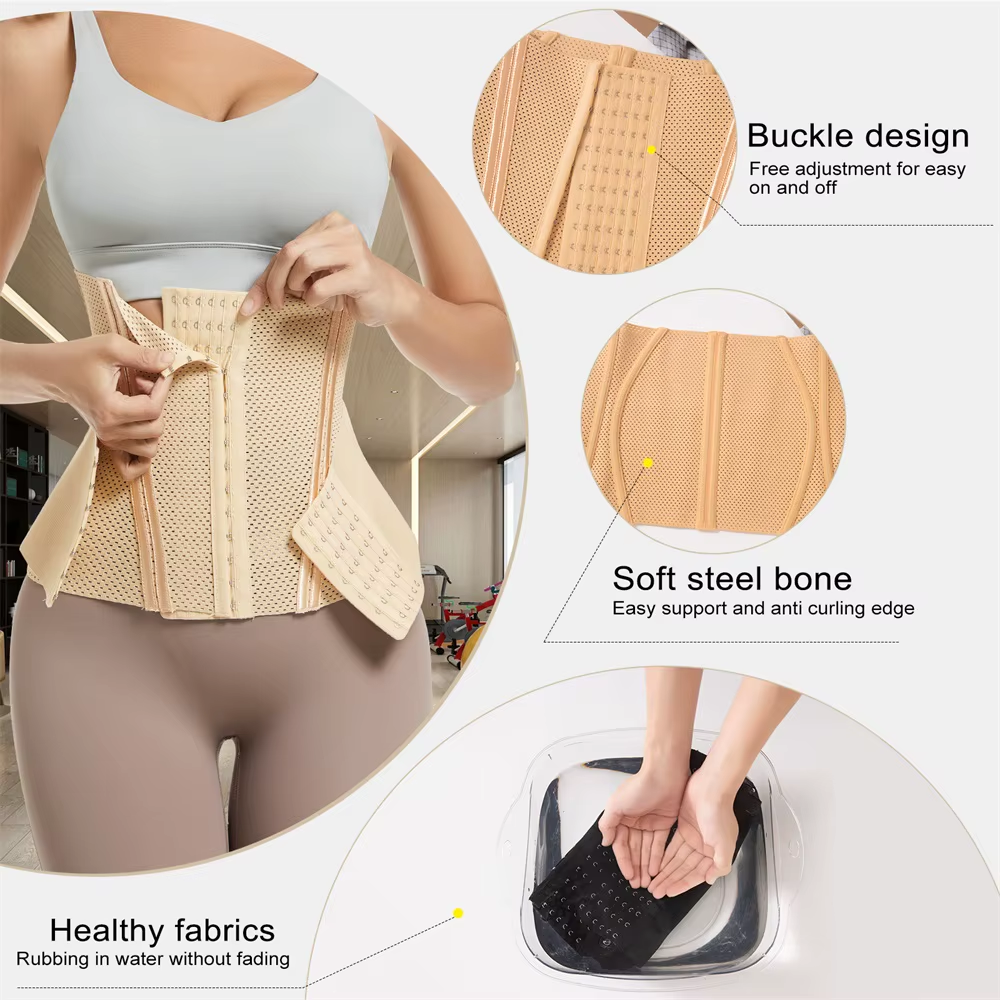
How Does a Waist Trainer Work? Understanding Compression and Immediate Effects
What Is a Waist Trainer and How It Functions as a Compression Garment
Waist trainers are basically tight-fitting clothes made from stiff stuff like steel bones, latex, or heavy duty fabric that pushes against the middle part of the body. When worn, they squeeze the area and create that instantly thinner look by squishing the torso together, kind of like how compression wraps help support sore joints. These aren't your grandma's corsets though. Today's versions don't actually change bone structures but work by moving around softer tissues under the skin. People who try them often notice their waist looks about 2 to 4 inches smaller while wearing one, though results really depend on how well it fits and what someone's body is like naturally.
The Role of Tight-Fitting Corsets in Altering Body Appearance Temporarily
Waist training works mainly in two ways. First, it compresses the fat just under the skin horizontally. Second, it pushes the stuff inside the belly area around vertically, moving organs and internal fat both up towards the ribs and down towards the hips. The result is that hourglass shape many people desire. These devices work somewhat like sports compression wear but they're made for looking good instead of helping someone recover from an injury. When someone takes off their trainer, all those changes disappear pretty quickly. Some folks do notice better posture for a little while after wearing one because their spine gets aligned differently during use.
Compression and Its Impact on Waist Silhouette
The immediate visual transformation results from three interrelated factors:
| Factor | Effect Duration | Mechanism |
|---|---|---|
| Tissue compression | 0–4 hours post-removal | Elastic rebound of fat cells |
| Fluid displacement | 2–6 hours | Lymphatic drainage normalization |
| Postural adaptation | Up to 24 hours | Muscle memory from constrained movement |
Consistent use can condition skin and connective tissue to resist expansion temporarily, but it does not reduce fat cell count or permanently alter rib positioning for most individuals. The smoothed silhouette is a result of controlled tissue redistribution, not structural change.
Temporary vs. Long-Term Waist Shaping: What Changes Are Possible?
Understanding how a waist trainer works requires distinguishing between its immediate cosmetic effects and biologically limited long-term outcomes. These garments reshape the waist through mechanical compression, offering a temporary hourglass illusion without altering underlying anatomy.
Short-Term Visual Effects of Waist Training Explained
Wearing a waist trainer typically reduces waist circumference by 1.5–3 inches instantly, achieved through compression of subcutaneous fat and internal organs. This effect provides a sleeker profile ideal for form-fitting clothing or post-pregnancy support. However, the change is fleeting, reversing within hours after removal.
Can Waist Trainers Create Permanent Results? Examining Tissue Adaptation
There's actually no solid scientific backing for claims that waist training leads to permanent waist size reduction. Some people report feeling better about their posture after wearing corsets or shapewear every day for several months, probably because muscles adapt over time. But when they stop compressing their bodies, those ribs tend to pop back out and all that belly fat returns to where it was before. A study published last year looked at what happens to people's skeletons after a whole year of regular waist trainer use. Guess what? For most folks (around 92%), nothing really changed permanently in their bone structure. The body just goes back to normal once the pressure is off.
Myth vs. Reality: Do Waist Trainers Reshape Your Body Structure?
Contrary to popular claims, waist trainers cannot:
- Alter adult ribcage structure
- Reduce visceral fat via compression
- Permanently reposition or "train" fat cells
True body contouring requires sustained fat loss through diet and exercise or surgical intervention. Compression garments mask anatomical features rather than reshape them.
The Science Behind Rib Adaptation and Posture in Waist Training
Floating Ribs and Their Response to Prolonged Compression
The bottom floating ribs, numbers 11 and 12, don't attach to the front of the chest bone like the higher ribs do, which makes them naturally more bendy. When someone wears a waist trainer regularly, the constant pressure can slowly push these lower ribs inward somewhere between one to two centimeters after wearing them every day for around six to twelve months. While this shift gives the torso a slimmer look from the outside, it doesn't actually change how dense the bones are or cause any lasting changes to the skeleton itself. Most people won't notice anything wrong with their bones during routine checkups either.
How Improved Posture Enhances the Hourglass Illusion
When someone wears a waist trainer, it tends to pull in the stomach area while pushing the shoulders back into position. This creates a posture where the middle part of the spine gets straighter, the chest lifts slightly, and the hips tilt forward just enough to make the waist look smaller compared to the hips. The body ends up looking something like an hourglass shape, but this effect doesn't last once the garment is taken off. Research on how our bodies move confirms what most people already know from experience - the changes are temporary and disappear pretty quickly when the pressure isn't there anymore.
Case Insights: Observed Changes in Long-Term Users
A 12-month observational study of 150 daily users revealed:
- 68% experienced ≥1.5” waist reduction while wearing the garment
- 22% maintained ≥0.5” reduction when measured without support
- 0% showed detectable ribcage changes on X-ray imaging
These findings reinforce that waist trainers work primarily through temporary tissue compression, not permanent anatomical remodeling.
Waist Trainers and Body Contouring: Fat Reduction Claims vs. Reality
Do Waist Trainers Burn Fat or Only Compress Tissue?
Waist trainers work mainly by squeezing the body, not by burning fat. They don't actually reduce fat stores like proper diet and exercise do, which target those fat cells directly. Instead, these tight wraps just push around the fat under the skin and even shift some internal organs for that hourglass effect. Recent studies from last year showed something interesting too. When people wear them, their waists shrink about 2 to 3 inches right away, but there's basically zero difference in how much fat they have stored or in their metabolism rates. So while it looks good on paper, the real results aren't so impressive when we dig deeper.
Thermogenic Effects and Sweat vs. Actual Fat Loss
Waist trainers can cause some sweating which might result in losing around half a pound to maybe 1.5 pounds temporarily, though most people gain that back pretty fast once they drink fluids again. The idea that these things actually burn fat through heat generated by materials like latex or neoprene? Not really supported by science. A study done in 2021 looked at this for 12 whole weeks and what did they find? No real difference in belly fat reduction between folks wearing those thermal waist wraps compared to people who didn't wear anything special at all during the same period.
| Method | Fat Loss Mechanism? | Duration of Results |
|---|---|---|
| Waist Trainer | No | Hours to 1 day |
| Caloric Deficit | Yes | Sustained with effort |
| Strength Training | Yes | Months to years |
Experts warn that prolonged use may weaken core muscles over time, potentially undermining natural postural support.
Practical Use and Popularity: Who Uses Waist Trainers and Why?
Benefits of Waist Trainers for Achieving an Hourglass Figure
Waist trainers basically squeeze the middle area and push things around to give that hourglass look right away. The rigid support inside helps people stand straighter and keeps the body aligned properly, making the waist look smaller than it actually is. That quick visual effect is probably why so many folks in the fashion and fitness worlds grab one before heading out for parties or photo sessions. Some stats even show around 63 percent of these regular users depend on their waist trainer whenever they need to look good fast.
Trend Analysis: Rise of Waist Training in Fitness and Postpartum Recovery
Demand for waist trainers jumped around 30% from 2022 to 2024 mainly because more people are using them after childbirth and during intense workouts. A recent Statistics Canada study found that nearly half (about 46%) of those into fitness think these garments actually help their workouts since they engage the core muscles better. Many women who have recently given birth wear waist trainers alongside pelvic floor exercises as part of managing diastasis recti issues. However doctors and other healthcare providers keep reminding everyone that getting proper medical guidance is really important when incorporating these products into recovery routines.
Expected Timeline for Visible Results With Consistent Use
Most people start wearing these things around 6 to 8 hours each day, and after about three or four weeks some folks notice better posture and maybe even some changes in how their muscles remember positions. But getting rid of belly fat for good? That really varies from person to person depending on things like overall body fat levels and how flexible someone's bones are naturally. The companies making waist trainers usually suggest combining them with actual workouts that strengthen the core area. After all, squeezing tight won't actually change where the bones are positioned or magically melt away those deeper layers of fat that sit right below the skin.
FAQ
Do waist trainers cause permanent changes in body shape?
No, waist trainers temporarily compress and redistribute tissue but do not cause permanent anatomical changes.
Can waist trainers help with fat loss?
Waist trainers do not burn fat; proper diet and exercise are necessary for sustained fat reduction.
Are there any risks to using waist trainers?
Prolonged use may weaken core muscles and affect posture; it's advisable to consult a healthcare professional before regular use.
How long do the effects of wearing a waist trainer last?
The effects are temporary, usually lasting hours after removal, as the body returns to its natural state.
Table of Contents
- How Does a Waist Trainer Work? Understanding Compression and Immediate Effects
- Temporary vs. Long-Term Waist Shaping: What Changes Are Possible?
- The Science Behind Rib Adaptation and Posture in Waist Training
- Waist Trainers and Body Contouring: Fat Reduction Claims vs. Reality
- Practical Use and Popularity: Who Uses Waist Trainers and Why?
- FAQ