
 EN
EN
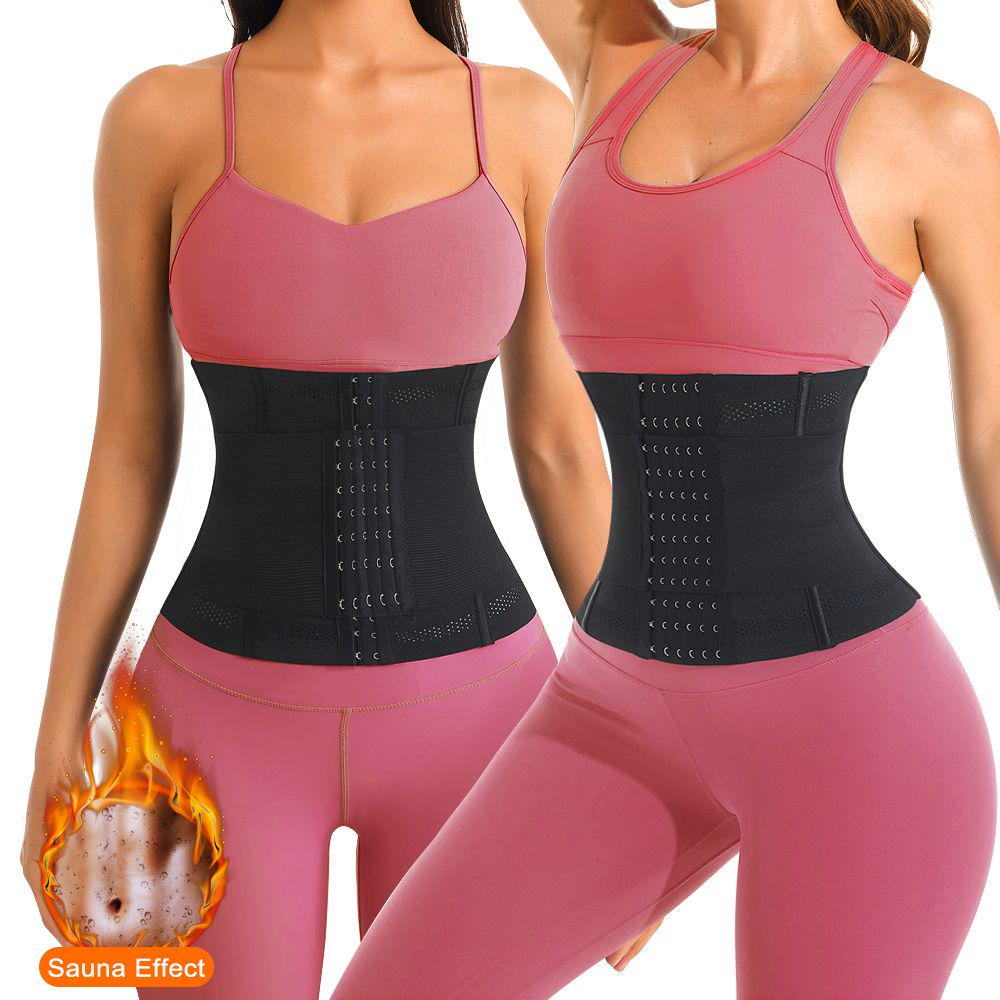
What Is a Waist Trainer? Answering Your Questions on Function, Mechanism, and Common Myths
What is a waist trainer? Features, mechanics of temporary compression, and use cases
A waist trainer is a tightly fitting, structured garment often made from latex, neoprene, or spandex synthetics, with vertical boning incorporated for structure. They compress the rib cage and displace soft tissues, providing the wearer with an instant hourglass shape. The aesthetics of this hourglass shape are temporary, and the waist trainer provides no clinical evidence for fat loss, permanent decrease in the waist measurement, or metabolic enhancement. Because the compression works by reducing the body's ability to regulate internal temperature and its ability to breathe, those who wear waist trainers should increase their water intake and monitor the skin for irritation. These trainers are intended for temporary use under clothing, providing smoothing or support for light activity. They are not intended for medical or body transformation use.
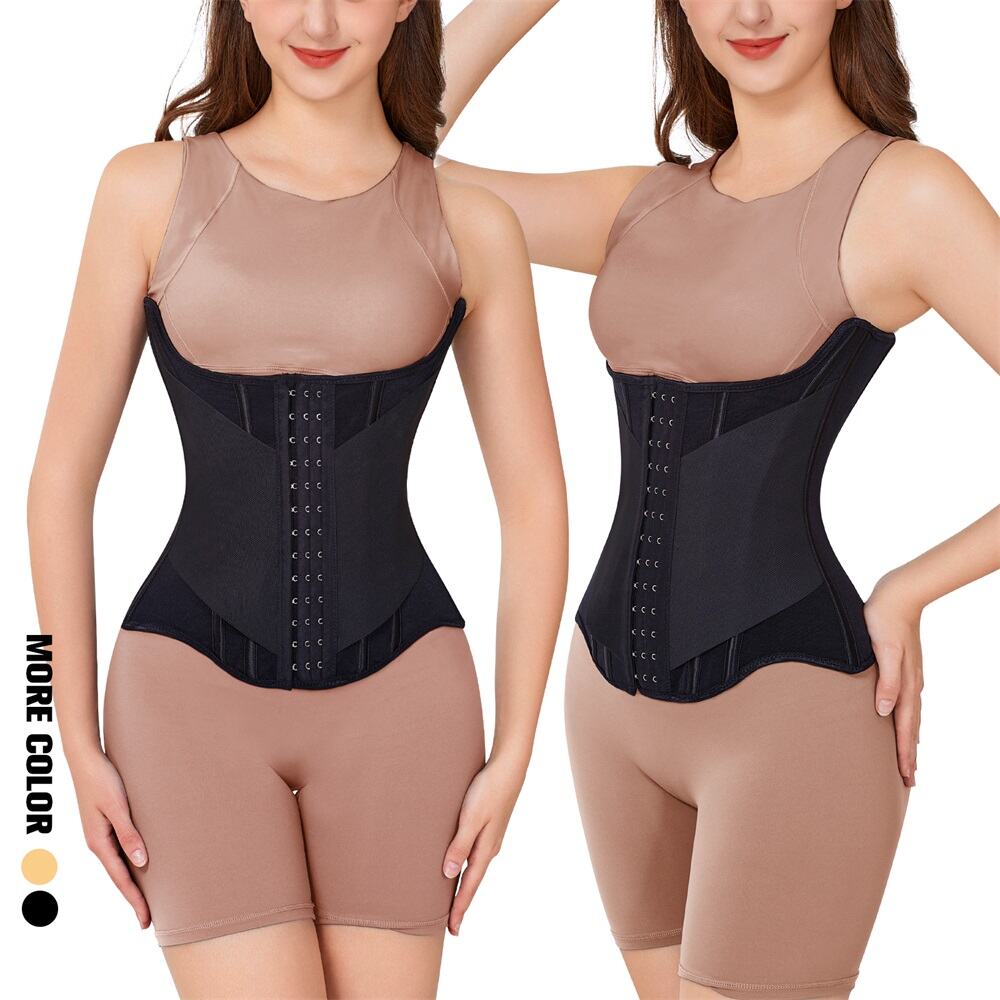
Waist trainer vs. corset vs. shapewear: Structural design, support level and safety concerns.
The terms waist trainer, corset and shapewear are often interchangeable, but they do entail important distinctions in areas of construction, function and risk. Waist trainers are mostly elastic garments with moderate, adjustable compression (secured sometimes with Velcro, more often with rows of hook-and-eye closures) that allow for flexible construction and are made to be worn for a short period of time. The traditional corset employs a method of rigid steel boning and tight lacing. While corsets were used to train the waist, they do pose a risk by altering the position of the diaphagm and can affect organ positioning if used incorrectly. Unlike corsets, shapewear is made to smooth body contours, and has light-to-medium compression. Unlike shapewear, corsets employ design features that do carry safety and position risks. Shapewear and corsets are less supportive than waist trainers. Waist trainers are more restrictive than shapewear but less restrictive than corsets. corsets, while used traditionally to compel the body to achieve an ideal form, do not alter and hence, define the boundaries of body form.
Waist Trainers: Risks of Use and Pain Management
Physical risks: Restriction in breathing and digestion, pressure on organs, and skeletal pain
A majority of the available research identifies dangers that waist trainers pose to the organs, systems, and tissues of the thoracic and abdominal cavities. The pressure waist trainers exert on bodily cavities negatively influences the lungs’ ability to move down and up, creating shallow breaths—especially dangerous when engaged in activities. Restriction of the intestines and organs may push the intestines and stomach to the thoracic cavity, causing delayed emptying and bloating. Pressure on the liver and kidneys may harden and affect circulation and function. Supporting the trunk with waist trainers causes the trunk muscles to atrophy, increasing back pain and instability. Waist trainers can bruise the ribs, impede circulation, and irritate the skin.
Expert guidance for physiatrists and sports doctors regarding safe use limits
According to sports medicine practitioners, waist trainers will not contribute to health and fitness in the long run and should never take the place of evidence-based practices such as strength training and dietary guidance. The general recommendation is to limit use to one to two hours per session and leave at least 24 hours between sessions. New users should start with 30 to 60 minutes. If there is no discomfort, they may increase the use time. Waist trainers should allow for full expansion of the rib cage. Users should listen for breathlessness and look for numbness, tingling, or skin indentations. These all indicate too much compression is being applied, and the waist trainer should be removed. Sports medicine physiatrists also advise that “proper” use of a waist trainer will not provide foundation, core, or trunk support. Waist trainers will instead promote an innate reliance upon auxiliary support and will also capture the musculature to a passive and unsupported state.
Safety and comfort while waist training
Latex offers firm and consistent compression, but can irritate sensitive and post-acne skin. Neoprene is long lasting, therapeutic, and burn resistant, but offers limited breathability. Cotton-blend offers skin compatibility and minimization of irritations and danger of moisture build up, but can offer limited, and therefore, rapidly degraded compression.
Breathable mesh maximizes ventilation while minimizing the build-up of heat, so it is especially useful in warm surroundings or longer wear periods. It is supportive and comfortable but does not retain or collect sweat.
Material Durability Heat Retention Skin Safety Risk
Latex Medium High Medium-High
Neoprene High High Medium
Cotton-blend Medium Lowe Lowe
Breathable Mesh Medium Very Low Low
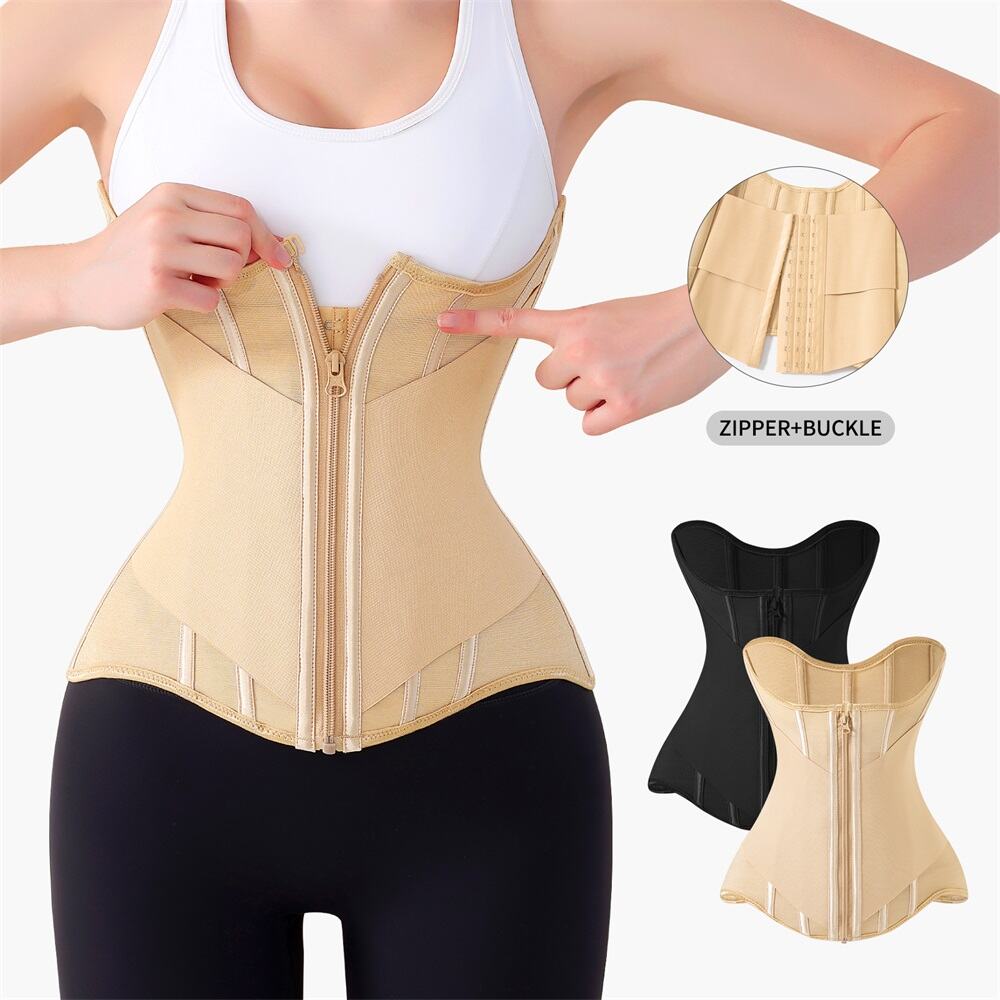
Anatomy, goals, and safety bounds are considered and reflected in the underbust and overbust and flexible-corset styles.
The ability of a design to function safely is defined by the scope of the design.
Underbust
Ends just below the bust line and focuses compression on the natural waist. Preserves the ribcage and diaphragm. The easiest to conceal and the least likely to interfere with respiration.
Overbust
Provides torso stabilization and support with a posture aiding function for the upper abdomen and lower bust. It can be easy to size, but too little space across the under- and overbust sections can cause the wearer to experience respiratory and chest pain.
Flexible-corset
Uses a sort of combination of pieces to create a support and control structure that is able to be adjusted and is safe. It allows for movement but the structure and support can be undone and a corseting structure can return.
Proper Sizing and Gradual Wear Protocol
Sizing protocols, step-by-step: measuring, selecting desired compression level (this is NOT the tightest fit), and identifying compromise discomfort
Size by measuring the natural waist, the smallest spot between the ribs and hips. The waist is measured while standing, relaxed, not sucking breath. Also, measure the maximum hip circumference. Use both of these measurements with the company's size chart, NOT with regular clothing sizes, since waist trainer sizing is precise. Choose the size that provides firm, focused, and even rapid pressure that does not pinch, roll, or indent the skin. A waist trainer should allow full deep breathing, and allow you to sit and move effortlessly. Symptoms that require you to immediately stop use are sharp pain and numbness, and these are accompanied with dizziness, difficulty breathing, and chronic redness.The first time you use a waist trainer, do no more than a 1 to 2 hour daily sessions, and over the course of a week or more, increase the time you use it by no more than 30 minutes every 3 to 4 days. This method slowly teaches your body to the waist trainer and uses less than its maximum tissue elastic limit, which makes the trainer safer and makes the method more sustainable and user friendly.
FAQs: Waist Trainers
Can a waist trainer help with weight loss?
Because waist trainers do not assist the body with weight loss, a waist trainer only temporarily assists the body to appear slimmer. Fat will not be burned, metabolic shifts will not happen, and waist size will not be impacted in a permanent manner.
How long should a waist trainer be worn daily?
Based on the research, waist trainers should not be used for more than 1 to 2 hours in a single session, and should be used no less than once every 24 hour period. Prolonged use or more than occasional use should be avoided to reduce risk of injury.
Are waist trainers safe for workouts?
Waist trainers should definitely not be worn for intense workouts. They make it much harder to breathe as well as fully engage your core, which can lead to injuries and other issues.
What materials are best for a waist trainer?
When it comes to waist trainers, it's often a matter of personal preference. For firm compression, you can go for latex or neoprene. For breathability, a cotton-blend is recommended, and when it comes to best ventilation, go for a mesh waist trainer.
Can waist trainers permanently change body shape?
Temporary shape changes can be accomplished through the use of waist trainers, but they are not capable of changing one’s anatomy permanently. Changes that are long-term (and more effective) are a balanced diet, more exercise and healthier habits.