
 EN
EN
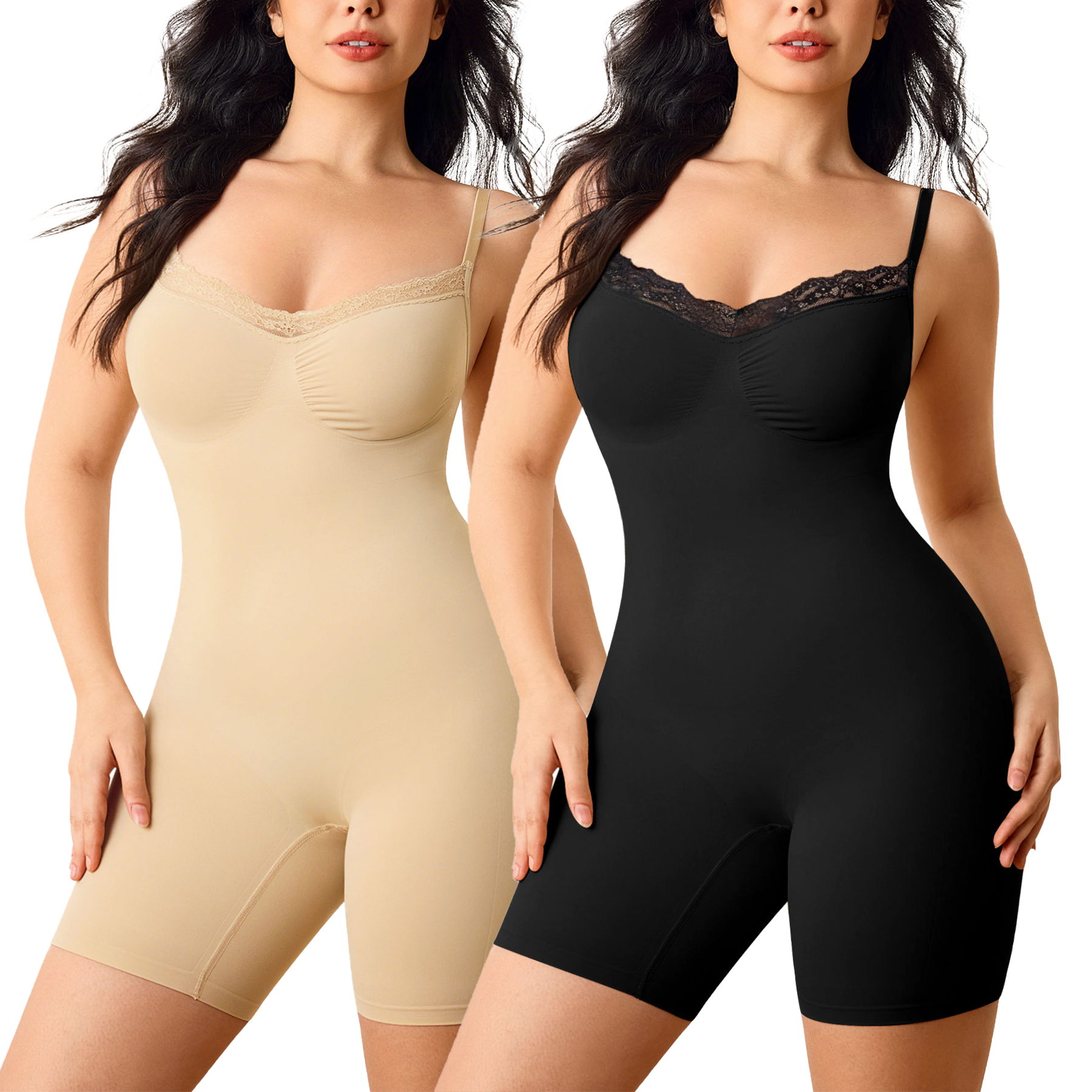
Match Shapewear Style to Your Body Shape and Goal
Identify Your Primary Body Shape: Pear, Apple, Hourglass, or Rectangle
Getting to know one's body shape makes all the difference when picking out good quality shapewear. Most women can identify with one of these basic body types generally speaking. There's the pear shaped figure where hips are wider than shoulders, then we have the apple type with a fuller middle section. Hourglass shapes tend to have balanced bust and hips but with a clearly defined waist area. And finally there's the rectangle shape which doesn't really show much waist definition at all. Different body structures need different kinds of support. Those with apple shaped bodies usually want extra tummy control, whereas hourglass figures look for something that enhances their natural curves. According to recent studies published in Textile Science Journal back in 2023, about two thirds of people get better results from shapewear when it matches their actual body proportions rather than just going by standard sizing guides. Don't rely too heavily on those size charts though. Pay attention to what parts stand out most on your own frame and build choices around those areas.
Align Style Type (Bodysuit, High-Waisted Shorts, Waist Cincher) With Intended Use
Different shapewear styles serve distinct functional purposes. Bodysuits excel at full-torso smoothing under dresses, high-waisted shorts prevent thigh bulge with skirts or pants, and waist cinchers deliver dramatic contouring for special occasions—but are less suited for daily wear. Consider these purpose-driven pairings:
| Body Goal | Optimal Style | Wear Duration |
|---|---|---|
| Full abdominal control | High-compression bodysuit | ₀4 hours (events) |
| Thigh smoothing | Seamless shorts | All-day capability |
| Waist definition | Adjustable cincher | Short-term wear |
Postpartum users often prefer medical-grade compression shorts for core support, whereas office settings benefit from light-control camisoles. Always prioritize garments that address your specific concern areas without compromising mobility.
Choose the Right Compression Level for Comfort and Results
Selecting the optimal compression level ensures both comfort and effectiveness. Compression intensity is measured in millimeters of mercury (mmHg), with lower levels offering subtle support and higher levels delivering pronounced sculpting. Matching this to your needs prevents discomfort while achieving desired shaping.
Level 1–2: Light Smoothing for Daily Wear and Breathability
Light compression (8–15 mmHg) gently smooths lines without restricting movement. Ideal for all-day wear, it provides breathable fabric integration to reduce overheating, minimal pressure for comfort during work or errands, and subtle contouring under everyday clothing. This level suits first-time wearers or those prioritizing comfort over dramatic shaping.
Level 3–4: Targeted Sculpting for Special Occasions or Postpartum Support
Firm compression (15–20 mmHg) offers structured sculpting for special events requiring seamless silhouette definition, postpartum abdominal support during recovery, and targeted waist cinching or thigh shaping. Choose these levels for short-term wear where maximum control outweighs flexibility needs.
| Feature | Light Compression (1–2) | Targeted Sculpting (3–4) |
|---|---|---|
| Pressure | 8–15 mmHg | 15–20 mmHg |
| Best For | Daily wear | Events/postpartum |
| Wear Duration | All-day comfort | Shorter periods |
| Key Benefit | Breathability | Dramatic contouring |
Prioritize Fabric Integrity and Construction Quality
Elastane Content, Seam Bonding, and Stretch Recovery as Durability Indicators
Getting the right amount of elastane in shapewear matters a lot. Around 15 to 25 percent works best for keeping compression consistent without losing shape over time, which is what keeps those clothes looking good even after multiple wears. The bonded seams really make a difference too. They stop the fabric from rolling or digging into skin, and they last about twice as long as regular stitched seams according to some tests on fabric strength. When shopping, look for items that hold at least 95 percent of their original size after stretching. Clothes that don't bounce back properly tend to wear out faster, so this little detail actually affects how long the garment will stay functional.
Polyamide vs. Cotton Blends: Balancing Matte Finish, Breathability, and Shine Control
Polyamide really stands out when it comes to wicking away moisture and keeping its shape, which makes it great for those seamless layers underneath tight fitting clothes. Cotton blends work well too, especially if someone has sensitive skin, as long as the cotton content stays below around 20%. These blends let air circulate better than pure synthetics, though they don't last quite as long. When looking at finishes, matte woven polyamide beats satin versions for avoiding that shiny look people often want to avoid. And cotton's natural fibers actually help prevent overheating when wearing something for hours on end. Getting the right mix depends on how long someone plans to be active and what kind of weather conditions they'll face, something pretty important for staying comfortable throughout the day.
Avoid Fit Failures: Sizing, Waistband Design, and Gusset Functionality
Getting comfortable in shapewear begins with finding the right size. Regular clothes can be forgiving, but compression wear needs accurate measurements taken with a soft measuring tape. Focus on how your hips compare to your waist instead of relying on dress sizes. Most people struggle with waistbands that don't fit properly, which accounts for around three quarters of all fit problems. The issue usually comes down to where the waistband sits or if it loses its stretch over time. Look for contoured waistbands that apply pressure gradually across the stomach area, these tend to stay put better and won't dig into skin. Flatlock stitching makes a big difference too since it reduces friction against sensitive areas. When shopping for something to wear all day, pay special attention to the gusset part at the bottom. Cotton lining here keeps things breathable, and some designs have clever little openings that make bathroom breaks easier without having to take off the whole garment. Don't forget to try sitting down and bending over while trying on different styles. If you feel restricted doing basic movements, chances are good the piece just isn't going to work for daily wear.
FAQ
What body shapes does shapewear cater to?
Shapewear can cater to various body shapes including pear, apple, hourglass, and rectangle. Each shape has different shapewear needs that should match specific body structures.
What's the best shapewear style for daily wear?
For daily wear, light-compression shapewear such as seamless shorts is ideal as it provides comfort and breathability while gently smoothing any lines.
How do I determine the right compression level in shapewear?
The compression level depends on your desired results. Light compression (8–15 mmHg) is best for everyday use, while firmer levels (15–20 mmHg) are suited for special events or postpartum support.
What materials should I look for in durable shapewear?
Look for shapewear with a significant elastane content (15-25%), durable seam bonding, and good stretch recovery for longevity. Polyamide blends are great for moisture-wicking and shape retention.
How important is sizing in shapewear?
Accurate sizing is crucial in shapewear for optimal comfort and effectiveness. Use a soft measuring tape to focus on waist and hip measurements instead of relying solely on dress sizes.