
 EN
EN
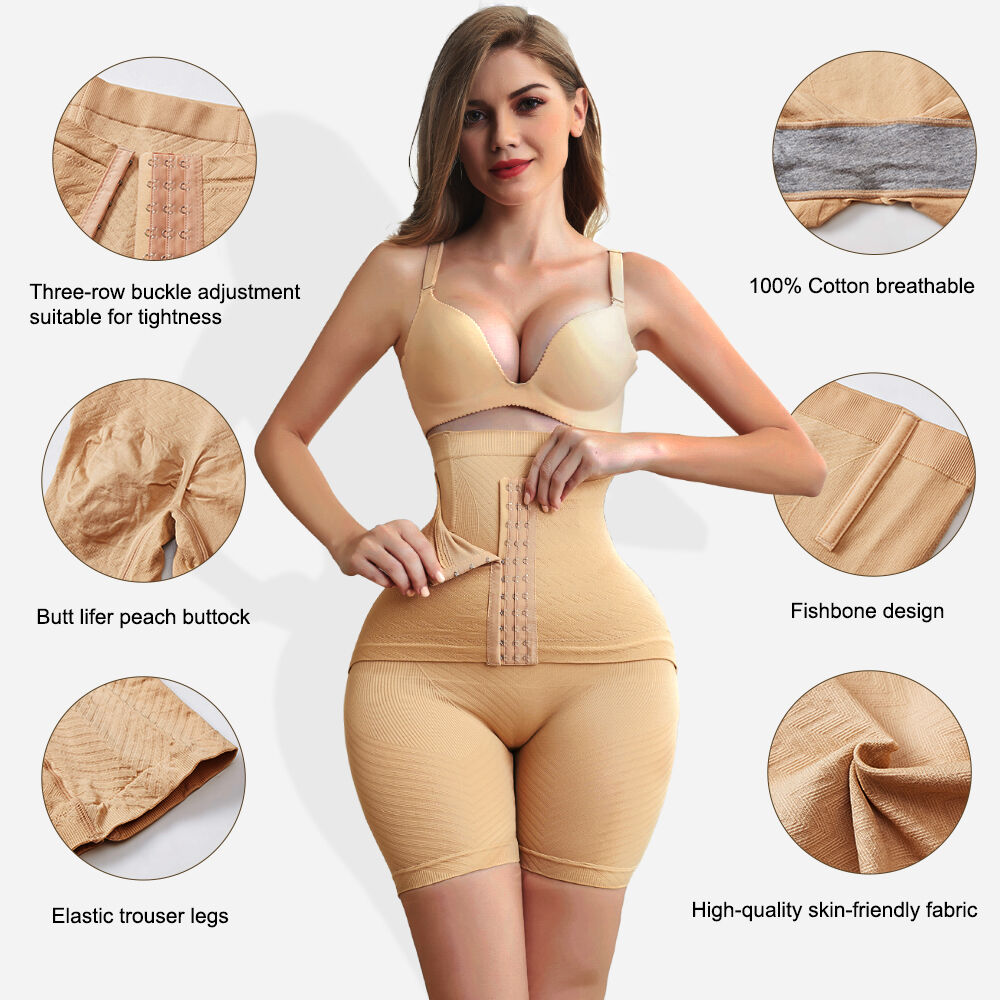
Основна сврха и функционална свестраност
Тренер за талију и корсет у суштини раде веома различите ствари када је у питању обличење тела. Тренири за талице се фокусирају на то да људе подстакну да се више зноје док вежбају или раде свакодневне ствари. Направљени су од продишавих, али чврстих материјала који помажу да се временски смањи појас без да буде превише неугодно. Људи их могу носити било где где треба да се крећу, било да иду у теретану или седе за столом цео дан. Корсети кажу потпуно другу причу. Ове ствари су направљене да за добро преобразе тело, користећи чврсте кости и чврсте врпце које постепено мењају изглед неког са временом. Разлика између њих је прилично јасна. Тренер за талије одговара у заузет живот где је погодност најважнија. Корсети су за оне посебне прилике или прилике када неко жели да изгледа драматично другачије, чак и ако то значи да се уложи у додатни напор да би то постигао.
| Особност | Trener za talas | Korset |
|---|---|---|
| Примарна сврха | Привремено обличење и положај током активности | Дуготрајно смањење струпа и скулптура силуета |
| Обхват свестраности | Спојиво са вежбањем, свакодневним рутинама | Оптимизовано за посебне прилике, слојено ношење |
| Функционална употреба | Дишавајућа компресија за кретање | Строг узор за дуготрајно задржавање облика |
Избор између њих зависи од тога да ли се ваш циљ фокусира на функционалну флексибилност или трансформативну структурну подршкуодговорни први корак у навигацији кроз тренер за талију против корсета одлуке.
Материјални конструкција и структурна флексибилност
Када упоређујемо тренере за талију са традиционалним корсетима, разлике се заиста истичу када погледамо од чега су направљене и како раде. Већина тренера за тали користе еластичне материјале као што су латекс или неопрен који пружају нешто што се зове динамичка компресија. Ове тканине могу да се истегну око 20 до 30 посто, али и даље задржавају притисак на средину током целог дана. Такође имају танке спиралне челичне кости које пролазе кроз њих и које пружају довољно структуре без мешања у нормално дисање или окретање кретања. То чини да се ова одећа практично могу носити цео дан и чак и током лаких вежби.
Већина корсета направљена је од крутих материјала који се не истежу много, као што су кутил или брокат. Обично су обложени нечим мекијим као што је памук или крчмац како би трајали дуже и боље распоређивали притисак. Структурни елемент одеће је направљен од челичне костице која се вертикално дужи по телу, или плоске или пружне челике, што даје одећи чврст облик. Оно што ове одеће чини изузетним јесте то што се усредсређују на драматично смањење струпа, чак и ако то значи жртвовање слободе кретања. Људи који их носе често имају тешкоћа да дубоко дишу или да се удобно савијају. Уместо да све притискају ток око струпа, модерни дизајнери имају тенденцију да распростране ову снагу и преко ребра и кука.
Кључне структурне разлике укључују:
- Еластичност материјала : Treneri za struk понуди 2030% истезања; корсети остају функционално не истезавају (<5%)
- Конфигурација костију : Флексибилни спирални челик (тренери) у односу на чврсти равни или пружни челик (корсети)
- Раздаја притиска : Циљна компресија средњег дела (тренери) у односу на прерасподелу оптерећења за цео торз (корсети)
- Толеранција на покрет : Висока подржава природна кретања (тренери); ограничена одржава фиксну позицију (корсети)
Док талији тренинг обучавају промене положаја и динамично кретање, корсети задржавају форму кроз крутост - идеални за формалне силуете, али некомпатибилни са одрживом активношћу.
Практично усклађивање са употребом случаја: од опоравка након порођаја до формалних прилика
Фактори који се односе на начин живота и здравствене услове играју велику улогу у томе шта је најбоље за сваког човека. Многима женама су помоћни тренери за појас након порођаја, јер стручњаци за здравље карлице често препоручују да пруже благу подршку подручју абдомена док још увек омогућавају нормално кретање и дисање. Ова врста одеће је направљена од материјала који пуштају ваздух и могу се удобно раширити, што је веома важно када се ткива још увек прилагођавају и може бити неких отицања у првих неколико недеља опоравка.
Корсети најбоље раде за оне брзине ситуације у којима је изглед најважнији: размислите о венчањима, фото сесијама или историјским догађајима у костимима када је класична форма пећног сата оно што људи желе да виде. Тврда конструкција даје тренутни пораст фигуре испод фенси хаљина или кројаних капута, али има своју цену. Постаје непријатно савијети се, седећи дуго постаје неугодно, а носити их цео дан једноставно није практично. Посебно за нове мајке, доктори обично не препоручују корсете осим можда у последњим недељама након порођаја ако специјалиста даје зелено светло. И апсолутно не замењујући прави физикалну терапију са овим чврстим одећом.
Медицински стручњаци, укључујући физиотерапеуте и акушерке, константно подржавају тренажере за појас за примену у функционалном опоравку, наводећи доказе из клиничких смерница о рехабилитацији срж после порођаја. Корсети остају специјализовани естетски алат, укорењен у модној историји и стилу који је свестан тела, а не терапеутске интервенције.
Избор праве опције: Рамка за доношење одлука за ваше циљеве
Избор између тренера за талију и корсета у потпуности зависи од ваших специфичних потреба, временског периода и физиолошког контекста. Овај оквир усклађује ваше циљеве са исходом заснованим на доказима.
Када је тренинг за талију бољи избор
Изаберите trener za talas ако цените удобност, дишање и функционалну подршку током свакодневног живота или кретања. Његова адаптивна компресија га чини идеалним за:
- Постпартно опоравка (под водством физиотерапеута карличног дна)
- Продужена дневна ношењепод радном одећу или активном одећом
- Интеграција у вежбе ниског до умереног интензитета
Када корсет даје боље резултате
Изаберите корсет само када тражите драматично, краткорочно побољшање силуете у контролисаним условима. Његова структурна прецизност подржава:
- Формални догађаји (нпр. венчања, гала, позоришта)
- Историјски или карактерски стил који захтева аутентичан облик
- Надзорни, постепено тренинг режими струкапочети тек након основне снаге и медицинске одобрења
Често постављене питања
1. у вези са Која је главна разлика између тренера за појас и корзета?
Тренер за талије се углавном користи за привремено обликовање и побољшање положаја током свакодневних активности, док су корсети дизајнирани за дугорочно смањење талија и пружају драматичну силуету.
2. Уколико је потребно. Да ли су тренери за појас безбедни за опоравка након порођаја?
Да, здравствени стручњаци често препоручују тренинг за појаву појасе под водством физиолога талијског дна, јер пружају функционалну подршку и омогућавају нормално кретање.
3. Уколико је потребно. Могу ли свакодневно носити корсет?
Корсети нису идеални за свакодневну ношење јер ограничавају кретање и могу бити неугодни за дуготрајну употребу. Најбоље су погодне за посебне прилике које захтевају одређену силуету.
4. Уколико је потребно. Шта је боље за вежбање, тренери за појас или корсет?
Тренир за појас је погоднији за вежбање јер нуди дишућу компресију и подржава кретање, за разлику од корсета који ограничавају природно кретање.