
 EN
EN
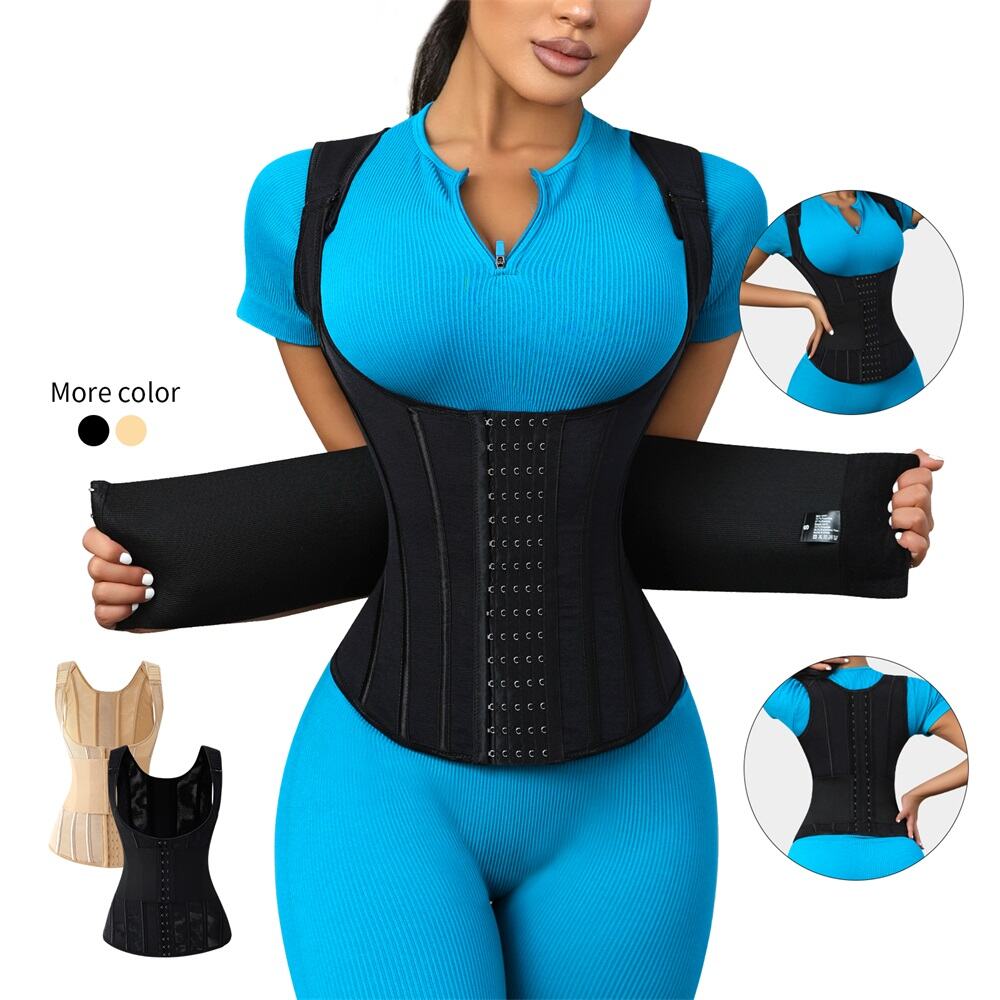
How High-Waist Shapers Provide Targeted Lumbar and Lower Back Support
Anatomical Coverage: Why the High-Waist Design Engages the Lumbar Region
High waist shapers cover more area around the lower back region, which is that inward curve between the ribs and hips. They connect the upper back bones to the base of the spine in a way that spreads out the supportive pressure over all five sections of the lumbar spine (L1 through L5). Research into how belly bands affect posture shows these higher rise designs cut down on disc strain during movements by somewhere between 15% and 32% when compared with regular mid rise options. The silicone bands running upwards stop the garment from slipping down, keeping the support exactly where the spine needs it most since those areas don't have much muscle backing them up. This creates a kind of gentle lift effect that takes some weight off the sensitive parts of the lower back that gravity tends to stress out.
Compression Mechanics: Pressure Distribution and Spinal Alignment Feedback
Graduated compression in high-waist designs uses proprioceptive signaling to enhance posture awareness. Medical-grade fabrics apply 8–12 mmHg pressure—highest at the lumbosacral junction—tapering downward to avoid vascular restriction. This calibrated force delivers three key biomechanical effects:
| Mechanism | Effect | Clinical Relevance |
|---|---|---|
| Horizontal Tension | Redistributes abdominal pressure away from spine | Lowers disc compression by 18% (Biomechanics Journal 2022) |
| Vertical Support | Creates micro-resistance against slouching | Triggers reflex core activation in 72% of wearers |
| Sensory Feedback | Provides constant tactile cues about spinal position | Improves postural self-correction by 41% over 4 weeks |
The continuous pressure matrix acts like a kinetic reminder—gently encouraging neutral alignment without restricting diaphragmatic breathing or natural gait. Unlike rigid braces, this dynamic support adapts to movement while reducing compensatory muscle strain.
High-Waist Shaper Benefits vs. Clinical Limitations for Back Conditions
Evidence on Temporary Symptom Relief vs. Long-Term Structural Correction
High waist shapers give some temporary support to the lower back area by applying pressure where it counts, potentially helping people stand straighter and feel less sore while wearing them. But these aren't miracle workers when it comes to fixing real problems like weak muscles or worn out discs in the spine. Research from 2018 showed something interesting too those belly bands can actually cut down on how much air someone takes in during physical activity by around 15 percent, which means there are definitely some downsides to consider. If someone wants their back to stay healthy long term, mixing short periods of wearing a shaper with actual strengthening workouts for the core makes sense. Just depending on compression alone might lead to weaker muscles down the road instead of stronger ones.
When to Avoid High-Waist Shapers: Sciatica, Herniated Discs, and Medical Contraindications
Patients with certain conditions should avoid high-waist shapers entirely:
- Sciatica or nerve compression: Tight bands can exacerbate inflammation.
- Herniated discs: External pressure may worsen spinal misalignment.
- Digestive disorders: Abdominal compression correlates with a 30% higher risk of reflux.
-
Circulatory issues: Restricted movement elevates thrombosis likelihood, per vascular research.
Always consult a licensed spine specialist before using compression garments if you have chronic or diagnosed back conditions.
Posture Enhancement Through Proprioceptive Core Engagement
How Gentle, Consistent Compression Promotes Upright Postural Habits
High waist shapers work by applying gentle but steady pressure that gives the body constant feedback through subtle sensations. These cues help people become more aware of how their spine is positioned throughout the day. The compression actually makes core muscles kick in automatically, which helps bring shoulders into better alignment with the hips and fights off that tendency to slump forward. Studies have found that wearing these consistently can train the body's neural connections so someone stays about 15 to 20 percent straighter when sitting around all day according to research published in the Journal of Biomechanics back in 2022. What sets these apart from stiff braces that might actually make supporting muscles weaker is this gradual support system. Over time, it teaches deeper abdominal muscles like the transverse abdominis along with smaller back muscles called multifidus to start working on their own. But remember, these aren't replacements for proper physical therapy. For best results, combine regular shaper usage with specific exercises aimed at strengthening the core. Most experts recommend limiting daily wear to between four and six hours maximum to avoid creating too much reliance on external support while still letting the body learn those important alignment signals naturally.
Practical Use Guidelines for Safe and Effective High-Waist Shaper Wear
Optimal Wear Duration (4–6 Hours), Fit, and Breathability Considerations
Don't wear those high waist shapers for more than around 4 to 6 hours at a time because sitting too long in them can really mess with nerves and blood flow. Get the right size by checking those standard measurements charts folks usually provide. Never go smaller thinking it will give better results since that just leads to all sorts of problems like numb spots, irritated skin, or those nasty deep marks left behind. The compression should feel good and supportive but definitely shouldn't cut off circulation completely. Go for materials that let air through and wick away sweat instead of trapping heat inside. Cotton blends work pretty well or those fancy synthetic fabrics designed specifically for this purpose. Take off the shaper right away if there's any tingling sensations, trouble breathing, or just general discomfort that won't go away. Give it a wash after wearing it two or three times to keep it elastic and clean. Save the really tight ones for when absolutely necessary like parties or weddings, not something worn day after day for maximum comfort and safety over time.
FAQ Section
What is the main purpose of high-waist shapers?
High-waist shapers are designed to provide lumbar and lower back support, improve posture, and offer temporary relief from discomfort by distributing pressure evenly across the lower back.
Can wearing high-waist shapers help with posture?
Yes, consistent wearing of high-waist shapers can help promote upright postural habits by providing gentle compression and sensory feedback, which enhances posture awareness.
Are there any risks associated with wearing high-waist shapers?
Yes, risks may include exacerbating sciatica or herniated discs, digestive issues, or circulatory problems. Always consult a spine specialist if you have chronic back conditions.
How long should I wear a high-waist shaper?
It is recommended to wear high-waist shapers for no more than 4 to 6 hours at a time to ensure safety and avoid dependency on external support.