
 EN
EN
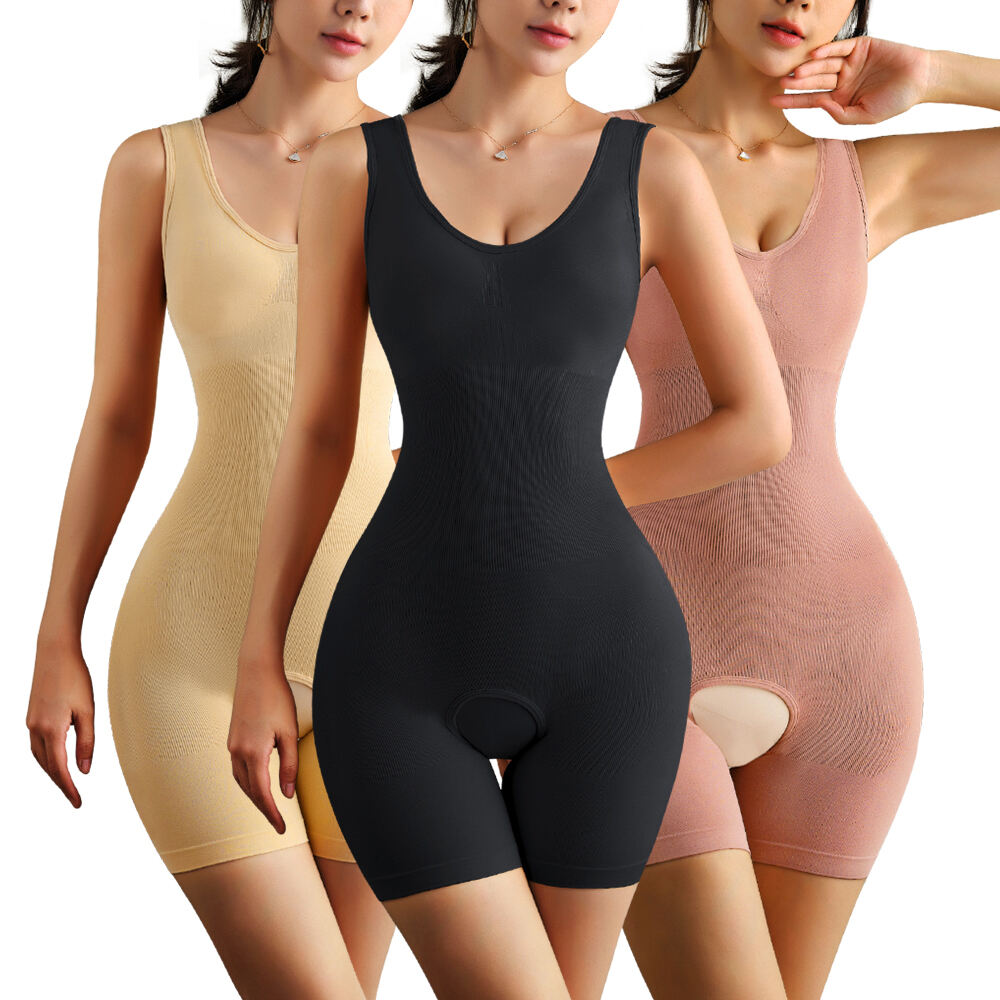
The Core Physiological Principles Behind Body Shaper Compression
Targeted Pressure and Circulatory Enhancement
Compression garments work by applying different levels of pressure measured in millimeters of mercury (mmHg) across various body areas. The idea is to shift soft tissues around while helping blood get back to the heart faster. Think of it as something similar to what doctors do for circulation issues, just on a smaller scale. These garments help reduce swelling and create a more streamlined look all day long without making anyone feel uncomfortable. Most good quality ones have the tightest compression around the waist area, usually between 15 to 20 mmHg, then gradually loosen up towards legs and arms down to about 8 or 10 mmHg so they don't interfere with how our bodies naturally drain fluids. Newer models now come with special fabric panels that let air through and wick away sweat, which makes wearing them for hours much more bearable than older versions used to be.
Proprioceptive Feedback for Muscle Support and Stability
Compression clothing works by constantly stimulating our sense of where our bodies are in space, which is what experts call proprioception. When worn regularly, these fabrics send gentle signals to the nervous system that encourage better posture almost automatically. They wake up those deeper muscles around the back and stomach area, cutting down on slouching during long periods sitting at desks or watching TV. Studies suggest people who wear them experience about a third less slouching behavior compared to when they don't. What makes compression different from old fashioned corsets is how it moves with the body instead of restricting it completely. The fabric actually helps reduce unwanted muscle vibrations too. With consistent use, most folks find their bodies start remembering good posture habits even when taking off the garment later on.
Compression Levels (mmHg) and Their Impact on Body Shaper Functionality
Mild vs. Moderate Compression: Smoothing, Support, and Wearability Trade-offs
The amount of compression makes all the difference when it comes to results. Mild compression levels around 8 to 15 mmHg offer gentle smoothing effects and comfortable all day wear, great for those who want just a hint of shaping underneath regular clothes. When we look at moderate compression between 15 and 20 mmHg, this gives much stronger support and creates a more noticeable shape, which works well for tighter fitting outfits. But keep in mind these should probably only be worn for about four to six hours since they place more demands on the body's systems. Fabrics that breathe well and stretch a lot really help people tolerate moderate compression better, whereas mild options focus more on staying flexible and allowing free movement. Pick what suits your needs best mild stuff for everyday use, moderate if you need specific shaping. Getting the right fit matters a lot though poor fitting items can actually restrict blood flow or simply not work as intended. Anyone dealing with circulation issues or long term back problems would do well to talk to either a physical therapist or someone trained in proper fitting before getting started.
| Compression Level | Smoothing Effect | Support Level | Wearability Duration |
|---|---|---|---|
| Mild | Gentle, natural | Minimal | 8+ hours comfortably |
| Moderate | Pronounced | Significant | 4–6 hours optimally |
Advanced Fabric Engineering for Precision Body Shaper Performance
Graduated Elasticity, Anatomical Zoning, and Dual-Layer Construction
Modern body shapers owe their effectiveness to careful engineering that provides both instant contouring and actual biomechanical advantages. The way these garments work involves graduated elasticity that creates different pressure zones. Usually around 15 to 20 mmHg is applied to the belly and lower back area, then it tapers off to about 8 or 10 mmHg on the hips and thighs. This helps boost blood flow without making movement difficult. Many designs incorporate anatomical zoning through specially placed knit panels that line up with important muscles and connective tissues. These panels give extra support to the core and lower back areas while still allowing normal body movements. Most high quality body shapers have two distinct layers. Inside there's typically a moisture wicking fabric made from nylon and spandex mixtures that keeps things cool. Outside sits a stronger warp knit layer designed to hold its shape. When manufacturers combine these textile innovations with principles of human movement, they create products that adjust to how someone actually moves throughout the day. Beyond just looking better, many users report feeling posture improvements and even some level of muscle support after wearing them regularly.
Beyond Aesthetics: Posture Correction and Neuromuscular Benefits of Body Shapers
Today's body shapers aren't just fashion accessories they actually help correct posture through science based design. When properly fitted, these garments apply pressure to specific areas of the torso and back which sends signals to the brain about body position. This triggers automatic adjustments in how we stand and sit, helping maintain the natural curve of the spine. Studies indicate that wearing such supportive gear can cut down on lower back pain by around 30% after sitting at a desk all day. Many modern versions feature extra support in the lower back region to strengthen abdominal muscles naturally over time. What makes them work so well is that they create lasting changes in muscle memory for better posture habits. Newer models now include features inspired by physical therapy techniques, turning regular clothing into something that actively promotes healthier spine alignment throughout daily activities.
FAQs
What are the main benefits of wearing body shaper compression garments?
Body shaper compression garments help improve circulation, enhance posture, provide muscle support, and reduce muscle vibrations. They offer a streamlined appearance and support the body's natural drainage of fluids.
How do I choose the right compression level?
Choosing the right compression level depends on your needs. Mild compression (8-15 mmHg) offers gentle smoothing for everyday wear, while moderate compression (15-20 mmHg) provides stronger support for tighter outfits. Always ensure a proper fit to avoid restricting blood flow or experiencing discomfort.
Can body shapers help with back pain?
Yes, body shapers can help alleviate back pain by promoting better posture and providing support to the lower back. Studies have shown that wearing supportive gear can reduce lower back pain by around 30%.