
 EN
EN
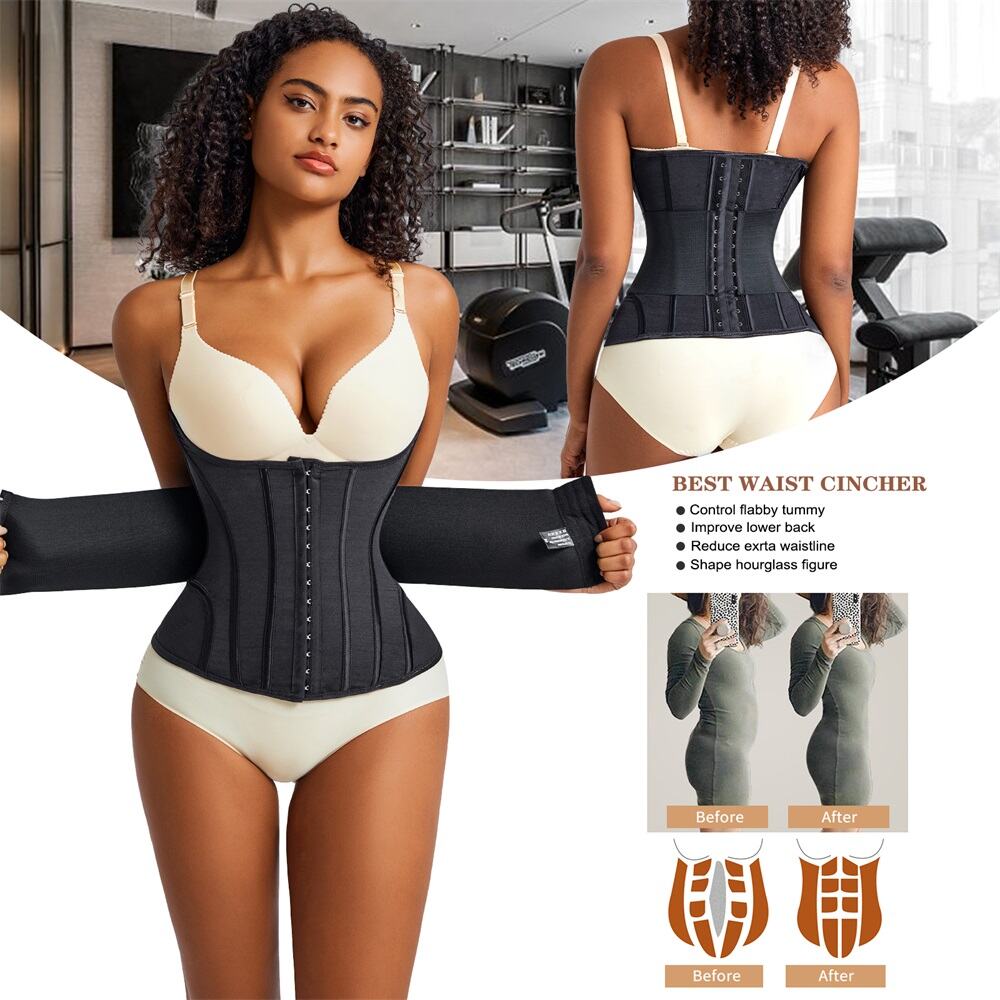
Evidence-Based Timing Guidelines for Starting a Tummy Wrap
Vaginal Delivery: Safe Initiation Window and Lochia Considerations
Healthcare professionals generally recommend using belly wraps around day 2 to 6 following uncomplicated vaginal deliveries, particularly when the postpartum bleeding (lochia) starts shifting from heavy flow to something lighter. Getting started early might help support the abdominal muscles as they begin to engage again and assist with proper uterus positioning. However important it is to keep pressure light and not too tight so nothing blocks the natural process of expelling lochia. If someone notices more pain than expected or sees unusual bleeding patterns, they should take off the wrap immediately and reach out to their doctor about what's going on. Every woman's body heals differently. Women who experienced perineal tears during childbirth or feel extremely tired might find it better to wait between one and two weeks before trying any kind of compression garment at all.
Cesarean Section: Delayed Start Protocol and Wound Healing Requirements
It's generally best to wait around 4 to 6 weeks after a C-section before using a tummy wrap. But this depends on several factors including whether the surgical site has fully closed, remains dry, and shows no signs of infection according to what the doctor finds during checkups. Putting pressure on the area too soon can actually cause problems like the incision opening again, fluid buildup under the skin, or slow down healing processes as outlined in standard recovery protocols. When doctors give the green light, start with just two hours wearing the wrap each day and slowly build up time as the scar starts to heal properly. Remember that feeling comfortable is more important than how tightly wrapped everything feels. Good support shouldn't restrict blood flow or make breathing difficult at all.
Medical Clearance and Safety Criteria Before First Tummy Wrap Use
Mandatory Provider Consultation and Contraindication Checklist
Consult your healthcare provider before using a tummy wrap—this step is non-negotiable. Providers evaluate uterine involution, pelvic floor readiness, and (if applicable) surgical site integrity to determine safety. Key contraindications include:
- Diastasis recti wider than 2.5 finger-widths
- Diagnosed pelvic organ prolapse
- Personal or family history of thrombophilia or venous thromboembolism
- Active infection, fever, or unhealed wounds
A 2023 clinical review in Postpartum Rehabilitation found that 68% of reported complications stemmed from skipping professional evaluation. Compression timing and intensity are not one-size-fits-all; they require individualized clinical judgment.
Red Flags: When Pain, Bleeding, or Swelling Prohibit Tummy Wrap Use
Discontinue use immediately if you experience:
- Increased pain, especially sharp or localized discomfort near incision sites or the pubic symphysis
- Abnormal bleeding, such as sudden bright-red lochia resurgence or soaking more than one pad per hour
- New swelling, including leg edema or visible indentations along the wrap's edges
- Numbness or tingling, indicating possible nerve compression or compromised circulation
These symptoms reflect physiological distress—not adaptation—and warrant prompt medical review. As leading obstetric guidelines affirm, abdominal binders should amplify, not suppress, the body's innate healing cues.
Listening to Your Body: Aligning Tummy Wrap Use with Personal Recovery Signals
What matters most after giving birth is what our bodies actually tell us during recovery. Sure, there are general guidelines out there about when things should heal, but listen closely to those daily signals from within fatigue levels, sore spots, how deep we can breathe, and whether moving around feels okay. These physical cues matter way more than any calendar date when it comes to wrapping up safely. If wearing a belly band causes pain, feels tight near stitches, or makes breathing shallow at first, that probably means either healing hasn't caught up yet or the fit just isn't right. Take a step back then, give it some time, maybe try adjusting again later on.
Keep an eye on how things are going with these key signs: less pain when rolling over or getting up, being able to engage the core muscles properly throughout regular activities, and finding that simple actions like coughing or picking something up don't cause discomfort anymore. If even basic motions still hurt, hold off on using whatever method until those signals change, no matter what some schedule might say otherwise. Start slow, maybe just 1 or 2 hours at a time, but only after light movement genuinely feels okay without any nagging sensations. Progress should be guided by what feels good inside, not by what someone else thinks is appropriate for the day. Regular check ins with how the body responds will help keep the abdominal support working as intended instead of becoming another obstacle in the recovery process that everyone goes through differently.
FAQ
Can I wear a tummy wrap immediately after childbirth?
For vaginal deliveries, tummy wraps can generally be used 2 to 6 days postpartum, if bleeding is light enough. After a cesarean section, wait at least 4 to 6 weeks, once the wound is fully healed and dry.
What symptoms should prompt me to stop using a tummy wrap?
Discontinue use if experiencing increased pain, abnormal bleeding, new swelling, or numbness/tingling, as these could signal complications.
Why is healthcare provider consultation necessary before using a tummy wrap?
Professional consultation checks uterine involution, pelvic floor readiness, and surgery site integrity to ensure safety and prevent potential complications.