
 EN
EN
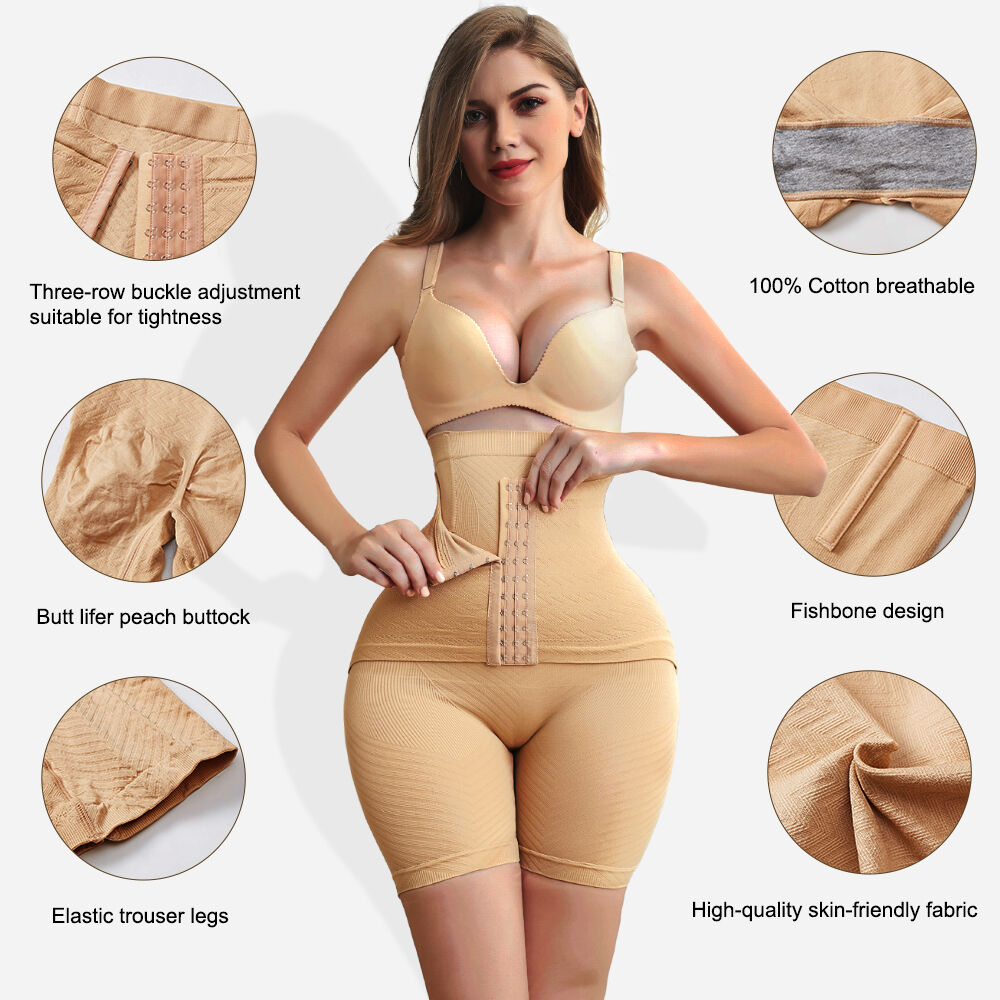
Understanding Diastasis Recti and the Physiological Role of Tummy Control
The biomechanics of abdominal separation and how Tummy Control supports passive realignment
Diastasis recti, or DR for short, happens when the two main abdominal muscles separate along the midline of the belly. About 60% of people who give birth experience this condition, which can really mess with their core strength and overall body stability. During pregnancy, constant pressure inside the belly stretches out the connective tissue between these muscles. That's where medical quality tummy control wear comes in handy. These special garments provide graduated compression across the stomach area, creating support similar to how our own abdominal tissues naturally work together. The compression helps take some stress off the stretched out tissue in the middle, allowing those separated muscles to slowly move back toward each other over time. This makes everyday activities easier while the body works on repairing itself after childbirth.
Ultrasound evidence: Reduced inter-recti distance with consistent, graded Tummy Control use
Clinical ultrasound data confirm that consistent, properly fitted Tummy Control use significantly reduces inter-recti distance (IRD). A 2023 study published in the Journal of Orthopaedic Research found a 30% mean reduction in IRD after eight weeks of daily wear, compared to untreated controls. Key mechanisms include:
- Continuous tissue approximation, maintaining reduced IRD during functional activity
- Edema reduction, minimizing fluid accumulation in overstretched connective tissue
- Postural reinforcement, discouraging compensatory movements that impede healing
Outcomes depend critically on correct fit and adherence—optimal results occur with daily wear during upright, weight-bearing tasks, without restricting diaphragmatic breathing or pelvic floor engagement.
Tummy Control as a Neuromuscular Tool for Core Re-education
Reactivating the transverse abdominis through compression-enhanced proprioception
The Tummy Control serves two main purposes: it provides physical support and acts as a sort of neuromuscular signal booster. When worn, the focused pressure increases the body's awareness signals sent to the brain, which helps wake up the transverse abdominis muscle - that's the deep core muscle responsible for stabilizing the lower back and pelvis area. After childbirth, many women experience reduced activity in these muscles due to changes in their nervous system response. Compression helps overcome this issue by giving better feedback to the body while moving around. Studies have found that wearing compression gear leads to about 38% more activation of the TA muscle during everyday activities according to research published in the Journal of Orthopaedic Research last year. This happens because...
- Sensory facilitation: Cutaneous pressure receptors signal spinal alignment shifts in real time
- Motor relearning: Graduated compression encourages reflexive, exhale-initiated bracing
- Neural pathway restoration: Consistent wear reinforces pre-pregnancy motor patterns
Integrating Tummy Control into breathing-coordinated core loading progressions
Effective integration pairs compression with breath-synchronized movement to accelerate neuromuscular re-education:
- Foundation phase: Wear during diaphragmatic breathing drills to establish TA–diaphragm–pelvic floor co-activation
- Dynamic integration: Use during squat-to-reach or step-up patterns, initiating core bracing on exhalation
- Progressive challenge: Gradually reduce reliance on compression as proprioceptive awareness and active control improve
This layered approach enhances core stability 27% faster than exercise alone by aligning motor relearning with tissue recovery timelines. Compression serves as real-time biofeedback—correcting compensation before it becomes habitual—and bridges the gap from passive support to autonomous neuromuscular control.
Medical-Grade Tummy Control vs. Cosmetic Shapewear: Key Differences That Impact Recovery
Clinical design features: Gradient compression, directional elasticity, and pelvic-floor alignment
Medical-grade Tummy Control is engineered to support physiological recovery—not aesthetic contouring. Unlike cosmetic shapewear, which applies uniform, often excessive pressure, therapeutic garments are designed around evidence-based biomechanical principles:
- Gradient compression (20–30 mmHg), decreasing from suprapubic to xiphoid level, improves venous return and reduces edema—meeting FDA-listed medical device standards
- Directional elasticity, with greater horizontal stretch and controlled vertical resistance, supports abdominal wall recoil without impeding respiratory or pelvic floor mobility
- Anatomically contoured panels, including reinforced pubic and sacral zones, promote neutral pelvic alignment and protect against compensatory lumbar hyperextension
| Feature | Medical-Grade Tummy Control | Cosmetic Shapewear |
|---|---|---|
| Primary Purpose | Muscle and fascial recovery support | Temporary silhouette shaping |
| Compression Type | Graduated, clinically calibrated | Uniform, non-tapered pressure |
| Pelvic Support | Structured, load-distributing panels | Minimal or absent anatomical design |
These distinctions directly influence functional outcomes: gradient compression garments outperform standard shapewear by 18% in IRD reduction (Journal of Women's Health Physical Therapy, 2023) and align with ACOG guidelines for safe postpartum loading progression.
Evidence-Based Usage Guidelines for Safe and Effective Tummy Control Integration
Timing, duration, contraindications, and alignment with ACOG and ICSPT postpartum protocols
Begin Tummy Control within 48 hours postpartum—coinciding with peak tissue inflammation—to support early-stage healing. Start with 2–4 hours per day during upright activities, increasing gradually to 8–12 hours by week six as core endurance and tolerance improve. Avoid continuous 24-hour wear to prevent vascular compromise or peripheral nerve irritation.
Absolute contraindications include:
- Unhealed cesarean incision
- Moderate-to-severe pelvic organ prolapse (Stage II or higher)
- Diastasis recti wider than 4 cm at the umbilicus (requiring individualized physical therapy assessment first)
The advice here comes from experts at ACOG and ICSPT regarding how women should gradually return to physical activity after giving birth. If someone starts feeling numbness, notices new pain getting worse, or sees more swelling than before, they need to stop using whatever product right away. Getting the most benefit means combining these garments with regular deep belly breathing exercises and slowly building up core strength through proper exercises. This helps rebuild the connection between muscles and nerves throughout different everyday movements and activities.
FAQ
What is Diastasis recti?
Diastasis recti is a condition characterized by the separation of the two main abdominal muscles along the midline, often occurring in postpartum women.
How does Tummy Control assist with Diastasis recti?
Tummy Control provides graduated compression that supports the abdominal area, aiding in the passive realignment of separated muscles, thus supporting core strength and stability.
Are there specific guidelines for using Tummy Control postpartum?
Yes, it is recommended to start using Tummy Control within 48 hours postpartum for 2-4 hours a day, increasing to 8-12 hours by week six, avoiding continuous 24-hour use.
How is medical-grade Tummy Control different from cosmetic shapewear?
Medical-grade Tummy Control is designed for muscle and fascial recovery, providing gradient compression and pelvic support, unlike cosmetic shapewear which focuses on temporary silhouette shaping.
Table of Contents
- Understanding Diastasis Recti and the Physiological Role of Tummy Control
- Tummy Control as a Neuromuscular Tool for Core Re-education
- Medical-Grade Tummy Control vs. Cosmetic Shapewear: Key Differences That Impact Recovery
- Evidence-Based Usage Guidelines for Safe and Effective Tummy Control Integration
- FAQ