
 EN
EN
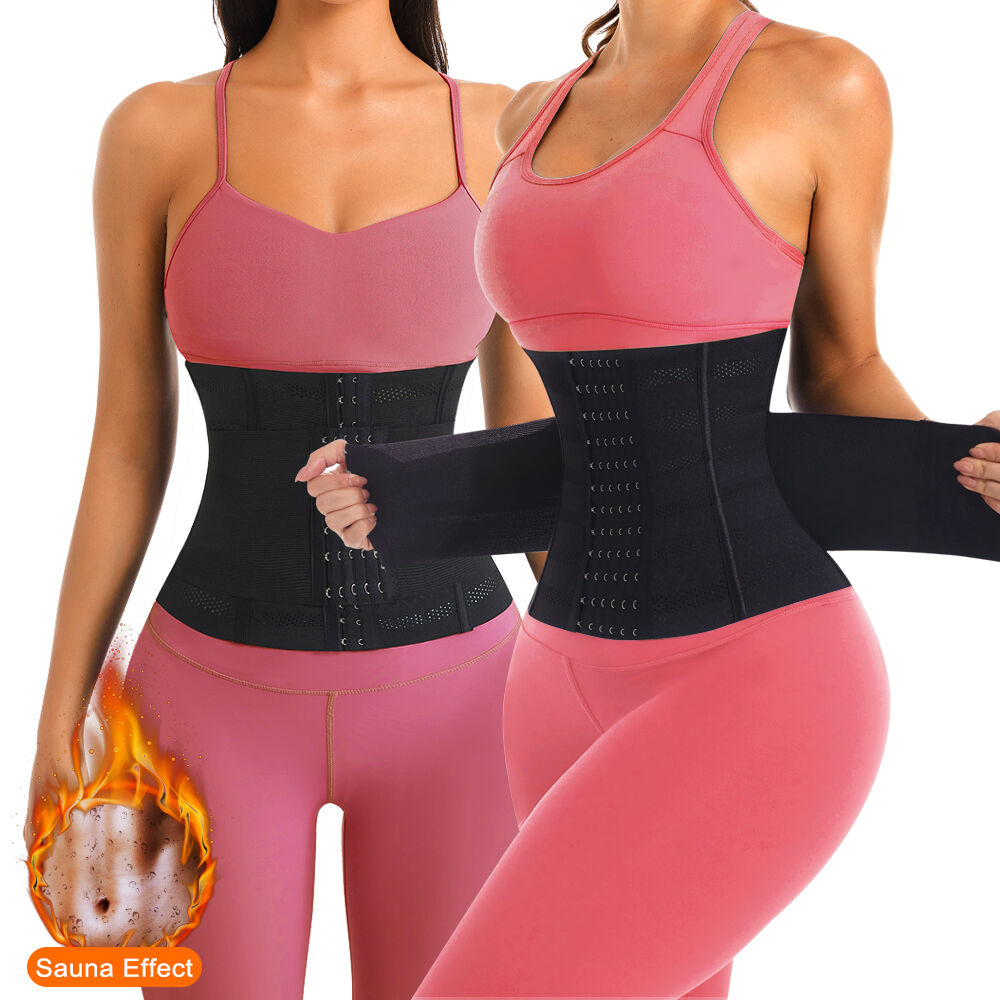
Biomekanika Dukungan Korset Waist terhadap Postur
Bagaimana Korset Waist Mempengaruhi Penyelarasan Tulang Belakang dan Posisi Panggul
Korset waist modern menerapkan kompresi terarah pada toraks, menciptakan tuas biomekanis yang mengurangi kelengkungan lumbal sebesar 15–20 derajat—sesuai dengan temuan dari studi kinematika tulang belakang. Dukungan eksternal ini beroperasi melalui tiga mekanisme terintegrasi:
- Stabilisasi panggul : Panel kaku mendorong tilt panggul posterior, menetralisir rotasi anterior yang memberi beban berlebih pada ekstensor lumbal
- Elevasi toraks : Batang baja vertikal mendistribusikan kembali beban tubuh bagian atas menjauh dari vertebra servikal, mendukung ekstensi toraks alami
- Umpan balik proprioceptive : Tekanan taktil berkelanjutan melatih pemakai untuk mendeteksi dan memperbaiki sikap membungkuk secara real-time
Berbeda dengan desain korset historis yang kaku, korset modern memungkinkan fleksi lateral sebesar 30–40% sambil mempertahankan keselarasan bidang sagital—sehingga memungkinkan mikro-gerak fungsional yang membantu menjaga keterlibatan neuromuskuler dan mengurangi risiko atrofi.
Stabilisasi Pasif versus Pemberian Isyarat Neuromuskuler: Dua Jalur Komplementer Menuju Postur yang Lebih Baik
Korset pinggang memberikan dukungan postur melalui dua jalur fisiologis yang saling melengkapi:
| Mekanisme | Fungsi | Efek Jangka Panjang |
|---|---|---|
| Dukungan Pasif | Beban eksternal yang ditopang oleh tulang baja (steel boning) | Pereda nyeri instan (74% pengguna dalam observasi klinis) |
| Isyarat Neuromuskuler | Pengingat taktil untuk mengaktifkan otot inti (core) dalam | Peningkatan proprioception dan keselarasan yang berkelanjutan—posisi tulang belakang membaik sebesar 28% tanpa korset setelah enam minggu penggunaan konsisten |
Dukungan pasif mengurangi gaya kompresi pada diskus intervertebralis hingga 17% selama tugas duduk. Secara bersamaan, umpan balik sensorik mendorong refleks postural terkondisi—mendukung perubahan perilaku yang berkelanjutan. Ketika dikombinasikan dengan protokol pemakaian berdurasi terbatas, strategi dua-aksi ini menangani baik penjajaran struktural maupun pembentukan kebiasaan motorik tanpa menimbulkan ketergantungan.
Desain Korset Pinggang Modern: Rekayasa Berbasis Keamanan untuk Dukungan Postural
Tulang baja (steel boning), panel berkontur, dan kompresi bertahap: Fitur utama yang meningkatkan dukungan lumbal
Modern korset pinggang bukan hanya soal tampilan yang menarik lagi. Desainnya justru dibuat berdasarkan prinsip biomekanika yang serius. Tulang baja vertikal di dalamnya membantu mencegah sisi korset runtuh ke dalam, sehingga lengkung alami tulang belakang bawah tetap terjaga. Menurut penelitian yang diterbitkan dalam Spine Health Journal tahun lalu, desain ini mampu mengurangi tekanan pada diskus sekitar 18% dibandingkan korset biasa tanpa penguatan. Panel berbentuk mengikuti kontur alami tubuh sehingga tekanan tersebar merata di seluruh area toraks, bukan terkonsentrasi pada satu titik—karena konsentrasi tekanan seperti itu berdampak buruk bagi aliran darah. Tingkat kompresi juga bervariasi di sepanjang garmen: paling kuat tepat di bagian tengah, di mana stabilitas inti (core) paling dibutuhkan, lalu secara bertahap menjadi lebih ringan ke arah tulang rusuk. Hal ini menciptakan semacam keuntungan mekanis yang mendukung postur tubuh bagian atas yang lebih baik tanpa menghambat pernapasan. Semua detail rekayasa ini berarti apa yang dulu hanya aksesori fesyen kini benar-benar berfungsi sebagai alat efektif untuk memperbaiki keselarasan tulang belakang.
Lapisan Bernapas dan Penyesuaian yang Adaptif: Mengurangi Risiko Sambil Memaksimalkan Kenyamanan
Ketika membahas keselamatan, yang dimaksud jauh lebih dari sekadar pemberian dukungan yang memadai bagi tulang. Lapisan dalam pakaian ini dirancang untuk menyerap kelembapan sekaligus menghambat pertumbuhan mikroba, sehingga membantu menjaga kesehatan kulit bahkan setelah dipakai sepanjang hari. Menurut penelitian yang diterbitkan dalam jurnal Textile Science Review tahun lalu, jenis kain semacam ini mampu mengurangi masalah kulit sekitar 25–30%. Sistem penutupnya juga patut disebutkan. Sistem ini menggabungkan kait dan mata kecil dengan tali pengikat yang dapat disesuaikan, sehingga pengguna dapat mengencangkan atau melonggarkannya sesuai perubahan bentuk tubuh sepanjang hari. Hal ini mencegah tekanan kompresi berlebihan yang berpotensi menimbulkan cedera. Yang membuat desain-desain ini benar-benar istimewa adalah kemampuannya memberikan dukungan kuat secara tepat di area-area yang paling penting, tanpa membatasi aliran darah atau merusak jaringan. Selain itu, desain ini tetap mempertahankan kesadaran tubuh—yang merupakan faktor penting dalam proses pemulihan kekuatan otot secara bertahap.
Protokol Penggunaan Aman untuk Pemakaian Korset Pinggang dalam Jangka Panjang
Adaptasi Bertahap: Durasi, Istirahat, dan Jadwal Pemakaian Progresif
Dokter umumnya menyarankan mengikuti pendekatan bertahap saat memulai penggunaan korset, guna memperoleh hasil optimal sekaligus meminimalkan risiko. Kebanyakan orang mulai memakainya selama sekitar satu hingga dua jam setiap hari pada minggu pertama, sambil memantau munculnya rasa nyeri atau ketidaknyamanan apa pun. Para profesional di bidang rehabilitasi menekankan betapa pentingnya masa-masa awal ini, karena tubuh kita memerlukan waktu untuk beradaptasi terhadap gerakan baru serta tekanan baru yang diberikan pada otot dan ligamen. Setelah minggu pertama tersebut, secara perlahan tingkatkan durasi pemakaian tiap minggunya, namun jangan melebihi enam hingga delapan jam maksimal dalam satu hari. Ada pula beberapa batasan penting yang harus diperhatikan:
- Istirahat wajib selama 15 menit setiap 2 jam
- Hindari pemakaian saat tidur malam secara tegas
- Hentikan penggunaan secara segera apabila muncul rasa mati rasa, pusing, atau kesulitan bernapas
Bukti klinis menunjukkan bahwa progresi terstruktur selama 3–6 minggu secara signifikan menurunkan tingkat kejadian buruk. Berikut adalah contoh jadwal adaptasi:
| Minggu | Durasi Harian | Frekuensi |
|---|---|---|
| 1 | 1–2 jam | 3 hari |
| 2 | 3–4 jam | 4 hari |
| 3+ | 5–6 jam | 5 hari |
Pendekatan terukur ini menyeimbangkan dukungan biomekanis dengan toleransi fisiologis—dan menjadikan masukan proprioseptif pemakai sebagai panduan paling andal untuk menyesuaikan durasi pemakaian serta kecocokan korset.
Perspektif Medis Mengenai Penggunaan Korset Pinggang untuk Dukungan Postur
Indikasi dan Kontraindikasi Berbasis Bukti untuk Penggunaan Korset Pinggang
Konsensus medis mendukung penggunaan yang selektif dan diawasi korset pinggang untuk kondisi postural tertentu. Indikasinya meliputi kifosis postural ringan hingga sedang, di mana stabilisasi eksternal membantu mengurangi fleksi toraks; masa pemulihan awal setelah operasi fusi tulang belakang, ketika pembatasan gerak melindungi jaringan yang sedang sembuh; serta gangguan spektrum hiperlaksitas, di mana peningkatan umpan balik proprioseptif mendukung pemeliharaan posisi netral secara berkelanjutan.
Sebelum mempertimbangkan perawatan apa pun, penting untuk terlebih dahulu memeriksa kontraindikasi. Orang dengan osteoporosis berat menghadapi risiko patah tulang yang lebih tinggi ketika dikenakan gaya tekan. Mereka yang menderita hernia abdominal, gangguan GERD, atau kondisi paru-paru restriktif mungkin mengalami memburuknya gejala akibat peningkatan tekanan intra-abdominal selama perawatan. Kondisi kulit aktif seperti psoriasis di area pinggang bawah justru dapat mengalami iritasi akibat gesekan terus-menerus atau tertutup dalam waktu lama. Sebuah studi terbaru yang diterbitkan tahun lalu menyoroti poin penting mengenai korset pinggang: perangkat ini memberikan hasil terbaik bila digunakan bersamaan dengan program terapi fisik yang tepat, bukan sebagai pengganti total terapi tersebut. Sebagian besar ahli merekomendasikan membatasi penggunaan harian maksimal antara empat hingga enam jam. Hal ini membantu mempertahankan aktivitas otot inti (core) secara normal sekaligus melindungi koneksi neuromuskuler alami tubuh dari waktu ke waktu.
Pertanyaan yang Sering Diajukan
Apakah korset pinggang memberikan koreksi postur secara instan?
Ya, korset pinggang dapat memberikan koreksi postur secara instan dengan memberikan dukungan eksternal dan mendorong penyelarasan tubuh yang tepat. Hal ini terutama bermanfaat bagi mereka yang mencari pereda nyeri atau peningkatan postur dalam jangka pendek.
Berapa lama saya harus memakai korset pinggang setiap hari?
Disarankan untuk mulai memakai korset selama 1–2 jam per hari pada minggu pertama, kemudian secara bertahap meningkatkan durasinya selama minggu-minggu berikutnya. Durasi maksimal yang disarankan per hari adalah 6–8 jam, dengan istirahat berkala.
Apakah ada kondisi medis tertentu yang membuat penggunaan korset pinggang tidak dianjurkan?
Individu dengan osteoporosis berat, hernia abdominal, gangguan GERD, atau kondisi paru-paru restriktif sebaiknya menghindari pemakaian korset pinggang. Selain itu, mereka yang memiliki kondisi kulit aktif di area sekitar korset juga sebaiknya tidak menggunakannya.
Apakah korset pinggang dapat menggantikan terapi fisik?
Tidak, korset pinggang tidak boleh menggantikan terapi fisik. Korset ini bekerja paling baik bila digunakan bersamaan dengan program terapi fisik yang tepat untuk memastikan peningkatan keseluruhan postur tubuh dan penguatan otot.
Daftar Isi
- Biomekanika Dukungan Korset Waist terhadap Postur
- Desain Korset Pinggang Modern: Rekayasa Berbasis Keamanan untuk Dukungan Postural
- Protokol Penggunaan Aman untuk Pemakaian Korset Pinggang dalam Jangka Panjang
-
Perspektif Medis Mengenai Penggunaan Korset Pinggang untuk Dukungan Postur
- Indikasi dan Kontraindikasi Berbasis Bukti untuk Penggunaan Korset Pinggang
- Pertanyaan yang Sering Diajukan
- Apakah korset pinggang memberikan koreksi postur secara instan?
- Berapa lama saya harus memakai korset pinggang setiap hari?
- Apakah ada kondisi medis tertentu yang membuat penggunaan korset pinggang tidak dianjurkan?
- Apakah korset pinggang dapat menggantikan terapi fisik?