
 EN
EN
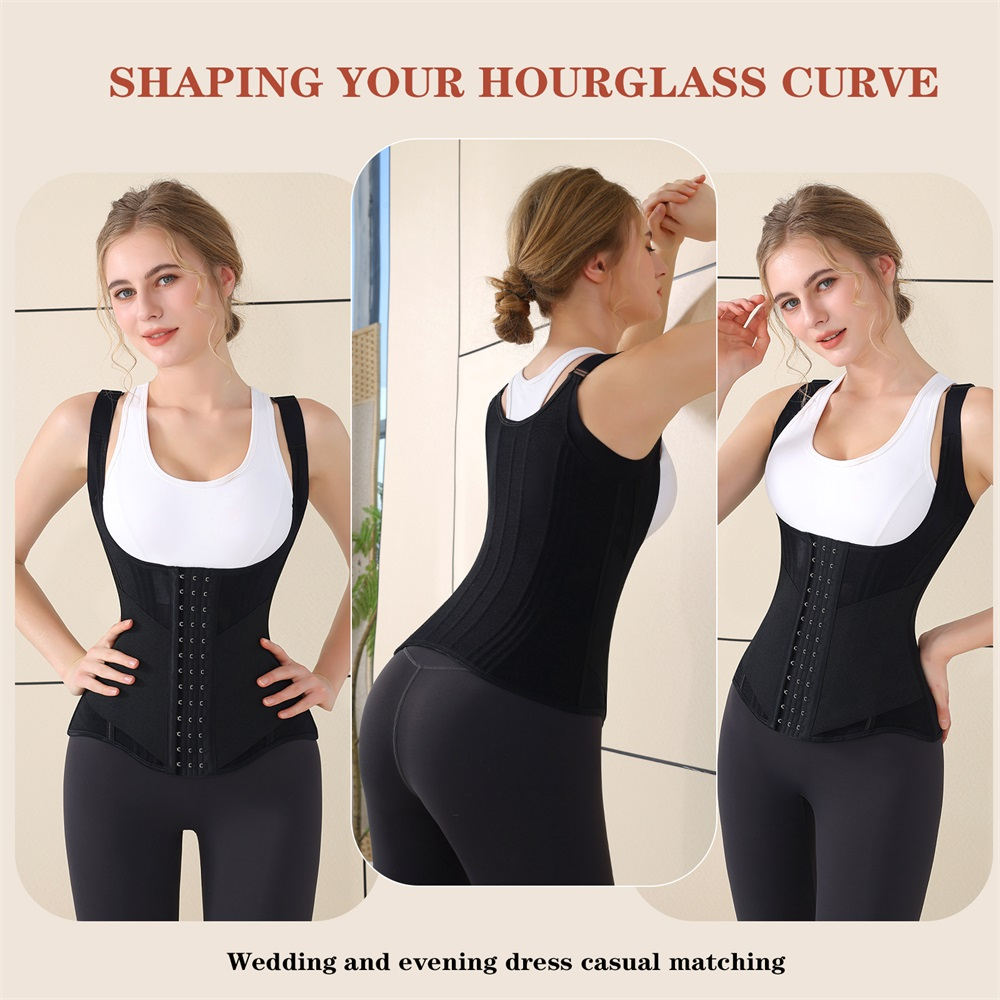
Choosing the Right Waist Trainer Shaper for Your Body and Goals
Accurate Measurement and Sizing Guidelines
Getting the right fit starts by finding where your natural waist is located at its narrowest point on your torso while standing normally. Grab a soft measuring tape and make sure it runs straight across without squishing your skin too much. The length of your torso matters just as much really. People with longer torsos generally need something that extends further down so it doesn't ride up all day long. Shorter builds will want something cut closer to their body shape to stay comfortable sitting around later. Don't forget to check those numbers against what the brand actually lists for sizes since different companies often have their own standards. When wearing a good quality waist trainer, there should be enough support but still room to breathe properly and keep blood flowing normally. Look for models with several rows of hooks or adjustable fastenings that can grow with changes over time. Measure yourself again roughly every four to six weeks because bodies do change shape gradually after all.
Steel-Boned vs. Latex Waist Trainer Shaper: Pros, Cons, and Best Use Cases
Steel boned corsets have those vertical steel rods running down the sides which give them that super rigid structure and really tight compression. They work great for getting that dramatic hourglass shape when someone needs it fast, like at an event or during a photoshoot session. But let's be real, these things seriously restrict movement and definitely aren't something to wear while working out. On the flip side, latex options provide much more flexibility with their breathable material that actually conforms to the body shape. People find them comfortable enough to wear throughout the day or even during light activities since they don't cut off circulation quite so badly.
| Feature | Steel-Boned | Latex |
|---|---|---|
| Compression | High (immediate shaping) | Moderate (gradual shaping) |
| Best For | Special occasions, photo shoots | Daily wear, low-impact exercise |
| Limitations | Reduced flexibility; not exercise-safe | Less dramatic silhouette |
Choose steel-boned options for targeted, temporary contouring–and latex for active, sustainable daily use–ensuring alignment with both comfort and functional goals.
Safe and Effective Waist Trainer Shaper Usage Protocol
Recommended Wearing Duration, Frequency, and Gradual Break-In Schedule
Start off with about an hour or two each day during the first week while getting used to it. Then slowly build up wearing time by another hour or so every week, trying to reach around eight hours a day by the fourth week mark. Don't wear it all night long or nonstop since that can lead to tired muscles and hinder proper recovery. Aim for five to six days of wear per week but remember to schedule some rest days too so the core stays responsive. Take it off right away if there's any pain, dizziness, or trouble breathing. Staying hydrated matters a lot when using compression gear because it tends to make people sweat more and lose fluids faster. Keep drinking water regularly throughout the day to compensate for this extra moisture loss.
Optimal Tightness: How Tight Should a Waist Trainer Shaper Be?
When worn correctly, a waist trainer provides good support without making it hard to breathe or move around normally. Most people find they can still take full breaths and usually manage to slip about two fingers between their skin and the garment. If someone starts feeling numb, dizzy, or notices pain along the ribs, it's time to back off and adjust the fit right away. Pushing for tighter settings just to see quicker changes isn't worth the risk of hurting muscles or messing with blood flow. Instead, go slow when adjusting those hooks as the body gets used to the new shape. Safety and comfort should always come first. Taking this steady approach helps achieve gradual results without going against what doctors recommend about safe compression practices.
Maximizing Results: Combining Waist Trainer Shaper with Lifestyle Factors
Consistency, Posture, and Core Engagement Beyond Daily Wear
Getting lasting results really comes down to how regularly someone wears these garments and making them part of their daily routine. Most people start with just 2 or 3 hours a day and work their way up to around 8 hours as their body gets used to it. This helps build muscle memory over time, though good posture and core engagement matter just as much. Keeping the spine straight while doing normal things throughout the day actually strengthens those neural pathways and activates deep abdominal muscles. When folks aren't wearing the garment, they should definitely do some core workouts too – think planks, bridges, maybe even some gentle pelvic tilts. A study in the Journal of Physical Therapy Science found that people who combined posture work with garment use saw about 18% better waist measurements than those relying solely on the garment. Bottom line? These products help, but they're no replacement for building real core strength from within.
Exercise Compatibility: Safe Integration with Cardio and Strength Training
Getting waist trainers into workout routines needs some smart planning and attention to detail. For gentle exercises like walking fast or using an elliptical machine, wearing a shaper might actually boost body heat a bit, so keep an eye on how deep breaths feel throughout. If someone starts feeling dizzy at all, it's time to take it off right away. When lifting heavier weights for big moves such as squats or deadlifts, definitely skip the compression since too much pressure inside the belly area can be dangerous. Save those waist shapers for simpler exercises like curling biceps or extending legs instead. Any kind of core work really, whether it's doing Pilates moves or flowing through yoga poses, should happen without any sort of waist support because proper breathing and back movement matter most there. Studies from the International Journal of Exercise Science suggest that when people follow these guidelines correctly, they burn about 15 percent more fat while working out. And remember to drink plenty of water throughout, and absolutely stop wearing anything tight around the waist if there's numbness, discomfort, or trouble breathing at any point.
Realistic Expectations and Long-Term Waist Trainer Shaper Effectiveness
Waist trainers basically work by squeezing the body temporarily, which makes people look slimmer while wearing them. What happens here is just the soft tissues getting pushed around, nothing permanent like actual fat burning or changing body structure. According to folks at the American College of Sports Medicine, there's really no substitute for good old fashioned hard work when it comes to reducing waist size over time. They stress things like working those core muscles regularly, eating right, and staying active throughout life. Some people do notice slight improvements in their shape after using waist trainers every day for several months straight, but let's be honest these changes aren't anywhere near what someone gets from serious workouts and real lifestyle changes. Results will always depend on individual factors including body type, how often they wear the trainer, and what else they're doing alongside it. When used properly under supervision from someone qualified like a personal trainer or physiotherapist, waist trainers can help out in the short term as part of a bigger plan. Still, they're just support tools at best. Stop wearing them and all those effects disappear pretty quickly, which brings us back to why real progress requires building up strength from within and developing healthy habits that last beyond whatever fashion accessory we happen to be wearing.
FAQ
Q: What is the best waist trainer shaper for daily use?
A: Latex waist trainers are recommended for daily wear because they offer moderate compression and flexibility, which is more comfortable for prolonged use.
Q: Can I exercise with a waist trainer on?
A: It's safe to wear a waist trainer during light exercises like walking or using an elliptical machine. Avoid wearing it for heavy lifting or core workouts as it may hinder proper breathing and movement.
Q: How do I know if my waist trainer is too tight?
A: A waist trainer is too tight if you're unable to take full breaths or experience any pain, numbness, or dizziness. You should be able to slip two fingers between your skin and the garment for optimal tightness.
Q: How long should I wear a waist trainer daily?
A: Start with 1-2 hours a day and gradually increase to 6-8 hours over several weeks. It's important not to wear it nonstop or overnight and to allow rest days for recovery.
Q: Can waist trainers provide permanent results?
A: Waist trainers offer temporary waist shaping by moving soft tissues, and they don't provide permanent fat loss or structural changes. Long-term results depend on a combination of exercise, diet, and lifestyle changes.