
 EN
EN
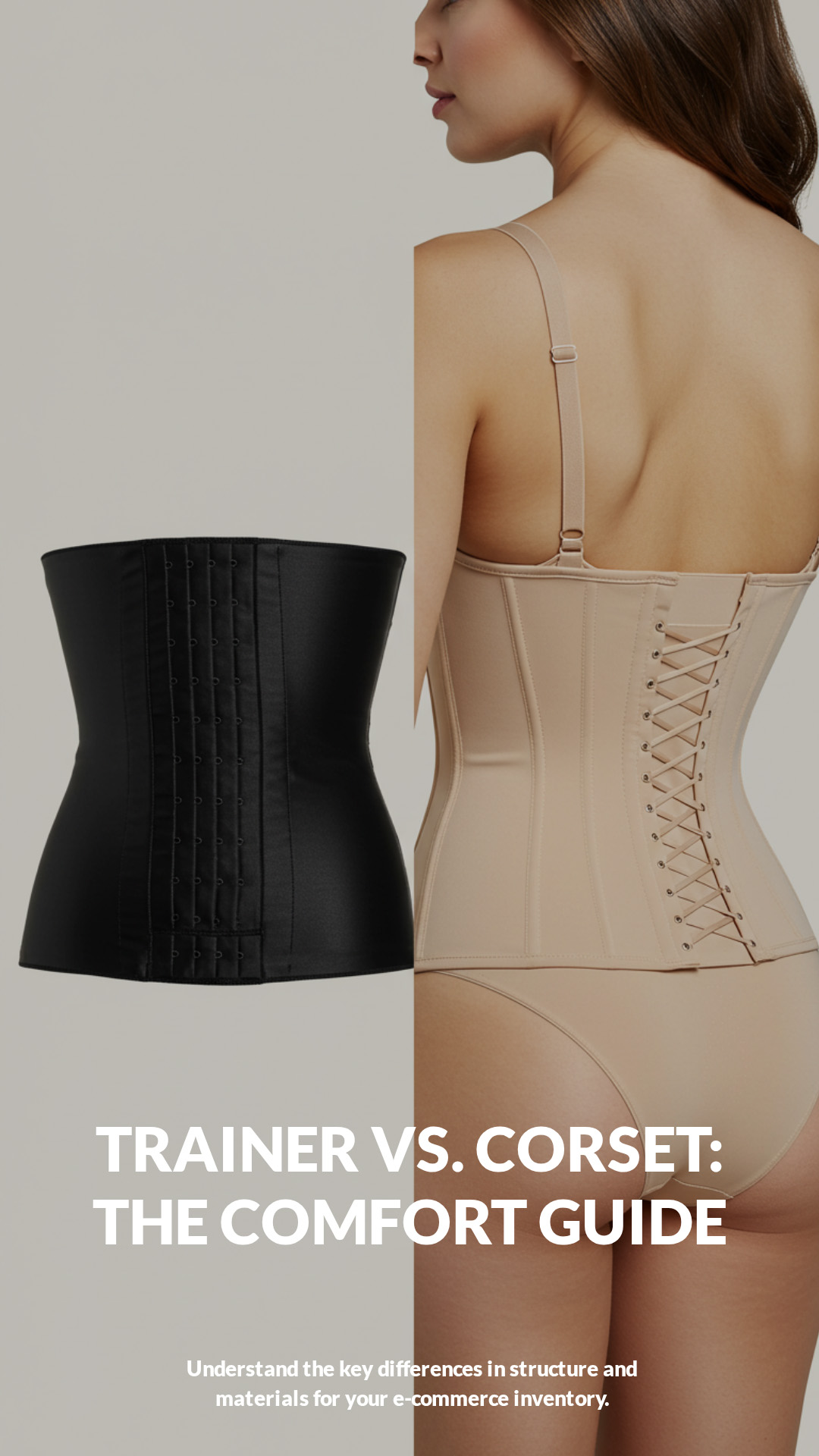
Core Structural Differences Impacting Comfort
Material Composition: Elastic Neoprene vs Rigid Steel Boning
What kind of materials go into making these garments really affects how comfortable they feel when worn. Most waist trainers today are made from stretchy stuff like neoprene mixed with some latex, which bends naturally as people move around. This gives a gentle squeeze all over without pinching anywhere specific, so folks can actually wear them for longer periods. On the flip side, traditional corsets are constructed with multiple layers of stiff fabric such as cotton twill or fancy brocade, then strengthened by steel bones running vertically through them. Sure, those metal ribs help create that hourglass shape and offer good back support, but they tend to press hard against certain spots on the body, especially around the ribs and hips. When it comes to staying cool, there's another big difference too. Many newer waist trainer designs include breathable mesh sections that let air circulate better than the thick, tightly woven fabrics found in most corsets. According to surveys, about two thirds of women find neoprene waist trainers comfortable right away, whereas corsets usually need time to mold properly to the body before feeling right.
Support Architecture: Gradual Compression vs Immediate Restriction
The foundational support systems create distinct comfort experiences:
| Support Mechanism | Waist Trainer | Corset |
|---|---|---|
| Pressure Distribution | Even circumferential compression | Targeted vertical rigidity |
| Adaptability | Stretches up to 200% with movement | Limited flexion (<15% fabric yield) |
| Body Response | Allows gradual tissue repositioning | Demands immediate anatomical adaptation |
Most modern waist trainers are made using seamless circular knitting techniques similar to what we see in premium athletic gear. These designs apply even pressure around the midsection while still allowing for natural posture adjustments throughout the day. They help keep the core engaged when someone is sitting at their desk, turning in their chair, or doing everyday tasks without making it hard to breathe properly. Traditional corsets work differently though. They have steel boning that keeps everything lined up vertically, plus diagonal lacing that really tightens things up from hips to ribs. What this creates is sort of an hourglass framework that gives excellent shape control, but many people find they can't move comfortably for long periods. Some studies suggest folks wearing corsets experience breathing restrictions about three times worse than those in more flexible options during physical activity. Looking at these differences shows what each garment focuses on: waist trainers tend to be better for all day wear, whereas corsets excel at creating dramatic shapes quickly but aren't meant to be worn for extended timeframes.
Wear Experience: Short-Term Use to All-Day Wearability
Initial Comfort and Break-In Period for Waist Trainers vs Corsets
Waist trainers tend to be pretty comfortable right away because they're made with stretchy materials that mold to the body without much fuss. Corsets tell a different story though. They need time to get used to them. Most people start off wearing theirs for about two hours at a time during the first week or two, then slowly build up how long they can handle it while tightening those laces just enough so ribs don't hurt and nothing pulls too hard on the skin. The whole thing comes down to what goes into making these things work their magic flexible stuff bends around us naturally whereas stiff stuff makes us bend around it instead.
Sustained Comfort Over 4-8 Hours: Real-World Usability Comparison
Once broken in, corsets really hold up well - the stiff bones stop them from slipping around and keep pressure steady for about six to eight hours, especially when someone is sitting at a desk most of the day. Real people who actually wear these things report feeling comfortable at their desks for longer too. About two thirds say they stay comfortable during office work compared to only about 40% with waist trainers. Why? Because there's less rubbing spots and weight gets spread out better across the body. Waist trainers do have their own perks though. They let folks move around more freely during activities like those walking meetings many offices now require. Plus they don't lock the posture into place like corsets sometimes do. Heat management makes a big difference too. The neoprene material used in waist trainers holds in about three times as much warmth as the mesh panels in corsets, which can lead to sweating after just a few hours. On the flip side, corsets actually cut down on lower back pain by around 30% when sitting for long periods, thanks to how they reinforce the spine. So what's the bottom line? If someone needs something that lasts all day and supports good posture, go with a corset. But if staying cool and moving around freely matters more, then a waist trainer might be the better bet.
Ease of Use and Fit Customization
Donning and Adjustment: Hook-and-Eye Simplicity vs Lacing Precision
Most waist trainers come with those front hooks that make putting them on so much faster than traditional corsets. People can adjust these things themselves whenever they need to during the day without any hassle at all. Traditional corsets tell another story though. They need all that careful lacing through those tiny holes, which takes time and sometimes even help from someone else just to get everything right. Sure, lacing gives really fine control over how tight things feel, but let's face it - trying to adjust while running errands or working out? Not going to happen. Plus, if someone doesn't lace properly, they end up with one side tighter than the other, which isn't comfortable at all. The difference between these two styles makes a huge impact on everyday use. Hook systems just work better when life throws curveballs and plans change last minute. Anyone who values being able to move freely throughout their day will find the waist trainer's closure system gives them a clear edge in comfort and convenience.
Mobility, Breathability, and Lifestyle Integration
Modern shapewear choices significantly impact daily movement and physiological comfort. Understanding how waist trainers and corsets differ in these dimensions is essential for sustainable, real-world wearability.
Freedom of Movement: Sitting, Bending, and Walking in Waist Trainer vs Corset
Waist trainers let people move around pretty naturally. Bending over, twisting side to side, even sitting down doesn't feel so restricted anymore. The stretchy material actually follows along with what the body does, which helps during regular stuff like getting behind the wheel, working at a desk all day, or climbing those endless office stairs. Traditional corsets tell another story though. Those old school versions with metal bones inside really limit how much someone can twist or turn. People who wear them tend to stand straighter than normal, constantly adjusting their back when they need to sit down or reach for something low. It can get uncomfortable fast if they aren't used to it. Most folks can walk normally while wearing waist trainers, but corsets create this different kind of stride where everything feels more controlled. Some women swear by the support, while others just find themselves walking like they're on display at a fashion show instead of going about their daily business.
Thermal Regulation and Skin Comfort During Extended Wear
How well something breathes makes all the difference when comparing these two options. Most waist trainers come with moisture wicking fabric inside plus mesh sections built right in to help air circulate better. These features cut down on sweating and keep skin from getting irritated even if worn all day long. Traditional corsets are made up of several thick layers including coutil fabric on the outside, inner lining, some sort of stiffener material, and channels for inserting bones. All those layers basically trap heat instead of letting it escape. People often find themselves feeling hot and sticky within just a couple hours, particularly when temperatures rise or humidity creeps up. The discomfort from excessive sweating can lead to annoying chafing issues too. Anyone who needs support throughout the entire day across different climates will likely find waist trainers much more comfortable overall because they handle body temperature so much better than their older counterparts do.
Frequently Asked Questions (FAQ)
What materials are commonly used in waist trainers and corsets?
Waist trainers are usually made from stretchy materials like neoprene mixed with latex, while corsets are constructed with multiple layers of stiff fabrics like cotton twill or brocade, strengthened by steel bones.
Are waist trainers more comfortable than corsets?
Waist trainers are generally considered more comfortable due to their stretchy material and even compression, whereas corsets can take time to break in and may feel restrictive.
How do the support structures of waist trainers and corsets differ?
Waist trainers provide even circumferential compression, whereas corsets offer targeted vertical rigidity with steel boning and lacing.
Can corsets and waist trainers be worn all day?
Corsets are generally more supportive for posture and back pain when worn for long periods but can cause discomfort when moving. Waist trainers are more suitable for free movement and daily activities.
What are the ease of use differences between waist trainers and corsets?
Waist trainers feature hook-and-eye closures for easy adjustment, while corsets require precise lacing that can be time-consuming.
Table of Contents
- Core Structural Differences Impacting Comfort
- Wear Experience: Short-Term Use to All-Day Wearability
- Ease of Use and Fit Customization
- Mobility, Breathability, and Lifestyle Integration
-
Frequently Asked Questions (FAQ)
- What materials are commonly used in waist trainers and corsets?
- Are waist trainers more comfortable than corsets?
- How do the support structures of waist trainers and corsets differ?
- Can corsets and waist trainers be worn all day?
- What are the ease of use differences between waist trainers and corsets?