
 EN
EN
Understanding Waist Trainers: Function and Biomechanics
What Is a Waist Trainer? Defining the Garment and Its Purpose
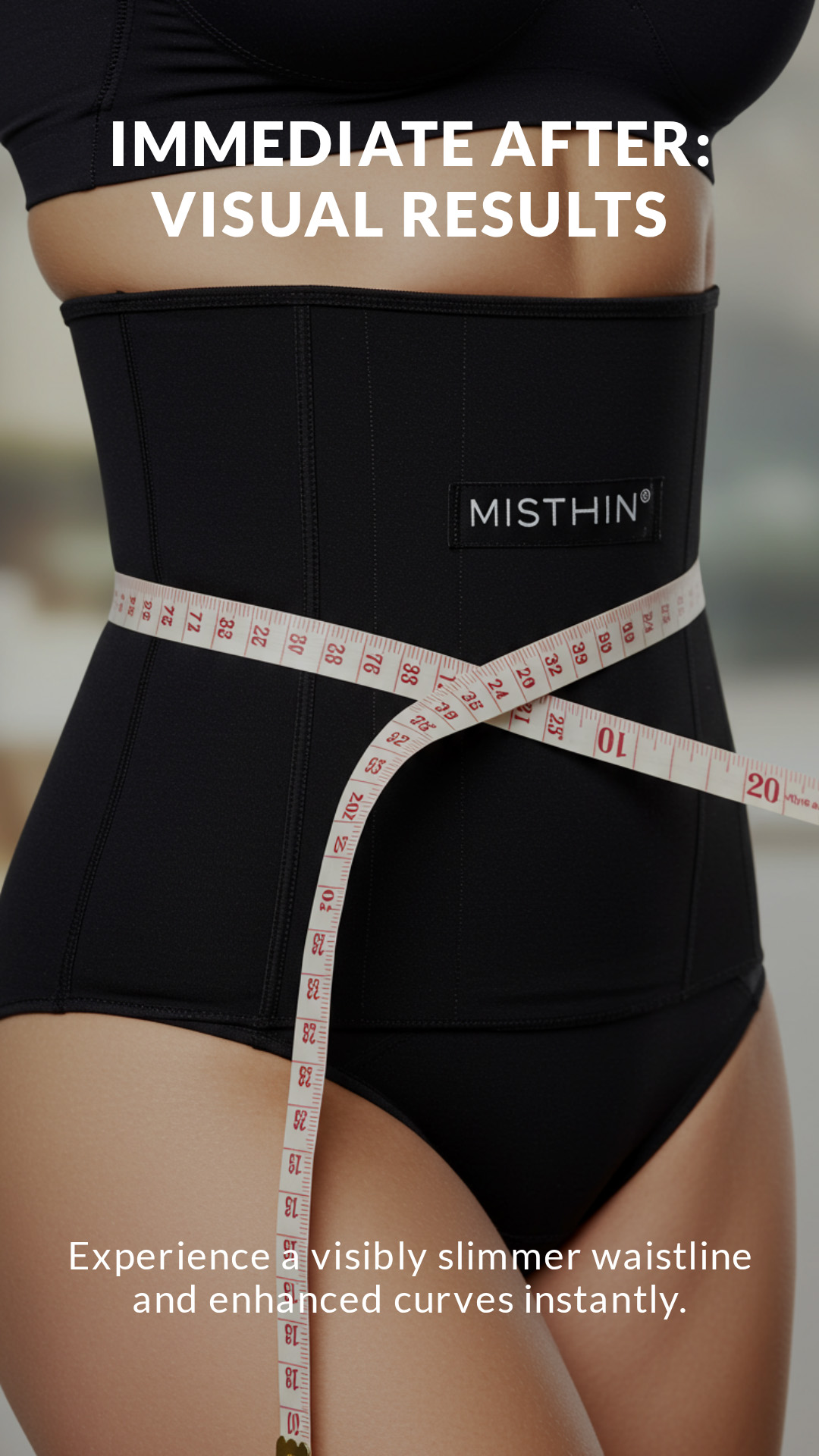
Waist trainers are basically tight compression garments crafted from stretchy stuff like latex, spandex, or nylon. Their main purpose? To give the midsection a temporary reshape. These differ from old school corsets that had those stiff bones running through them. Modern versions work by applying gentle pressure across the torso area, which helps shape the body into something closer to an hourglass figure. Think about it similar to regular shapewear that just smooths out bumps and lumps. What people see right away when wearing one is purely cosmetic though there's nothing actually changing inside the body structure wise. Most folks notice this quick visual change as sort of the starting point for any before and after photos they might take while using these products regularly.
How Do Waist Trainers Work? Compression Mechanics vs. Long-Term Shaping
Waist trainers function through biomechanical compression, applying pressure to reduce waist circumference by shifting abdominal tissue upward and downward. During wear, this:
- Temporarily repositions internal organs
- Compresses subcutaneous fat layers
- May limit rib cage expansion with prolonged, tight use
The idea that these things can permanently reshape our bodies just isn't backed up by real science. A big review published last year in Sports Medicine looked at all the available data and basically concluded that wearing compression gear doesn't actually boost metabolism or help burn fat. Want something that lasts? Well, folks would need to wear them constantly for years on end. But doctors generally tell patients against this approach because there are serious health concerns involved. Prolonged use might interfere with how organs work properly and could even limit breathing capacity over time.
Waist Trainer Before-After Results: What to Expect and When
Typical Timeline for Visible Waist Trainer Before-After Changes
People usually notice some changes right after they fit things properly. After wearing them consistently for about one to two weeks (starting off with just an hour or two and working up to six or eight), folks tend to see temporary slimming effects because fluids get redistributed and posture improves naturally. Around four to eight weeks in, there might be some subtle improvements in body contours too, particularly if someone does some core exercises and stays well hydrated. Past that timeframe though, long term success really comes down to how well these items become part of everyday life since compression garments by themselves won't create lasting changes without other healthy habits supporting them.
Key Factors Affecting Results: Body Composition, Frame, and Lifestyle
Results vary significantly based on individual physiology and habits:
- Body Composition: Higher visceral fat reduces visible impact compared to those with more subcutaneous fat, which responds better to compression
- Skeletal Frame: A wider ribcage or narrow pelvis can limit the potential for dramatic hourglass shaping
- Lifestyle: Consistency in wear is most effective when combined with caloric control and exercise—research shows core-strengthening routines enhance results by up to 30%
Medical experts emphasize that any observed changes are temporary and reversible once the garment is removed.
Do Waist Trainers Actually Work? Evaluating Evidence vs. Hype
Current clinical research does not support permanent waist reduction from waist training. Key findings include:
- Compression temporarily redistributes tissue and fluids, with effects reversing shortly after removal
- No peer-reviewed studies confirm fat loss or structural ribcage modification from waist trainer use alone
- Perceived benefits often stem from improved posture and reduced appetite due to abdominal pressure, promoting mindful eating
Sustainable waist shaping depends on integrated health strategies. Evidence shows that targeted exercise and nutrition yield three times greater long-term results than passive compression.
Safe and Effective Waist Training: Best Practices for Beginners
Achieving meaningful waist trainer before-after changes requires a structured, health-first approach. Prioritizing safety prevents complications while supporting gradual progress.
Starting Right: Proper Fit, Wear Time, and Avoiding Health Risks
Start off wearing the trainer for about an hour or two each day while getting used to it. Get measured at the right spot around the waist so it fits tight enough without feeling uncomfortable all over the place. Remember, the compression shouldn't make breathing hard or hurt anywhere. If someone starts feeling numb, dizzy, or just plain uncomfortable, they need to stop wearing it right away. Drink plenty of water throughout the day since working out makes people sweat and lose fluids. Don't try to sleep in regular waist trainers either unless they come with instructions saying they're okay for nighttime use. Following these basic rules helps prevent organs from getting squished and makes building good habits actually work instead of causing problems down the road.
Gradual Progression: Building Tolerance Without Overexertion
Around week two or three, start extending the time worn by about half an hour each 3 to 4 days until reaching around 6 to 8 hours per day max. Take short breaks every hour or so to get blood flowing again and avoid those nagging muscle aches. Mixing in some basic core work such as planks can help build strength over time without putting too much pressure on the body. Listen to what the body says though nobody should push through exhaustion. Giving the body proper rest between sessions is just as important as the actual training itself. Going slow with gradual increases really helps prevent issues like compressed ribs while allowing the muscles to adapt properly in the long run.
Maximizing Waist Trainer Before-After Outcomes with Healthy Habits
Combining Waist Training with Nutrition and Core Exercise
Real results from waist training don't happen overnight unless paired with good habits overall. These belly bands might help improve posture a bit and some people report feeling fuller faster when wearing them, but nobody suggests putting one on for intense gym sessions. A study published in the Journal of Sports Science back in 2022 found something interesting about compression wear during workouts it actually limits how well we breathe and makes our core muscles work differently than normal. So while these products have their place, expecting dramatic transformations without proper diet and regular exercise is setting oneself up for disappointment.
Instead:
- Perform core-strengthening exercises such as planks and Pilates without the trainer to maximize muscle engagement
- Prioritize hydration and a balanced diet rich in fiber and lean protein
- Track progress weekly using consistent waist measurements to monitor changes objectively
Long-term success stems from consistency in nutrition, exercise, and mindful wear—not reliance on compression alone. When used as a supportive tool within a holistic health plan, waist trainers can contribute to a more defined silhouette—without compromising well-being.
FAQ Section
Q: Are waist trainers effective for long-term weight loss?
A: Waist trainers provide temporary shape correction and do not aid in long-term weight loss. Permanent results require integrated strategies like diet and exercise.
Q: Can waist trainers cause health problems?
A: Improper use or extended wear can lead to health issues such as reduced breathing capacity or organ displacement. Ensuring correct use and monitoring bodily responses can help mitigate risks.
Q: How long should I wear a waist trainer daily?
A: Beginners should start with 1-2 hours and gradually increase to a maximum of 6-8 hours per day, ensuring rest and avoiding overnight use.