
 EN
EN
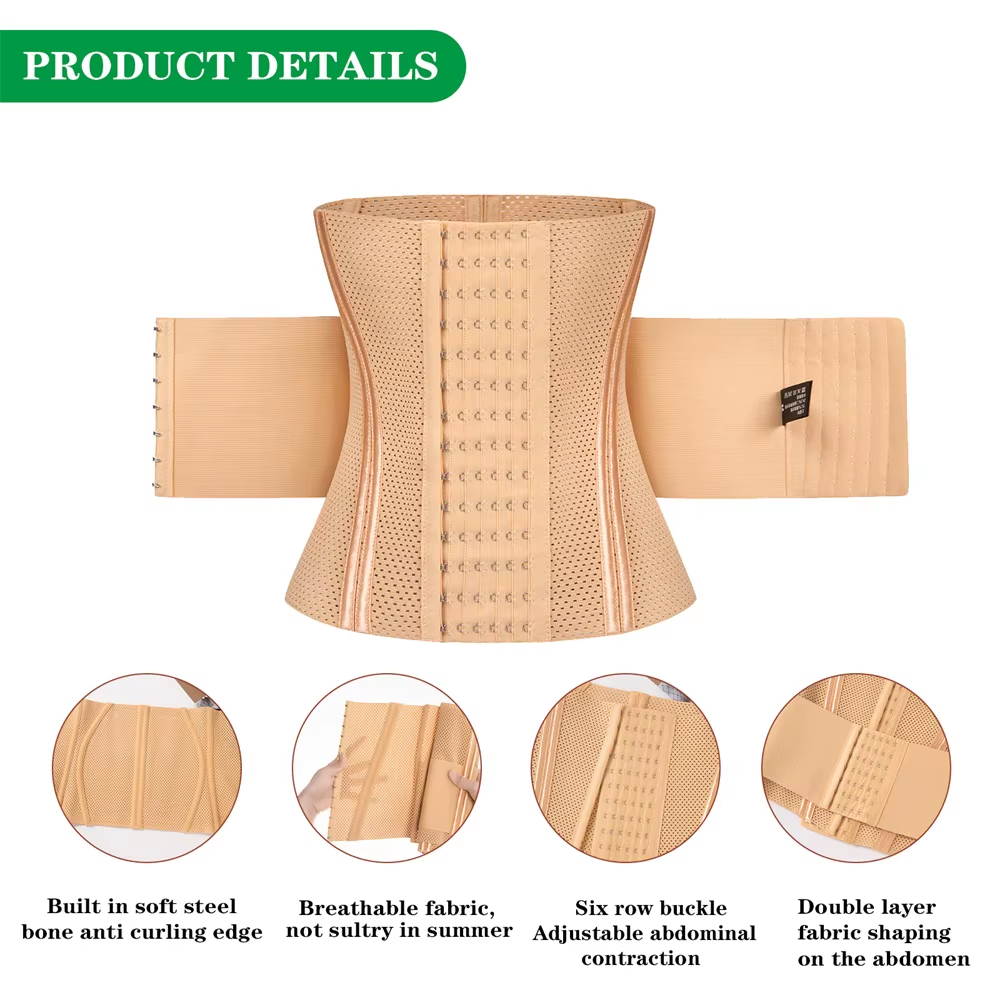
Understanding Waist Trainers and Their Core Benefits
What Are Waist Trainers and How Do They Work?
Waist trainers basically work as tight compression wear that can give the waist area a temporary reshaping effect by applying controlled pressure around the torso. Most look similar to old fashioned corsets, made with stiff stuff like steel bones and extra thick fabric panels that push the softer body tissues upwards and inwards, which makes people look slimmer right away. What sets them apart from regular shaping clothes is that they actually need some effort from the wearer. Some newer designs even get hotter when someone exercises in them, making sweat production go up during workouts. This added heat factor has become pretty popular among those looking for quick results.
The Science Behind Compression and Waist Shaping Benefits
Research indicates consistent compression (8–12 hours daily for 4–8 weeks) can yield measurable waist reductions. A 2023 study on compression garments showed a 1.5" average decrease in waist circumference among regular users. This occurs through:
- Temporary fat redistribution: Compression limits subcutaneous fat expansion
- Postural adaptation: Forced thoracic alignment reduces "slouching belly" appearance
- Thermal effects: Neoprene models raise core temperature by 2–3°F, potentially aiding water weight loss
Tummy Control and Hourglass Figure Enhancement Explained
Modern waist trainers combine medical-grade latex with anatomical shaping to target specific areas:
| Area Targeted | Compression Technique | Visible Effect Timeline |
|---|---|---|
| Lower abdomen | Layered hook-and-eye closures | Immediate (1–2 hours) |
| Love handles | Diagonal steel boning | 2–3 weeks of daily use |
| Rib cage | Flexible spiral stays | 6–8 weeks for semi-permanent shaping |
This tiered compression approach helps create the coveted hourglass silhouette by simultaneously narrowing the waist and supporting the lower back.
Posture Improvement and Back Support: A Hidden Advantage
Around 78% of participants in a recent ortho study said they felt less lower back pain after wearing a waist trainer daily for about a month. These trainers have that semi rigid stuff around them which actually works those back muscles responsible for keeping the spine straight, kind of like how posture braces work but built into clothing. That's why so many people find these things helpful. Office folks who spend all day slumped over desks, new moms trying to get their cores back in shape after childbirth, and gym enthusiasts looking for extra support when lifting heavy weights all seem to benefit from this sort of thing. When shopping around, look for ones where the pressure gets stronger towards the bottom but stays lighter near the rib area. This helps keep breathing normal instead of making it hard to take deep breaths when upright.
Key Features to Look for in a Quality Waist Trainer
Materials Matter: Latex, Neoprene, and Steel Boning for Durability
The best waist trainers mix tough materials with just the right amount of pressure where it matters most. Latex lets people move around comfortably during daily activities, whereas neoprene actually traps body heat which can help during exercise sessions. The steel bones inside these garments give them structure but still allow freedom of movement something really important if someone wants their waist trainer to keep working properly after repeated use. According to some tests on fabric strength, those waist trainers made with steel coils tend to hold their shape about 40 percent better than ones using plastic components over months of regular wearing. That makes sense when thinking about long term investment versus cheaper options that might need replacing sooner.
Adjustable Fit: Closures, Layering, and Compression Levels
Hook-and-eye closures or Velcro straps that accommodate 2–4 sizing increments allow for personalized tightness and progression. Layering capabilities support gradual transition from light (6–8 hours daily) to moderate compression. Triple-panel designs reduce skin irritation by 33% while improving core engagement, based on a 2023 ergonomic apparel study.
Comfort Essentials: Breathability, Flexibility, and All-Day Wear
Moisture-wicking linings prevent chafing during extended use, while perforated panels enhance airflow by 50% in high-sweat zones. Flexible waist trainers with articulated seams adapt to sitting and bending—key for office workers or active lifestyles.
Balancing Cosmetic Benefits and Medical Considerations
While waist trainers enhance silhouette temporarily, prolonged tight-lacing may weaken core muscles. Consult a physical therapist if using for postural correction or postpartum recovery. Intermittent use (under 8 hours/day) minimizes risks while achieving cosmetic goals.
How to Measure and Size Your Waist Trainer Correctly
Step-by-Step Guide to Measuring Your Natural Waist
Find where your natural waist sits somewhere around halfway between the bottom of your ribs and the top of your hips, usually right about where your navel is located. When taking measurements, stand straight up and let out a small breath before placing a flexible measuring tape against bare skin or just one thin layer of clothes if needed. The tape should run flat across the floor level and fit comfortably without digging into the body. Small mistakes matter quite a bit actually. A recent study showed that even a centimeter off can drop measurement accuracy down nearly 20 percent. Getting this right isn't just about fashion fit either, it affects how well certain medical assessments work too.
Using Size Charts Across Brands Accurately
The sizing for waist trainers can be all over the map depending on who makes them. Take it from experience - what counts as medium for Brand X might actually measure around 70 to 75 centimeters, whereas Brand Y considers their medium anything between 75 and 80 cm. Don't just go by those generic size labels when shopping. Always check against each brand's own sizing chart first. Some research indicates that nearly half (about 43%) of people end up with wrong sizes at first because there's no real standard across the industry. That's why looking at specific brand measurements really matters if we want to avoid disappointment later on.
Why Proper Fit Is Crucial for Safety and Effectiveness
Waist trainers that don't fit properly can actually do more harm than good. They might cut off blood flow, make it hard to breathe deeply, or rub the skin raw over time. According to some recent research from textile safety experts in 2024, when these compression clothes are too tight they raise pressure inside the belly area by around 26%. That kind of pressure isn't just uncomfortable either it can lead to problems like heartburn and trouble getting enough air into the lungs. On the flip side, something that fits right works much better. A well made waist trainer supports proper posture, helps activate the core muscles, and even affects body temperature regulation. These benefits all contribute to slowly reshaping the waistline while avoiding those nasty side effects we mentioned earlier.
Types of Waist Trainers: Styles, Uses, and Best Applications
Overbust, Underbust, and Mid-Length Fajas Compared
Waist trainers that go over the bust area give total torso compression, which works great for wearing with formal dresses or fancy evening outfits. The underbust versions stay beneath the chest so women can still wear regular bras underneath, making them good choices for everyday situations where people want to shape their waist throughout the day. There's also mid length options called fajas that stretch from the hips up to just below the rib cage. These offer decent body shaping without restricting movement too much, perfect for office environments where comfort matters as much as appearance. According to recent market research published last year, around two thirds of all shapewear buyers opt for underbust styles when getting dressed each morning because they work well with different types of clothing and aren't too restrictive.
Latex Cinchers vs. Neoprene Shapers: Which Is Right for You?
Waist trainers made from latex tend to breathe better and offer good compression that moves with the body when worn for long periods. On the flip side, neoprene versions trap heat which makes people sweat more during exercise sessions, though they can get pretty uncomfortable if someone wears them all day for eight hours straight sometimes. When looking at posture support options, those special latex designs with steel boning inside actually give much better structural backing compared to regular ones. Neoprene still works well enough for intense workouts because it stretches so easily. Just remember to check for hypoallergenic labels before buying anything since both materials might cause rashes on sensitive skin after repeated use.
Everyday Wear vs. Post-Workout and Postpartum Waist Trainers
Waist trainers meant for everyday wear tend to focus on breathable materials such as cotton mixtures along with bendy boning so they don't feel restrictive all day long. For those working out, there are special versions made from neoprene that pulls away sweat plus adjustable straps that help keep the core stable when recovering after exercise sessions. Women who have recently given birth often look for waist trainers designed specifically for postpartum recovery. These typically offer what's called graduated compression around 20 to 30 mmHg which helps support the belly area healing process without putting too much pressure on any C-section scars. Most experts agree it's wise to check with an OB-GYN before trying these out, particularly within the first few weeks following childbirth since everyone's body recovers differently.
Safe Usage Tips and Long-Term Care for Optimal Results
Gradual Wearing Schedule and Body Adjustment Strategy
Start with 1–2 hours of daily wear, increasing by 30–60 minutes every three days until reaching a maximum of 8–10 hours. This phased approach helps prevent rib discomfort or breathing restrictions reported by 41% of first-time users (American Board of Cosmetic Surgery 2023). Key milestones:
- Days 1–3: Basic posture correction
- Days 4–7: Light activity tolerance
- Week 2+: Full-day wear capability
Maximizing Results with Exercise, Nutrition, and Core Engagement
Pair waist training with targeted workouts like planks and Russian twists to amplify core muscle engagement by 28% (Journal of Fitness Research 2022). Maintain a protein-rich diet (1.2–1.6g per kg body weight) to support abdominal fat loss while preserving muscle tone. Avoid high-sodium foods that counteract compression benefits through water retention.
Avoiding Overuse: Warning Signs and When to Rest
Stop use immediately if you experience numbness in extremities, acid reflux lasting more than two hours, or visible skin discoloration. Industry professionals recommend 1–2 rest days weekly to prevent intercostal muscle strain and allow lymphatic system recovery.
Cleaning, Storing, and Extending the Lifespan of Your Waist Trainer
Washing these items with gentle soap after about three to four wears works best, then let them dry naturally without exposure to direct heat sources. This helps maintain the stretchiness of both latex and nylon materials. When storing, keep them either flat or rolled inside breathable cotton pouches. Steel boning that gets folded loses around 18 percent of its tension strength each month if not stored correctly, whereas properly maintained pieces only lose about 4 percent according to Textile Engineering Reports from last year. Rotating through different pairs actually cuts down on fabric wear and tear by roughly thirty percent over time, so consider building a small collection rather than relying on just one pair consistently.
FAQ
What are waist trainers?
Waist trainers are tight compression garments designed to temporarily reshape the waist area by applying pressure around the torso. They resemble old-fashioned corsets but are made with modern materials like steel bones and thick fabric panels.
How do waist trainers help with posture?
Waist trainers support the lower back by forcing thoracic alignment and working the back muscles responsible for keeping the spine straight, similar to posture braces.
Are there different types of waist trainers?
Yes, waist trainers come in different styles such as overbust, underbust, and mid-length fajas. Each type has specific uses and benefits for different occasions and clothing types.
How should I measure myself for a waist trainer?
Measure your natural waist, located halfway between the bottom of your ribs and the top of your hips. Use a flexible measuring tape and ensure it fits comfortably without digging into your skin.