
 EN
EN
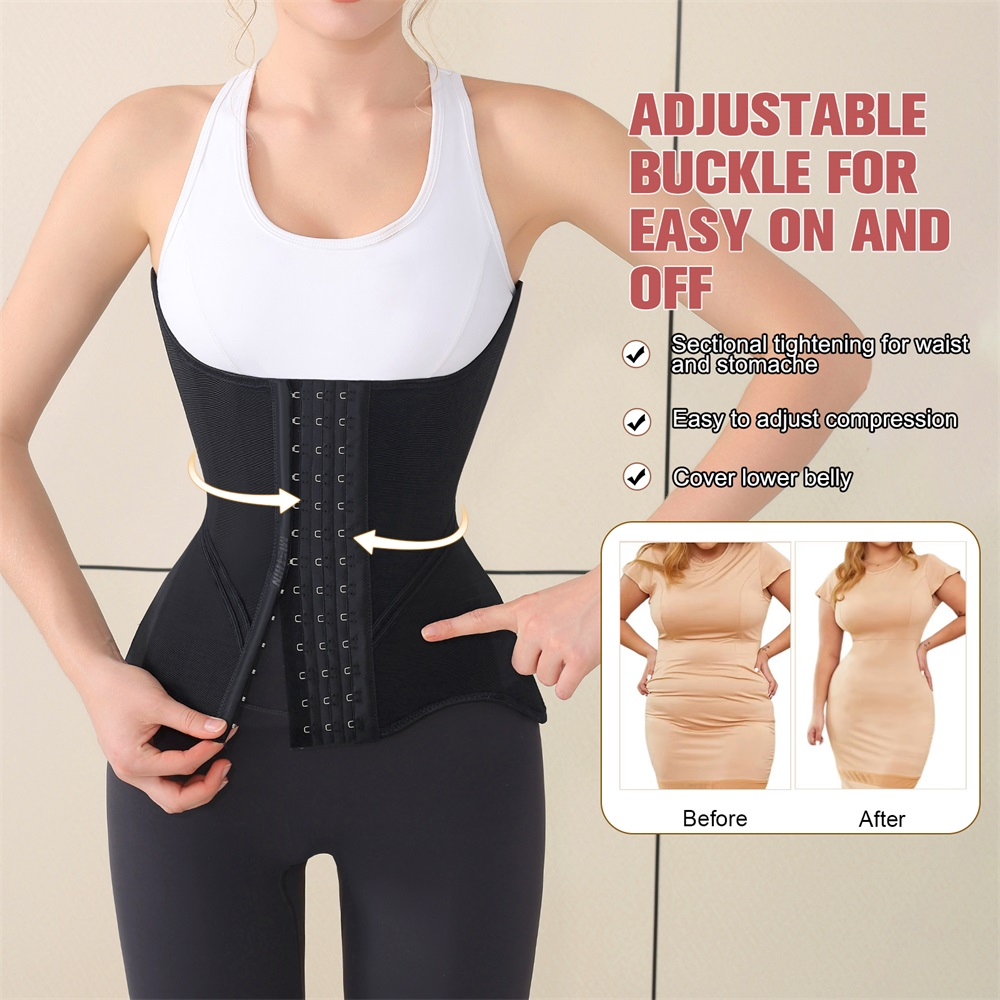
Common and Long-Term Health Risks of Waist Trainer Shaper Use
Short-term side effects commonly reported by users
People who wear waist trainers frequently report several immediate issues like skin irritation where the fabric rubs against their body, trouble breathing properly, and stomach problems afterward. When someone tightens their waist too much, it pushes stomach acid back up into the esophagus which causes that burning feeling we all know as heartburn. The Hospital for Special Surgery did some studies showing this connection between compression and digestive troubles. Many users also notice strange sensations such as numbness along their ribs or even feeling dizzy when they move around while wearing these devices, particularly if they try to exercise or do anything physically demanding.
Long-term health implications of prolonged waist trainer shaper wear
Long term wearing might actually push organs out of place, shrink lung space, and weaken those important core muscles we all rely on. When someone wears really tight shaping clothes for hours on end, it puts constant pressure on the body inside. This squeezing effect can mess with how the kidneys work, slow down digestion, and even affect liver function according to what WebMD has reported before. The problem gets worse over months or years because people stop using their own core muscles properly when they depend too much on external support from these kinds of garments. Eventually this leads to muscle wasting since the body isn't getting the exercise it needs to stay strong.
Medical consensus on the safety of waist trainer shapers
Healthcare professionals consistently advise against extended use. The Royal College of Surgeons warns that rigid compression garments may deform the rib cage, while gastroenterologists highlight increased risks of GERD. Current guidelines recommend limiting wear to 2-3 hours for special occasions rather than daily shaping.
Effects on Core Strength and Spinal Health
How Waist Trainer Shapers Contribute to Spinal Misalignment and Discomfort
Wearing these items for long periods can twist the spine out of its normal alignment, putting constant strain on those little discs between the vertebrae and stretching ligaments beyond their comfort zone. Recent studies from last year showed something pretty alarming too - around two thirds of people who wore them regularly every day ended up with noticeable changes in how they stood after just half a year. The stiff construction basically locks the torso in place, making it hard to turn properly which then puts extra work on the lower back muscles. This kind of overload doesn't just feel uncomfortable either; it actually raises chances of getting those painful disc issues we all hear about. And here's another thing worth considering: when someone relies on tight clothing instead of doing actual strengthening exercises, they're basically training their body to depend on outside support rather than building up those important core muscles that keep the spine healthy naturally.
Weakening of Core Muscles Due to Dependency on Compression
People who regularly use these devices experience about a 30 to 45 percent drop in how much their transverse abdominis and oblique muscles actually work compared to those who don't use them at all (Journal of Sports Medicine found this in 2022). When these core muscles aren't properly engaged, it throws off the body's ability to coordinate movements during activities like bending over or twisting around. Most physical therapists will tell patients that real core strength isn't built through just sitting there compressed, but requires actively working those muscles instead. A recent look into spinal health backs this up pretty well too. Researchers observed that our bodies start losing important sensory information when we rely on outside supports instead of letting our muscles do what they're meant to do naturally.
Case Study: Physical Therapy Outcomes in Chronic Waist Trainer Users
A 12-week rehabilitation program for 25 chronic users demonstrated:
| Treatment Phase | Muscle Activation Improvement | Pain Reduction |
|---|---|---|
| Initial 4 weeks | 18% | 22% |
| Final 8 weeks | 42% | 67% |
Participants regained functional strength through planks and pelvic tilts, but 64% required ongoing therapy for residual nerve hypersensitivity, underscoring the long-term neuromuscular consequences of dependency.
Respiratory, Circulatory, and Digestive System Impacts
Restricted Breathing and Reduced Lung Capacity from Abdominal Compression
Waist trainers limit ribcage expansion and diaphragm movement, reducing lung capacity by up to 30% during inhalation. This impairs oxygen intake and can cause dizziness, fatigue, and decreased exercise performance. A 2023 ergonomics study found that 68% of users reported shortness of breath after four hours of continuous wear.
Circulatory Issues and Nerve Compression Caused by Tight Shapewear
Persistent midsection compression increases intra-abdominal pressure, restricting blood flow and contributing to venous stasis-raising the risk of deep vein thrombosis. Nerve entrapment, such as meralgia paresthetica, affects 12% of daily users, according to neuromuscular research.
Internal Organ Pressure and Digestive Problems Linked to Waist Trainer Shapers
Compression displaces the stomach, intestines, and liver, slowing gastric emptying and bowel motility. A 2023 gastroenterology report showed a 40% increase in bloating and constipation among frequent users compared to non-users.
Acid Reflux, GERD, and Other Gastrointestinal Symptoms in Frequent Users
Increased abdominal pressure pushes stomach acid into the esophagus, worsening gastroesophageal reflux disease (GERD). A clinical trial found that 57% of participants experienced aggravated acid reflux after eight weeks of daily use. Limiting wear to short intervals is advised to reduce this risk.
Skin and Nerve Complications from Prolonged Waist Trainer Use
Skin Irritation, Rashes, and Infections Due to Extended Wear
Wearing shapewear for long periods sets the stage for all sorts of skin troubles. According to research on fabric safety, about 58% of people who wear these garments every day end up with macerated skin because synthetic fabrics trap sweat and create friction against the body. The stiff inner seams can cause painful blisters and uncomfortable heat rashes, plus when oxygen levels drop inside the garment, bacteria and fungi start growing unchecked. Anyone putting on their favorite shaping piece for over eight hours straight is three times more likely to develop itchy folliculitis or fungal infections than someone who wears them occasionally. Dermatologists suggest adding a layer of breathable cotton underneath and keeping each wearing session between two to four hours maximum if possible, which helps avoid most of these issues altogether.
Meralgia Paresthetica: Nerve Damage Associated With Tight Waist Trainers
The lateral femoral cutaneous nerve gets compressed quite often these days, especially among people who wear waist trainers regularly. This issue was actually first noticed back in 1911 when women started wearing tight corsets. The main symptoms include numbness, a burning sensation, or tingling feelings along the outer part of the thigh. About one third of regular waist trainer users experience these problems within just six months. For around 18 percent of those affected, the discomfort turns into something much worse - chronic nerve pain that might require steroid shots or even surgical treatment. Looking at data from a study published in 2020, most folks saw improvement after stopping their waist training for about two months. That's why catching this problem early makes all the difference.
Guidelines for Safer Use and Effective Alternatives
Healthcare provider recommendations for minimizing risks
Physicians advise consulting a healthcare provider before using waist trainers, especially for those with acid reflux, circulatory disorders, or spinal issues. Physical therapists recommend limiting wear to under three hours with gradual acclimation. Obstetricians universally discourage use during pregnancy due to risks of uterine compression.
Safe duration, fit, and frequency: Key usage guidelines
Getting the right fit means leaving about an inch of space between the body and clothing while lying flat on back. Most experts recommend wearing these items no more than three days each week, taking at least half hour off for every ninety minutes worn. Never wear them overnight! Recent research from the Journal of Posture Research back in 2023 showed something pretty alarming actually. Nearly two thirds of people who tried sleeping in their shaping clothes ended up having trouble breathing at night and needed doctor visits. Makes sense why so many health professionals warn against this practice.
Better alternatives to waist trainer shapers for core shaping
- Targeted exercises: Plank variations strengthen the transverse abdominis without organ compression
- Posture trainers: Adjustable thoracic braces improve alignment (89% efficacy in a 6-month clinical trial)
- Breathable compression: Moisture-wicking medical-grade garments offer mild support during physical activity
- Nutrition counseling: Supervised programs produce three times greater waist reduction than shapewear alone, per Mayo Clinic guidelines
FAQ
What are the short-term side effects of wearing a waist trainer?
Immediate side effects include skin irritation, trouble breathing, stomach problems, numbness, and dizziness, particularly during physical activities.
How can long-term use of waist trainers affect my health?
Long-term use can push organs out of place, reduce lung capacity, weaken core muscles, affect kidney and liver function, and lead to muscle wasting.
Are waist trainers safe according to healthcare professionals?
Healthcare professionals advise against extended use due to health risks such as deformed rib cages, increased GERD risks, and muscle dependency.
How do waist trainers impact your core and spinal health?
They can cause spinal misalignment, discomfort, and a significant weakening of core muscles due to dependency on external support rather than actual muscle engagement.
Can waist trainers cause skin and nerve issues?
Yes, they can lead to skin irritation, rashes, infections, and nerve damage such as meralgia paresthetica due to prolonged wear and tight compression.
What are the medical recommendations for using waist trainers safely?
Consult a healthcare provider beforehand, limit wear to under three hours, and avoid use during pregnancy. Ensure proper fit, and never wear them overnight.
What are some alternatives to waist trainers?
Alternatives include targeted exercises like plank variations, posture trainers, breathable compression garments, and nutrition counseling.
Table of Contents
- Common and Long-Term Health Risks of Waist Trainer Shaper Use
- Effects on Core Strength and Spinal Health
- Respiratory, Circulatory, and Digestive System Impacts
- Skin and Nerve Complications from Prolonged Waist Trainer Use
- Guidelines for Safer Use and Effective Alternatives
-
FAQ
- What are the short-term side effects of wearing a waist trainer?
- How can long-term use of waist trainers affect my health?
- Are waist trainers safe according to healthcare professionals?
- How do waist trainers impact your core and spinal health?
- Can waist trainers cause skin and nerve issues?
- What are the medical recommendations for using waist trainers safely?
- What are some alternatives to waist trainers?