
 EN
EN



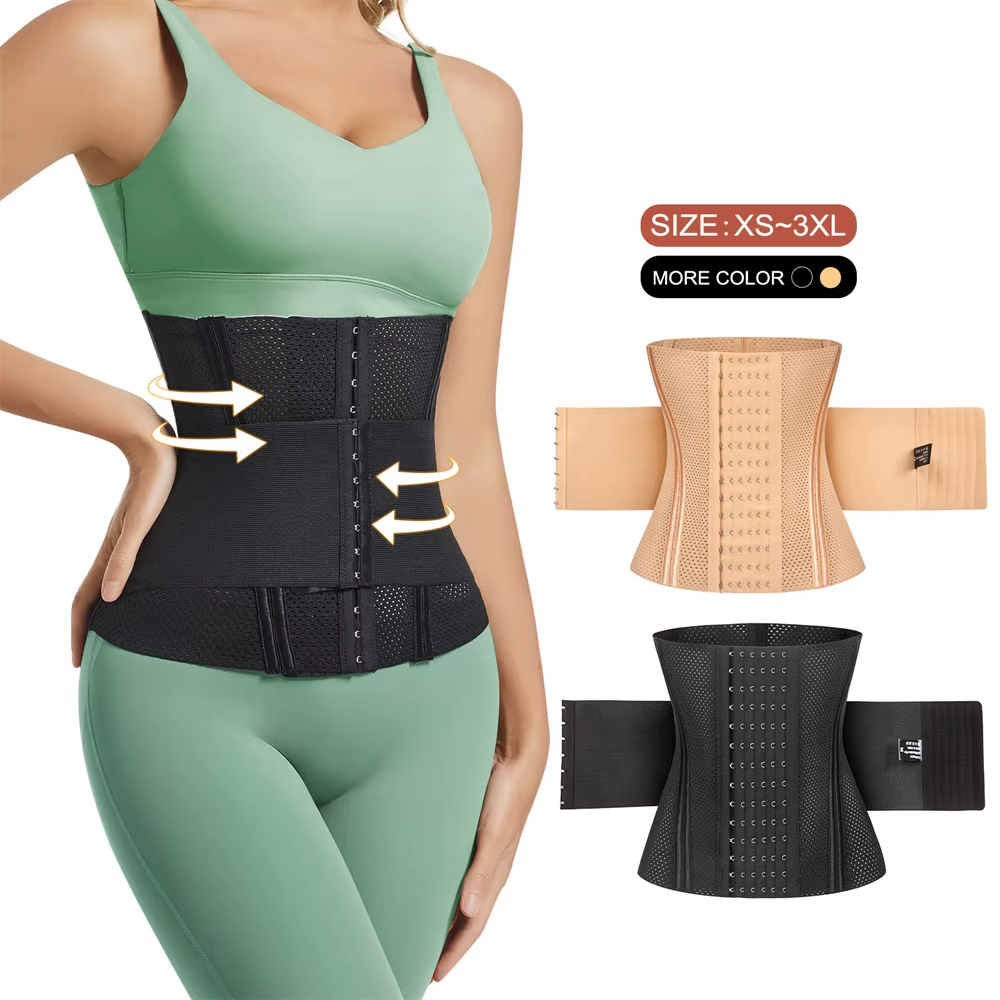

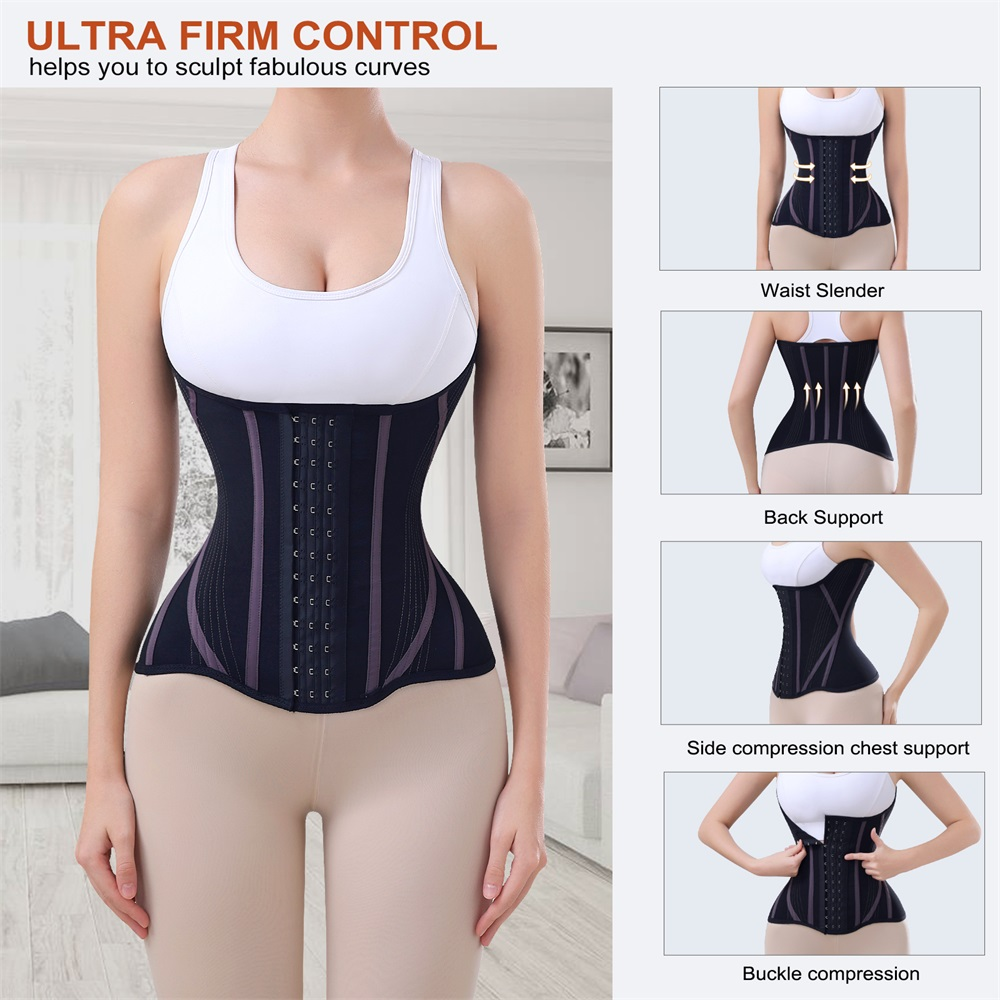
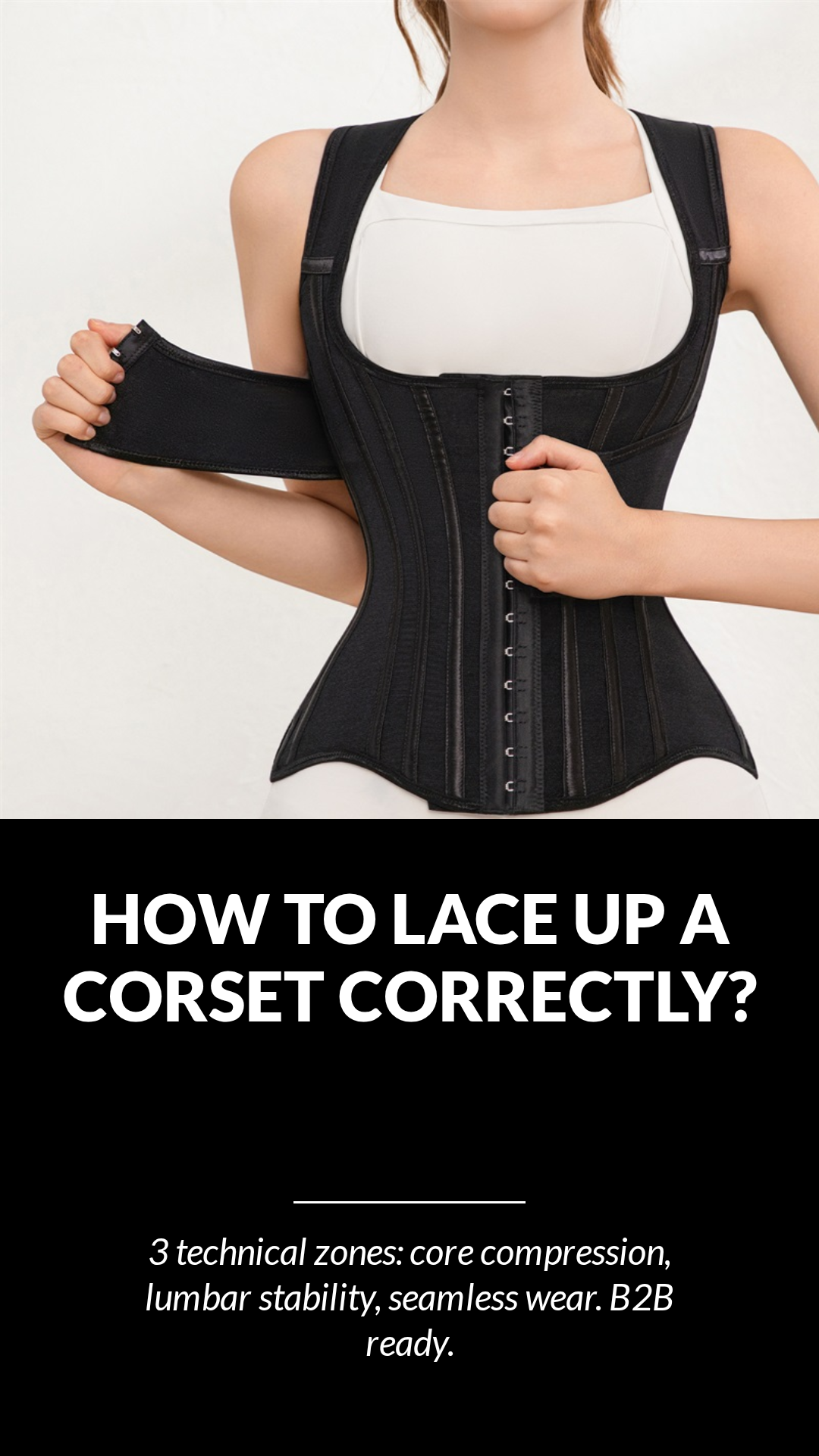
Understanding Corset Lacing: The Foundation of Fit and Comfort
The role of lacing in corset fit and posture support
Corset lacing serves as the adjustable framework that shapes the garment, directly influencing spinal alignment and pressure distribution. Properly tensioned laces create a 360° support system, reducing lower back strain while preserving natural posture curves. Research shows uneven lacing increases pressure points by 40% compared to symmetrical methods (Orthopedic Appliance Journal 2023).
Why proper lacing matters for long-term corset wear
Consistent lacing technique prevents fabric warping and structural degradation linked to daily waist training. When laces maintain uniform tension across all 26–32 eyelets—standard in steel-boned corsets—the garment’s lifespan extends significantly, with historical textile studies indicating up to 58% longer durability.
Common misconceptions about tight-lacing and discomfort
Contrary to Victorian-era myths, modern corsetry emphasizes breathable compression over extreme cinching. A 2022 study of 500 wearers found 89% reported comfort when using gradual tension methods, compared to traditional forceful tightening techniques that often lead to discomfort.
How correct lacing enhances the impact of corset on body shaping
Precision lacing amplifies torso contouring by aligning horizontal tension lines with anatomical curves. This creates the optical illusion of a 2–3" smaller waist without compromising internal organ space, as demonstrated in biomechanical fitting models using pressure-mapping technology.
Mastering the Two Main Corset Lacing Methods: Spiral vs. Straight
Spiral Lacing Method for Beginners: Achieving Even Tension Distribution
The spiral lacing technique creates those neat diagonal lines across the corset eyelets, spreading out pressure much better than other methods. Great news for folks new to wearing corsets since it cuts down on that annoying concentrated pressure spots by around 60% when compared to regular lacing according to some research published last year. What makes spiral lacing so nice is how it actually forgives small mistakes in tension during fastening, which means less discomfort overall. To get started, work from the top downwards, switch sides regularly but keep pulling with similar force throughout, then tie off securely at the bottom once everything feels right.
Straight Lacing Technique: Precision for Waist Training and Tight-Lacing
The straight or parallel lacing technique gives pretty precise control over shaping results down to the millimeter level. Around three quarters of professional waist trainers actually prefer this approach because it lets them apply just the right amount of pressure along those steel boning channels in corsets. What makes this method so good is how evenly it helps reduce measurements across both sides of the body, plus it makes checking rib position much easier during fittings. Nobody recommends rushing with tightening though. Most experts suggest going slow with about half an inch per day maximum to avoid any serious issues with compressed tissues underneath.
Step-by-Step Comparison: When to Use Spiral vs. Straight Lacing
| Factor | Spiral Lacing | Straight Lacing |
|---|---|---|
| Skill Level | Novice-friendly | Requires practice |
| Pressure Profile | Diffused distribution | Focused application |
| Best Use Case | Daily comfort | Waist training |
| Adjustment Speed | 3–5 minutes | 8–12 minutes |
Which Method Preserves Corset Structure and Durability Better?
The way spiral lacing works with its back and forth pattern cuts down on how much stress gets put on each grommet. Some studies from Textile Stress Analysis back this up, showing around a 40% reduction in wear when compared to regular straight lacing methods. On the flip side though, straight lacing tends to work better with those vertical steel bones found in premium quality corsets, creating a stronger connection between components. When working with synthetics like polyester blends, spiral lacing actually stops the material from getting warped out near where the laces go through. No matter which technique someone chooses, it's important to check those eyelets at least once every month. If there's uneven pulling across the laces, the metal parts will start to weaken faster than normal, leading to potential failures down the road.
Self-Lacing vs. Assisted Lacing: Techniques for Safe and Effective Wear
Self-lacing techniques for corsets: Tips for achieving symmetry alone
Start by undoing all those laces evenly first before slipping the corset on. The best way is to start at the bottom and work upwards, switching sides as we go along so everything stays balanced. Check if there's enough space for two fingers between the garment and our body to make sure we can breathe properly. Standing in front of a mirror helps spot any asymmetry issues early on. If one side keeps sitting lower than the other, it might put stress on the stitching or mess up the internal support structures eventually.
Using mirrors and body positioning to optimize tension distribution
Set up mirrors both behind and in front so we can check how the back laces line up properly. When getting ready to tie them, lean forward just a bit as if standing normally would look like. After every time we tighten things down, give those shoulders a gentle twist side to side. If moving feels stiff or limited, that usually means something's not balanced right. Tilting the hips around 15 to maybe 20 degrees helps keep everything aligned along the spine as we finish off the knots securely.
Assisted lacing techniques for corsets: Benefits of partner feedback
When working with someone else, they often notice those diagonal lines across the fabric that signal where tension isn't balanced properly. Applying gentle pressure against the hips while tightening everything down makes all the difference in getting good results from waist training sessions. Talking through how much the ribs are expanding during fitting prevents things from becoming too tight around the torso area. Getting help with lacing actually cuts down on the sideways stress placed on the back grommets by about thirty percent compared to when people try to do it themselves. Most folks find this makes their gear last longer and feel better overall.
Tight-lacing safety: Preventing over-tightening with real-time adjustments
After getting everything laced up, do what we call the hourglass check. Look closely - there should be equal space showing at both the top and bottom edges when standing straight. If someone's closure needs to shrink down more than four inches total, take a break every inch along the way. Let things settle for about five minutes between adjustments so the material can adjust naturally. Put those elastic lacing guards around the waist area too. They really help spread out the pressure where it counts most. And remember this important thing: never just push through tight spots. If something keeps pinching no matter how hard you pull, chances are good that whole section needs to be redone from scratch instead of adding even more strain on already stressed areas.
Advanced Lacing Tips and Corset Care for Long-Term Use
Bunny Ear Lacing Method: Securing Ends Without Bulk or Slippage
The bunny ear technique forms secure loops at the lacing ends, minimizing bulk while maintaining consistent tension. It prevents slippage during extended wear and evenly distributes pressure across the midsection—especially beneficial for steel-boned corsets requiring frequent adjustments.
Hybrid Lacing: Combining Spiral Base With Straight Top for Balanced Fit
This approach uses spiral lacing at the lower back for flexibility and transitions to straight lacing near the waist for targeted shaping. Historical garment studies show it reduces seam stress by 18% compared to single-method lacing, making it ideal for structured waist training regimens.
Daily Lacing Routines That Preserve Corset Structure and Extend Lifespan
- Loosen laces by 2–3 inches before removing the corset
- Alternate tightening directions to prevent thread wear
- Use a lacing rod weekly to realign grommets and eyelets
These habits reduce material strain and help maintain the corset’s intended anatomical shape.
Cleaning and Storing Your Corset After Repeated Lacing Sessions
Air-dry corsets vertically after wear to preserve panel alignment, and gently brush inner linings with a soft-bristle tool to remove skin oils. For steel-reinforced corsets, store them flat with acid-free tissue between layers to prevent moisture buildup—a critical factor in maintaining structural integrity over decades of use.
FAQ
What are the different lacing methods for corsets?
The two primary corset lacing methods are spiral lacing and straight lacing. Spiral lacing is more novice-friendly and distributes pressure evenly, while straight lacing offers precision for tight-lacing and waist training.
How does proper lacing affect corset durability?
Proper lacing prevents fabric warping and structural degradation, extending the corset's lifespan significantly. Techniques like uniform tension maintenance across eyelets contribute to longer durability.
Are there safety tips for tight-lacing?
Yes, safety tips include the hourglass check for equal space, taking breaks between adjustments, using elastic lacing guards, and avoiding pushing through tight spots. These practices ensure safer and more comfortable wear.
What's the role of assisted lacing in corset wear?
Assisted lacing helps achieve balanced tension distribution through partner feedback. It reduces stress on grommets and encourages more comfortable wear with longer-lasting corset integrity.