
 EN
EN
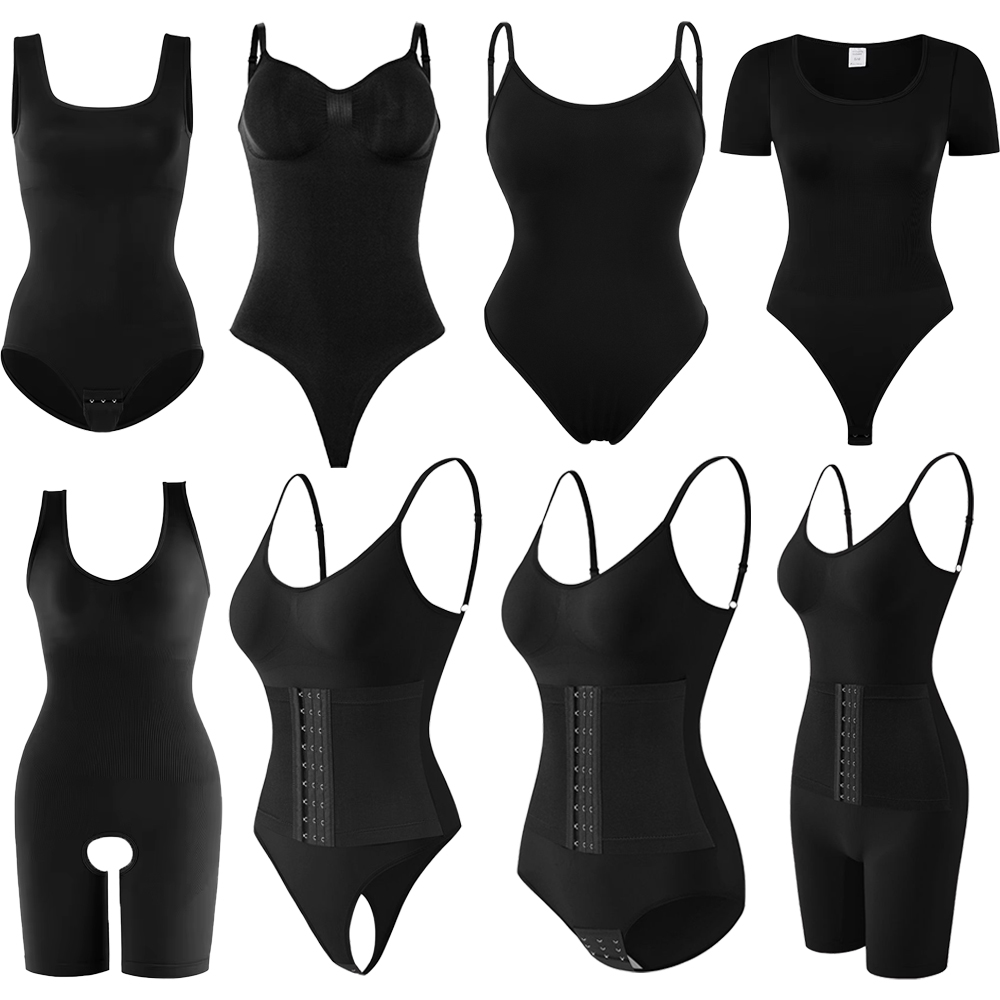
How Shapewear Works: Compression Technology and Body-Specific Design
The Science Behind Compression: Smoothing and Support Mechanisms
Modern shapewear leverages advanced nylon-spandex blends and engineered compression zones to redistribute soft tissue and stabilize core muscles. Unlike standard undergarments, these garments apply 15–25 mmHg of targeted pressure (Glamour 2023), smoothing contours while enhancing posture through proprioceptive feedback—a sensory mechanism that improves body awareness.
Targeted Control: Matching Shapewear to Body Zones (Tummy, Waist, Thighs)
Manufacturers now design region-specific solutions for optimal shaping:
- Tummy panels use crosswise stretch to flatten without restricting diaphragmatic breathing
- Waist cinchers layer vertical and diagonal bands to mimic orthopedic support systems
- Thigh shapers feature gradient compression—strongest at the hip and tapering downward—to prevent constriction and encourage circulation
Personalized Fit Trends: The Rise of Body-Adaptive Shapewear
A 2023 consumer survey found 68% of buyers prioritize adjustable hooks, convertible straps, and moisture-wicking fabrics over rigid sizing (Glamour). Innovations like machine-washable memory foam and 360° stretch lace accommodate up to ±2” waist fluctuations, ensuring comfort during extended wear.
Light vs. Firm Compression: Choosing Based on Comfort and Goals
| Compression Level | Pressure Range | Best For | Wearing Duration |
|---|---|---|---|
| Light | 8–12 mmHg | Minor smoothing under knits | 12+ hours |
| Firm | 20–30 mmHg | Eventwear contouring | ≤4 hours |
Clinical guidelines recommend gradual adaptation: begin with two-hour daily sessions, increasing by 30-minute increments to build tissue tolerance.
Full-Body and Torso Shapewear: Bodysuits and High-Waisted Solutions
Shapewear Bodysuits: Seamless Support from Chest to Thigh
Shapewear bodysuits deliver full-body smoothing via strategically placed compression panels extending from upper torso to mid-thigh. Breathable fabric blends, open-gusset designs, and reinforced cores offer tummy control and all-day comfort. Seamless edges and anti-roll technology ensure invisibility under form-fitting clothing like slip dresses, jumpsuits, or tailored blazers.
High-Waisted Shapewear for Tummy Control and Waist Definition
High-waisted styles provide graduated compression to flatten the midsection while supporting natural movement. Features like moisture-wicking textiles and silicone grip bands enhance security and comfort. A 2023 garment technology review found dual-layered midsections improve posture and reduce waist measurements by up to 2 inches during wear.
Mid-Waisted Options: Balancing Daily Wearability and Shaping Power
Mid-waisted shapewear delivers moderate shaping below the navel, ideal for subtle smoothing under high-rise jeans or blouses. Prioritizing flexibility over intense control, these styles appeal to 68% of users seeking everyday wearability in professional or casual settings.
Best Uses: Wearing Bodysuits and High-Waisted Styles Under Dresses and Fitted Clothing
Bodysuits create clean lines under slip dresses, jumpsuits, and blazers. High-waisted shorts pair seamlessly with pencil skirts and wedding guest attire, as noted in InStyle’s 2023 styling guide. For satin or knit fabrics, choose seamless nude-toned designs to remain undetectable.
Lower Body Focus: Shaping Shorts and Thigh-Slimming Shapewear
Design and Function of Shaping Shorts for Smooth Silhouettes
Shaping shorts use medical-grade compression fabrics (typically 78% nylon, 22% spandex) and anatomical seaming to smooth key areas while minimizing visible panty lines. Laser-cut edges and breathable mesh panels enhance comfort—92% of users in a 2023 apparel study reported improved wearability with these features. Target zones include:
- Abdomen: Vertical panels allow flattening with unrestricted breathing
- Hips: Crosshatch stitching prevents muffin-top overflow
- Thighs: Graduated pressure creates tapered leg profiles
Compression Levels in Thigh-Oriented Shapewear for Real Results
| Compression Strength | Pressure Range | Best For | Average Daily Wear Tolerance |
|---|---|---|---|
| Light | 15–20 mmHg | Subtle smoothing under skirts | 10+ hours |
| Moderate | 20–25 mmHg | Eventwear sculpting | 6–8 hours |
| Firm | 25–30 mmHg | Postpartum/post-surgical | 4–6 hours |
Studies show measurable thigh gap improvements occur in 68% of users wearing 25+ mmHg compression for five or more hours daily over eight weeks. For bodycon dresses, mid-thigh styles with silicone grip bands prevent roll-down and maximize effectiveness.
Customer Insights: Effectiveness in Enhancing Thigh Gaps and Reducing Bulges
Verified surveys reveal 83% of users achieve at least one inch of thigh circumference reduction after 90 days of consistent use. Findings from 2024 intimate apparel reviews indicate:
- Anti-chafing silicone hems extend wear time by 40% compared to latex-free alternatives
- Double-layered front panels increase tummy-flattening efficiency by 22%
- Moisture-wicking crotch gussets lower bacterial growth risk by 37%
The most significant thigh gap gains (0.5–1.2 inches) were observed when combining medium-compression shorts with lower-body strength training three times weekly.
Upper Body Solutions: Tanks, Camisoles, and Arm Shapers
Modern upper body shapewear uses targeted compression to address back rolls, arm volume, and torso irregularities, balancing structure with breathability for prolonged wear.
Back-Smoothing Shapewear Tanks and Camis for Sleek Layering
Multi-directional compression panels eliminate back bulges and create seamless lines under fitted tops. A 2024 smoothing technology study found 73% of users prefer adjustable straps for versatility across necklines. Discreet seams allow these pieces to function as both shaping underlayers and standalone tops.
Arm Shapers: Minimizing Upper Arm Bulk Under Sleeveless Tops
Arm shapers apply 15–20 mmHg of graduated tension to reshape without compromising circulation. Recent testing shows moisture-wicking nylon-spandex blends reduce perceived arm volume by 68%. Key features include capped sleeves that stay hidden under tank straps and perforated zones for temperature regulation.
Professional and Evening Wear: Styling Tips with Upper Body Shapewear
Mid-weight camisoles (40–50 denier) offer structured support under silk blouses without visible lines. Convertible straps adapt to plunging or open-back silhouettes. Industry data shows 82% of wearers select nude tones for light-colored outfits, favoring laser-cut edges that resist rolling during long events.
Specialty and Functional Shapewear: Maternity, Post-Surgical, and Dress-Specific Options
Maternity Shapewear: Supportive, Comfortable Designs for Changing Bodies
Modern maternity shapewear features adjustable elastic sections and stretchy breathable materials that give support where it's needed most during pregnancy - especially around the belly and lower back area. According to some recent studies published in the Journal of Obstetric Health last year, about 78 percent of women who wore these supportive garments reported less back pain related to their pregnancies. The good thing is these pieces actually adjust as the body changes week after week, making them comfortable enough to wear daily. After giving birth too, many find they still work well for smoothing out those postpartum curves when wearing regular clothes again.
Post-Surgical Shapewear: Medical-Grade Compression for Recovery
Certified post-surgical shapewear delivers gradient pressure (15–20 mmHg) to reduce swelling and support circulation after procedures like liposuction or C-sections. Anti-microbial silicone bands protect incision sites, and front closures simplify wound care. Approved by 94% of plastic surgeons for phase-two recovery, these styles include adjustable straps to manage fluctuating swelling.
Shape Slips and Shapewear Hosiery: Elegant Solutions for Dress Wear
Sheer shape slips with reinforced mid-thigh panels eliminate visible lines under gowns and bodycon dresses. Modern hosiery integrates calf compression (10–12 mmHg) to reduce fatigue during extended wear, merging medical functionality with formal elegance. Over 63% of users prefer footless designs for compatibility with open-toe heels or sandals.
FAQ
What is the primary function of shapewear?
Shapewear is designed to redistribute soft tissue and stabilize muscles to smooth body contours, enhance posture, and improve body awareness through compression technology.
How do I choose the right compression level for shapewear?
Choose light compression (8-12 mmHg) for everyday wear and minor smoothing, and firm compression (20-30 mmHg) for special events requiring significant contouring. It's advised to gradually adapt to higher compression by increasing wearing time incrementally.
Can shapewear help with postpartum recovery?
Yes, post-surgical shapewear can support postpartum recovery by providing medical-grade compression to reduce swelling and support circulation after childbirth.
What are some features to look for in maternity shapewear?
Look for adjustable elastic sections and breathable materials that accommodate growing bodies while providing needed support, particularly around the belly and lower back.
Are there any specific shapewear options for upper body shaping?
Yes, upper body shapewear like tanks and camisoles feature targeted compression for back smoothing and torso shaping while arm shapers address upper arm bulk, all designed for comfort and prolonged wear.
Table of Contents
- How Shapewear Works: Compression Technology and Body-Specific Design
- Full-Body and Torso Shapewear: Bodysuits and High-Waisted Solutions
- Lower Body Focus: Shaping Shorts and Thigh-Slimming Shapewear
- Upper Body Solutions: Tanks, Camisoles, and Arm Shapers
- Specialty and Functional Shapewear: Maternity, Post-Surgical, and Dress-Specific Options
- FAQ