
 EN
EN
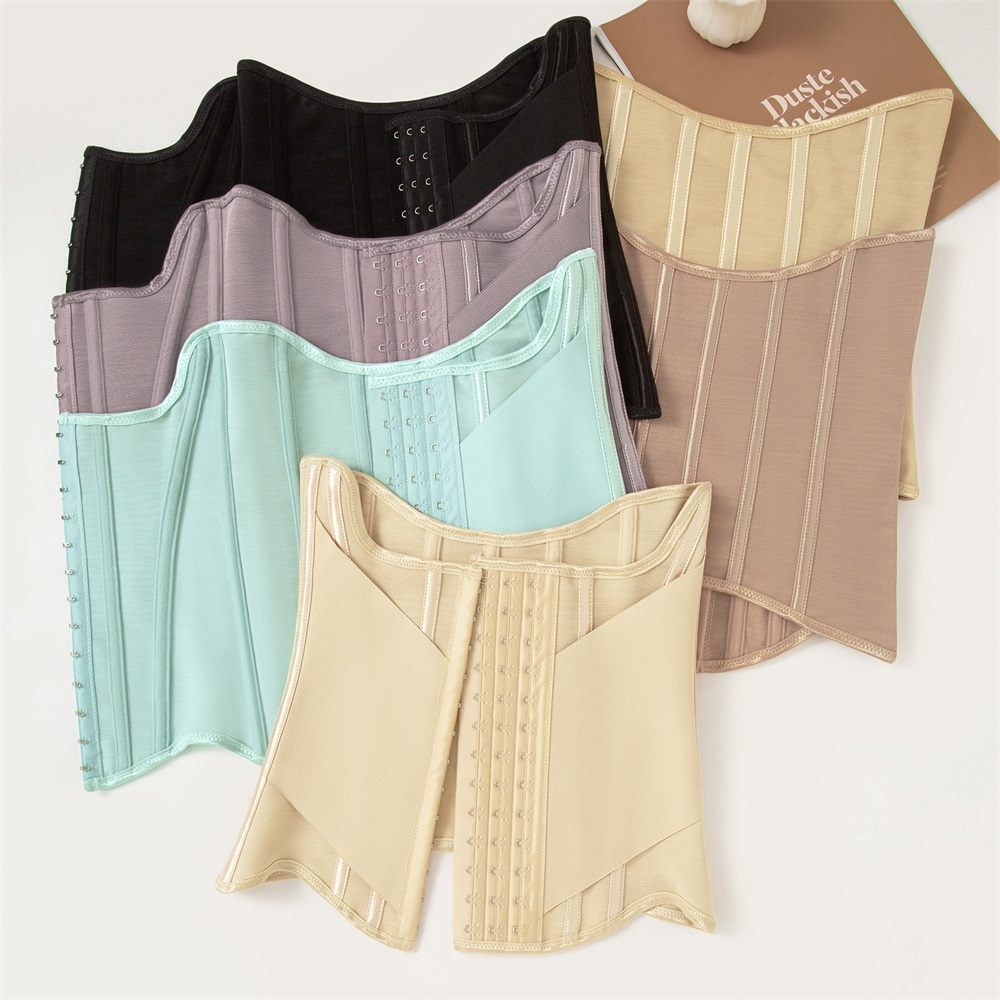
How a Slimming Waist Trainer Actually Works—And What It Doesn’t Do
Mechanics of compression: temporary contouring vs. fat loss
Waist trainers work by squishing the middle area with stiff stuff inside them, think steel bones and really tight fabric weave. What happens? Well, it basically pushes all that soft stuff around the waist up and down the body, kind of like when someone squeezes a toothpaste tube from the middle. But here's the thing nobody wants to hear about these belly bands: once taken off, everything goes back to normal pretty quickly. They don't actually get rid of fat cells like surgery does or what happens when someone loses weight properly over time. Scientific studies have looked into this stuff too, and guess what? Those fancy compression clothes won't boost your metabolism or change how much body fat someone has long term. Just gives a temporary illusion of a smaller waistline while wearing them.
The role of fluid shift and posture correction in perceived 'slimming'
The temporary slimming effect happens because compression pushes fluids around in the body. When someone wears these tight garments, fluids get moved to different spots, creating a smoother look that lasts about four to six hours after taking them off. Many people find that rigid waist trainers help them stand straighter since they push the spine into a more extended position while being worn. However, research indicates there aren't lasting changes to posture. Once folks stop using these devices, their core muscles go back to how they were before. There's just no real proof that wearing something tight actually trains the muscles in any meaningful way over time.
What the Research Says About Slimming Waist Trainer Effectiveness
Clinical evidence on waist circumference reduction: short-term results and limitations
Most clinical research shows people experience waist size drops around 1 to 2 centimeters when wearing these devices. But this isn't actual fat burning folks think it is. What happens instead is tissues get compressed and fluids shift positions temporarily. Once someone takes off the trainer though, everything goes back to normal pretty much right away. This was actually tested through some pretty detailed pressure studies published in the Journal of Sports Science last year. We haven't seen any solid evidence from reputable journals showing lasting changes in shape either. Looking at all the research available, there are several issues worth noting. Many studies only tracked small groups of participants for short periods without really checking what happened months later. And here's something else important nobody talks about much these days: waist trainers don't actually build stronger abs or boost metabolism while being worn. They just sit there doing nothing for those fitness goals most people want.
Meta-review of peer-reviewed studies on slimming waist trainer outcomes
A systematic review of 12 studies involving 800+ participants reveals consistent findings:
- 89% reported temporary waist reduction averaging 1.5 cm during use
- Zero studies demonstrated sustained fat loss beyond 48 hours post-removal
- 67% documented adverse events—including acid reflux, dyspnea, and reduced forced vital capacity
The consensus is clear: slimming waist trainers have no role in evidence-based weight management. Their sole validated utility is short-term cosmetic contouring, and even then, only under professional guidance.
Health Risks and Safety Considerations of Regular Slimming Waist Trainer Use
Documented physiological impacts: digestion, breathing, and core muscle function
Using this equipment regularly comes with some pretty clear health risks that have been studied extensively. When compressed, it limits how much the diaphragm can move around, which cuts down lung capacity anywhere from 30 to 60 percent. That often leads people to feel short of breath even when doing simple things like walking around. The pressure inside the abdomen also makes acid reflux worse, so heartburn becomes a bigger problem for many users. Over time, relying too much on this kind of support actually weakens the core muscles because they aren't being used as they should be, making proper posture harder to maintain naturally. Research published in 2023 found that after just six months of wearing it every day, about 68 percent of people started experiencing back pain issues. Tests showed their transverse abdominis muscles weren't activating properly anymore according to electromyography readings. Because of all these concerns, most doctors recommend keeping usage under two hours each day at maximum. And absolutely avoid wearing it while sleeping, exercising, or eating meals.
Slimming Waist Trainer in Context: Complement or Compromise?
When (and how) a slimming waist trainer may support—not replace—evidence-based weight management
Waist trainers might give the appearance of a smaller figure temporarily because they compress the body mechanically, but they won't actually help burn fat metabolically. What people see when wearing them is mostly due to fluids shifting around and posture being adjusted passively, nothing to do with changes at the cell level or hormone production. If someone wants results that last, these devices need to be used carefully as an addition to basic healthy habits, not as replacements for them. Studies indicate that folks who combine waist compression with regular strength workouts and eat fewer calories tend to lose about three times more around their waist compared to those who only do one of those things. However, relying too much on waist trainers comes with downsides worth considering: muscles in the core area can weaken faster, digestion problems may occur, and breathing could become difficult. Most experts suggest limiting wear time to no more than two hours each day while still doing proper strength exercises and eating foods rich in nutrients. Real long term changes come down to factors we can control ourselves such as how our bodies handle sugar, all the small movements we make throughout the day (like fidgeting or walking), and staying consistent with good habits over time instead of just putting pressure on our bodies externally.
FAQ Section
What is the primary function of a slimming waist trainer?
The primary function of a slimming waist trainer is to provide temporary contouring by compressing the waist area. It gives the illusion of a smaller waist while worn.
Can waist trainers actually reduce body fat?
No, waist trainers do not contribute to body fat loss. They only compress tissues and shift fluids temporarily, providing short-term visual changes.
Are there any long-term effects of wearing a waist trainer?
There are no lasting changes in waist shape or reduction in body fat from wearing a waist trainer. Long-term usage can lead to health issues such as weakened core muscles and digestion problems.
How should waist trainers be used for maximum safe benefit?
Waist trainers should be used carefully as a complement to healthy habits such as regular exercise and a nutritious diet. Limit wearing time to less than two hours a day, and avoid using them while sleeping, exercising, or eating.