
 EN
EN
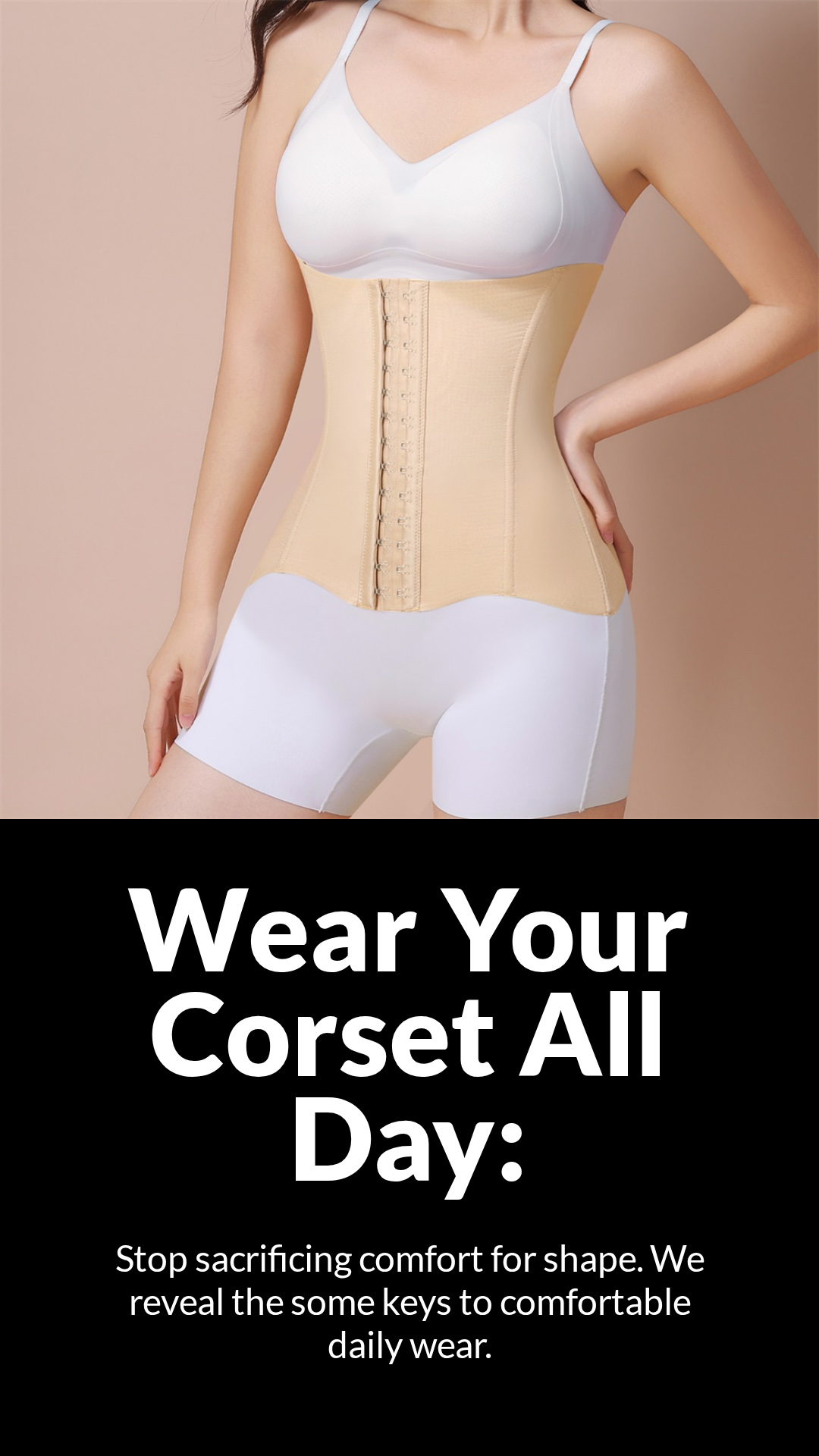
Choose the Right Waist Corset: Fit, Sizing, and Body Proportion Essentials
Why 'One Size Fits All' Fails for Waist Corsets
One size does not fit all when it comes to waist corsets because people's bodies come in so many different shapes. Torso lengths differ, rib cages have varying widths, and where someone's natural waist sits can be completely different from person to person. When someone forces themselves into a generic corset design, they might end up with compressed nerves, trouble breathing properly, or even damaged tissues over time. Getting the right fit starts with taking three key measurements accurately. First measure around the chest just below the bust line. Then find the smallest part of the waist, usually right above the belly button area. Lastly, check the fullest part of the hips, typically about an inch or two below those bony protrusions on either side. Taking these basic measurements helps make sure the corset actually works for the body instead of against it, which makes wearing comfortable and safe in the long run.
The 2–4 Inch Reduction Rule and Ribcage-to-Hip Ratio Explained
When starting out with waist training, most experts recommend keeping the initial reduction between 2 and 4 inches below what's naturally measured at the waistline. Going beyond that can put unnecessary strain on internal organs and actually mess with normal breathing patterns. Want to know if your body type will work well with this? Try calculating something called the ribcage-to-hip ratio. Just take the measurement around the underbust area and divide it by the number taken at the highest part of the hips. If the result is somewhere close to 0.7, chances are good that the person has an hourglass figure which responds pretty well to moderate reductions. But for those getting numbers over 0.85, their bodies tend to be straighter in shape. These folks need corsets specifically designed with graduated hip springs so nothing digs in or creates uncomfortable pressure spots across different parts of the body. Looking at these proportions helps maintain healthy blood circulation throughout the process while still achieving that desired balanced look over time.
Put On Your Waist Corset Correctly: Alignment, Breathing, and Strain Prevention
Proper donning technique is foundational—not optional. Misalignment during application creates uneven pressure, pinching, or postural imbalance, especially during extended wear.
Avoiding Hip-Bone Catching and Asymmetric Torso Loading
Place the bottom of the corset just above those bony parts on your hips (they're called ASIS points if we get technical) so it doesn't catch painfully. Before pulling anything tight, make sure the dress sits straight down your back. When it starts to lean to one side, this messes with how your ribs line up and can really tax those muscles between them. Studies show this kind of misalignment actually raises muscle strain by around 40% in some cases. As you tie up the sides, try bending left and right gently. If you can move freely without discomfort, great! That means everything's lined up properly vertically. But if something feels off or painful during these movements, take a step back and adjust the positioning first before fastening all those hooks at the front.
The 'Breathe-In, Pull-Up, Lock-Down' Sequence
Start with a deep breath that fills up the lower part of your lungs and pushes against the diaphragm area. This gives the internal organs room to shift properly when wearing a corset. Carefully bring the garment up around the torso until it sits comfortably where it belongs on the body. As you let out the air, go ahead and fasten those middle hooks first, keeping the back straight but not rigid. Then work on securing both ends without bending forward or sticking out the butt too much. Research indicates following these steps cuts down on stomach discomfort by almost 60% versus just randomly tightening things up. Once everything feels settled, stay in this adjusted state for about 15 minutes before deciding if any tweaks are needed later on.
Lace Your Waist Corset for All-Day Comfort: Technique and Timing
Escaping the 'Over-Tightening Trap'
When people tighten their corsets too much right from the start, it often leads to all sorts of problems down the road. We're talking about things like nerve irritation between the ribs and even trouble breathing properly over time. A study published last year in the Orthopedic Practice Journal found that nearly seven out of ten newcomers experience some kind of pain because they started off way too tight. To avoid getting stuck with these issues, leave about two fingers worth of space between your body and the corset around where your waist naturally sits when you first put it on. The best place to apply pressure is actually where your torso naturally tapers in shape, not so much at the rib cage or hips area. And remember to take things slow initially rather than jumping straight into maximum compression.
- Week 1: 4 hours/day at ~30% compression
- Week 2: 6 hours/day at ~40% compression
- Week 3+: Increase compression by ~10% weekly, only if comfortable
Never force closure—your corset should close smoothly with light resistance.
Spiral Lacing + Gradual Tightening with 15-Minute Acclimation Intervals
Spiral lacing—crisscrossing laces diagonally through eyelets—distributes pressure evenly across the torso, minimizing localized stress. Begin with parallel lacing at the top, then alternate crossing direction every 3–4 eyelets down the back. Pair this technique with timed acclimation:
| Step | Action | Duration | Benefit |
|---|---|---|---|
| 1 | Initial snug fit | — | Establishes baseline tension |
| 2 | Gentle tightening | 15 mins | Allows soft-tissue adaptation |
| 3 | Pause for movement | 2 mins | Restores microcirculation |
| 4 | Repeat tightening cycle | 3– | Achieves target compression safely |
After each 15-minute interval, perform a micro-break: stand tall and take five slow, deep breaths while reaching overhead. This routine reduces pinching risk by 47% (biomechanical analysis, 2023) and ensures compression remains within functional, breathable limits.
Wear Your Waist Corset Safely for Extended Use: Adaptation, Breaks, and Long-Term Comfort
Medical-Backed Gradual Wear Schedule (Weeks 1–4)
Health professionals generally recommend a step-by-step approach when adapting to new equipment to help the body adjust properly. During the first week, start with just 1 to 2 hours each day, concentrating mainly on how things feel in terms of posture, breathing patterns, and overall comfort level. If there are no issues like tingling sensations, difficulty catching breath, or any skin problems after that initial phase, then increasing time to around 3 or 4 hours in week two makes sense. By the third week, most people can handle wearing it for approximately 5 to 6 hours as long as they keep track of their water intake and check for any signs of irritation on the skin. The fourth week might allow for up to 8 hours of use, though it's important not to wear it while sleeping, doing intense workouts, or eating meals. According to recent research published in the Biomechanics Journal last year, following this gradual plan reduces negative side effects such as stomach troubles and breathing difficulties by more than half compared to jumping straight into full day usage. Anyone experiencing discomfort should stop right away and seek advice from a doctor if symptoms continue beyond a reasonable timeframe.
Micro-Breaks and Postural Resets Every 90 Minutes
Continuous wear demands intentional recovery. Every 90 minutes, remove the corset for 10–15 minutes to restore circulation, relieve visceral pressure, and reset neuromuscular feedback. During each break:
- Stand upright and inhale for 5 seconds while reaching overhead
- Exhale slowly through pursed lips during gentle torso rotations
- Walk for 2–3 minutes to reactivate core stabilizers
This sequence mitigates lumbar compression and lowers nerve irritation risk by promoting dynamic spinal mobility. When re-lacing, begin loosely and gradually adjust—never force tightness. Clinical data from Rehabilitation Medicine (2024) confirms that scheduled postural resets reduce cumulative discomfort by 40%, making them indispensable for sustainable, health-conscious wear.
FAQ Section
Why doesn't 'one size fits all' work for waist corsets?
'One size fits all' doesn't work because individuals have diverse body shapes and sizes, affecting fit and comfort.
What is the 2-4 inch reduction rule in waist training?
This rule suggests maintaining a waist reduction of 2-4 inches from your natural size to avoid straining internal organs.
How should I lace my waist corset to ensure comfort?
Use spiral lacing combined with acclimation intervals for even pressure and avoid over-tightening.
What is the recommended adaptation schedule for wearing a corset?
Starting with 1-2 hours daily and gradually increasing over four weeks helps the body adjust to wearing a corset safely.
Table of Contents
- Choose the Right Waist Corset: Fit, Sizing, and Body Proportion Essentials
- Put On Your Waist Corset Correctly: Alignment, Breathing, and Strain Prevention
- Lace Your Waist Corset for All-Day Comfort: Technique and Timing
- Wear Your Waist Corset Safely for Extended Use: Adaptation, Breaks, and Long-Term Comfort
- FAQ Section