
 EN
EN
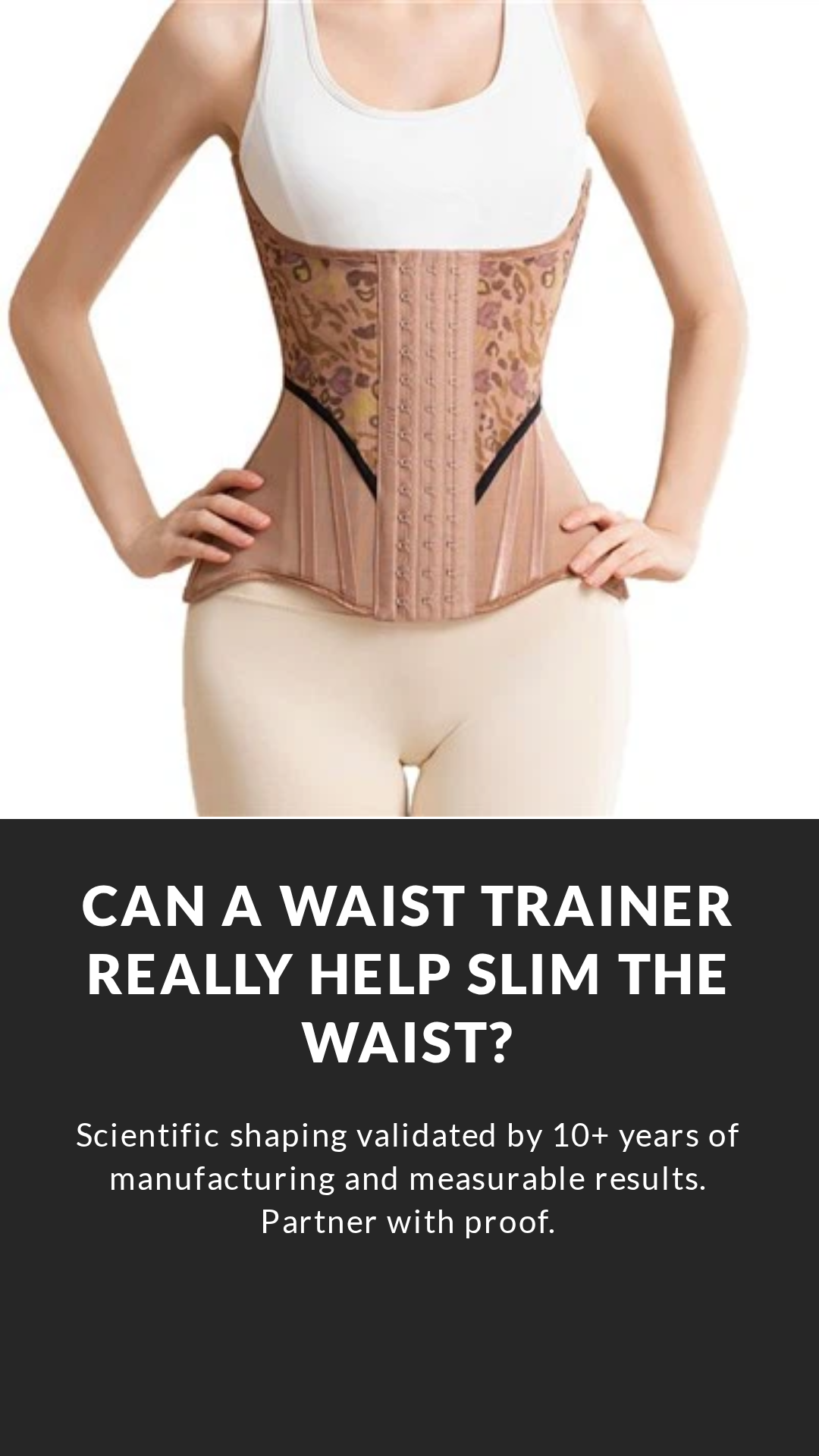
Defining Waist Trainers: Design, Materials, and Intended Use
Waist trainers basically work like tight compression wear, usually constructed from materials like latex, spandex, or some kind of reinforced fabric mix. Most have adjustable fastenings at the back either through hooks or Velcro straps. These garments often include vertical boning similar to old fashioned corsets, which creates that snug fit around the waist area. They compress the midsection pretty firmly, giving the same slimming look as traditional corsets did back in the day, but without being so restrictive for regular daily use according to WebMD from 2023. The main goal here is shaping the body into that classic hourglass figure right away while also helping maintain better posture throughout normal activities or when working out at the gym.
The Mechanics of Compression: Posture Correction and Temporary Shaping
The way these clothes work is pretty straightforward they push around the soft stuff in the belly area and give some back support, which often makes people stand straighter and look slimmer temporarily. But here's the catch when someone takes them off, their waist goes right back to normal almost immediately. Some folks report their ribs start getting used to the pressure after wearing them regularly, but doctors warn this adaptation might actually mess with breathing and digestion instead of helping create a healthier shape. The real issue is whether the benefits outweigh potential risks for long term health.
Thermal Effects and Sweating: Do They Contribute to Fat Loss?
Some companies market waist trainers as devices that help burn fat by making people sweat more during workouts. What they don't tell us is that what happens here is just temporary water weight loss, nothing to do with real fat burning. A study from last year showed that all that extra sweating doesn't actually change body fat levels or make waists smaller over time. And let's talk about this whole idea of spot reduction for a minute. The notion that we can target fat loss in specific areas using special techniques? Well, science hasn't backed that up at all.
Do Waist Trainers Actually Reduce Waist Size? Evidence and Limitations
Temporary vs. Permanent Results: Understanding Visual Changes
Waist trainers give that immediate flat stomach look because they basically squeeze everything in there, but according to some research published in Sports Medicine back in 2022, most people find those results vanish pretty quickly once they take off the trainer. We're talking anywhere from 2 to 4 hours later. A lot of folks say their posture gets better while wearing one, with around 8 out of 10 reporting this benefit. However, if someone wears these things all day every day, there's evidence suggesting it might actually make core muscles weaker over time since the body isn't forced to work them naturally anymore. And when that happens, keeping that nice defined waist becomes much tougher without something holding everything together externally.
Clinical Insights: Studies on Waist Circumference and Consistent Use
There's actually nothing in the medical research that backs up claims about waist trainers shrinking waists permanently. According to a recent study mentioned on WebMD last year, they looked at 150 people using these devices regularly over six months and didn't see any real difference in their body fat percentages or actual waist sizes. Another look at what happens when 200 people wore them showed just about 1.5 centimeters of change on average after three months. That's pretty much the same kind of variation someone might experience just based on how hydrated they are day to day anyway.
Spot Reduction Myth: Can Waist Trainers Burn Fat in Targeted Areas?
When it comes to losing body fat, the whole body works together when there's a calorie deficit rather than just targeting specific areas. Research from the American Council on Exercise back in 2018 put an end to the myth of spot reduction once and for all. The findings were pretty clear cut actually. People who used waist trainers while exercising ended up shedding fat much slower compared to those without them. Why? Well, these restrictive garments probably limited how deeply they could breathe during workouts and made their exercises less intense overall because of the tightness around the stomach area.
Appetite Suppression Claims: Compression, Digestion, and Satiety
People sometimes say they eat less because their stomach feels compressed, but science hasn't really backed this up as a good way to manage weight over time. Looking at studies published last year in the Journal of Obesity, researchers actually saw no real improvement in how full people felt when using external pressure methods. And there's another problem too. About 4 out of every 10 people who tried these devices during testing ended up with acid reflux issues or trouble digesting properly. These kinds of digestive problems can mess with how the body absorbs nutrients and generally throw off someone's metabolism. Not exactly what most folks are looking for when trying to get healthier.
Health Risks of Long-Term Waist Trainer Use
Digestive and Respiratory Issues From Abdominal Compression
When someone wears something too tight for extended periods, it builds up pressure inside the belly area. This pressure pushes internal organs upwards, making heartburn and acid reflux much more likely according to WebMD's findings from last year. The compression doesn't just affect digestion either. It actually restricts how well the diaphragm can expand, cutting lung capacity anywhere between 30% and 60%. That makes breathing harder when exercising or doing any kind of physical work. Research from the Mayo Clinic back in 2021 found pretty alarming results too. They looked at people who consistently wore things too snug around their midsection and discovered that nearly four out of five individuals experienced ongoing digestive issues plus significant strain on their diaphragms after just six months of this practice.
Potential for Organ Displacement and Muscle Atrophy
When someone wears these garments continuously, the constant pressure can actually push around internal organs such as the liver and kidneys, which eventually affects how well they work. Studies have found something pretty alarming too. About 4 out of every 10 people who use them for extended periods end up with weaker core muscles simply because those muscles aren't getting enough exercise. And when that happens, folks become increasingly reliant on the garment itself just to maintain proper posture. According to research published by Johns Hopkins in 2022, this kind of muscle weakness doesn't go away once someone stops wearing the garment either. Many physical therapists see patients suffering from ongoing back problems months or even years after they've stopped using support garments, so it really pays to be aware of these risks ahead of time.
Medical Warnings and Physical Therapy Perspectives
In 2023, Cleveland Clinic put out a warning about extreme waist training after noticing more people showing up at ERs with stomach problems and trouble breathing. According to what doctors are saying, these tight waist wraps basically become something people rely on for posture support. Medical News Today backs this up with some interesting numbers too. Their research found around 89 out of 100 individuals who wore these things every day for over a year ended up needing help rebuilding their core strength later on. Makes sense really, since relying on external support can weaken natural muscles over time.
When Aesthetics Override Physiology: The Hidden Costs of Tight Lacing
According to the Royal College of Surgeons, keeping corsets tightly laced for long periods causes rib cage deformations in about one third of people who do extreme waist training. Social media keeps pushing those super slim looks as something desirable, but real world evidence tells another story. Nearly two thirds of individuals wearing these restrictive garments report experiencing at least two persistent health problems. What this means is simple really - when someone goes after those quick fixes for body shape, they're usually setting themselves up for serious long term damage to their physical well being.
Real User Experiences and the Role of Social Influence
Before-and-after results: What consistent users report
People love posting those before and after pics online claiming they lost 1 or 2 inches just from wearing this thing. The truth is most of these pictures are pretty staged too, with all sorts of tricks like special angles, good lighting, and picking the right moment for the shot. Even though there's no real science backing up these claims, folks still believe them. A recent study from last year actually showed something interesting - around two thirds of shoppers actually put more faith in what other customers post online compared to official ads from companies. That helps explain why so many people get excited about these personal success stories, even when they don't hold up under scrutiny.
Celebrity culture and social media trends driving popularity
Instagram and TikTok have amplified waist trainer trends through influencer marketing and viral challenges. According to BuzzCharts, 23 trending “waist-snatching” videos generated 740 million views in 2023 alone. However, most promoted results involve concurrent diet and fitness regimens, making it difficult to isolate the trainer’s actual contribution to body changes.
Survey data: Benefits vs. adverse effects reported by wearers
A 2023 survey of 1,200 regular users revealed mixed outcomes:
- 72% reported increased posture awareness
- 58% noticed temporary waist slimming
- 41% experienced skin irritation or breathing difficulties
Consumer insights indicate that 63% of first-time buyers were influenced by social media endorsements rather than clinical evidence, highlighting a growing gap between aesthetic ideals and health-based decision-making.
Effective Alternatives to Waist Trainers for Sustainable Waist Shaping
Sustainable waist shaping requires addressing body composition rather than merely displacing tissue. While waist trainers offer only transient visual effects, evidence-based strategies deliver lasting results without compromising organ function or circulation.
Core-Strengthening Exercises for Natural Waist Definition
Doing exercises like planks, dead bugs, and those rotational cable moves works on the transverse abdominis muscle deep down in the belly area that naturally helps tighten the waistline. According to some research from last year in sports medicine journals, people who did core stability work about four days a week saw their waists shrink around 7 percent more after half a year than folks relying on waist trainers. The thing about these kinds of workouts is they do more than just slim things down. They actually improve how someone stands and moves, boost metabolism while at it, and develop real world strength that matters outside the gym too.
Nutrition and Fat Loss Strategies for Overall Body Composition
Long-term waist reduction depends on lowering visceral fat, which makes up approximately 34% of abdominal volume in adults (International Journal of Obesity 2022). Effective strategies include:
- Maintaining a 15–20% calorie deficit using high-protein, fiber-rich meals
- Reducing added sugars, which are linked to a 27% increase in belly fat storage
- Staying well-hydrated to support metabolic efficiency
Unlike compression garments, these approaches improve both appearance and internal health.
Comparing Waist Trainers to Science-Backed Health Practices
According to Healthline research, people who stick with strength training for about six months tend to keep around 94% of their waist size reductions thanks to all that muscle growth. On the flip side, waist trainers just don't deliver any real changes inside the body. When it comes to burning fat, resistance exercises actually raise the resting metabolic rate by roughly 9 percent, which means more fat burned than what happens when someone simply wears something tight all day long, as noted in a study from the Journal of Applied Physiology back in 2023. If folks want a quick shape fix without messing with their health, good quality shapewear works pretty well visually too. The best part? Properly fitting garments won't mess with normal breathing patterns or put pressure on internal organs like some restrictive clothing does.
FAQ
What are waist trainers?
Waist trainers are compression garments made from materials like latex or spandex, designed to temporarily shape the body into an hourglass figure by compressing the midsection.
Do waist trainers work for permanent waist reduction?
Waist trainers provide temporary visual effects but do not reduce waist size permanently. Consistent use does not lead to permanent fat loss or waist reduction.
Can waist trainers help with posture?
Yes, many people report improved posture while wearing waist trainers, but prolonged use may weaken core muscles over time.
Are there health risks associated with waist trainers?
Long-term use can lead to digestive, respiratory issues, and muscle atrophy due to constant abdominal compression.
What are better alternatives for waist shaping?
Core-strengthening exercises and proper nutrition strategies offer sustainable waist shaping without adverse health effects.
Table of Contents
- Defining Waist Trainers: Design, Materials, and Intended Use
- The Mechanics of Compression: Posture Correction and Temporary Shaping
- Thermal Effects and Sweating: Do They Contribute to Fat Loss?
- Do Waist Trainers Actually Reduce Waist Size? Evidence and Limitations
- Health Risks of Long-Term Waist Trainer Use
- Real User Experiences and the Role of Social Influence
- Effective Alternatives to Waist Trainers for Sustainable Waist Shaping
- Core-Strengthening Exercises for Natural Waist Definition
- Nutrition and Fat Loss Strategies for Overall Body Composition
- Comparing Waist Trainers to Science-Backed Health Practices
- FAQ