
 EN
EN
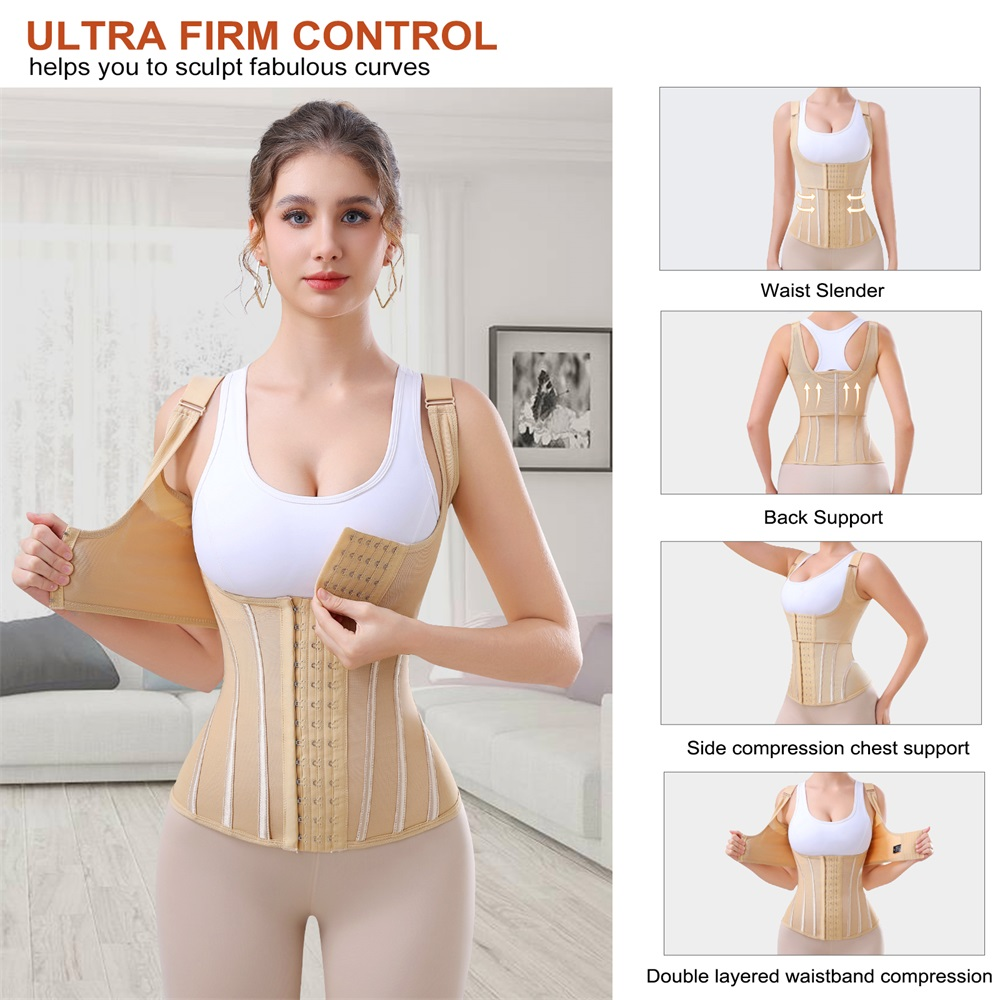
Selecting the Wrong Size or Ignoring Fit Guidelines
Why 'One Size Fits All' Compromises Waist Trainer Effectiveness and Safety
Waist trainers that claim to fit everyone actually come with some pretty significant dangers for both safety and function. When these garments don't fit right, they can mess with normal breathing patterns, put pressure on nerves around the body, and even slow down the body's natural drainage system which might lead to swelling or slower healing times after workouts. Research from last year found that about two thirds of people who complained about discomfort had simply bought the wrong size, and nearly half ended up with irritated skin from rubbing against the fabric. Regular clothes stretch and adjust naturally when worn, but waist trainers need to distribute pressure evenly across the whole midsection area. Generic sizes tend to create hotspots where too much pressure builds up, weakening posture support while increasing internal abdominal pressure somewhere around 30 percent higher than intended. Getting the right fit isn't just nice to have it's absolutely necessary if someone wants to use these products safely and get any real benefits from them.
Step-by-Step Measurement Protocol for Accurate Waist Trainer Sizing
Follow this protocol before purchasing:
- Natural Waist: Locate the narrowest point above your navel (typically just below the ribcage)
- Lower Torso: Measure the fullest part of your hips while standing upright
- Torso Length: Record the distance from underbust to hip crest
- Flexibility Test: Gently bend sideways to assess natural skin elasticity
Compare results against the brand’s specific sizing chart—never generic clothing sizes. Re-measure every three months, as ±7 lbs of weight fluctuation meaningfully affects fit. Key fit indicators:
- A gap exceeding 1.5 inches signals oversizing
- Skin spillage, numbness, or restricted breathing indicates dangerous undersizing
Professional fitters recommend allowing 0.8–1 inch of expansion room for comfortable, sustainable daily wear.
Prioritizing Cost Over Material Quality in Waist Trainer Construction
Latex, Neoprene, and Spandex: How Material Composition Impacts Breathability, Durability, and Skin Safety
What materials something is made from really affects how safe it feels, how long it lasts, and whether our bodies react well to it over time. Latex gives great compression that responds quickly to movement, but it tends to trap heat and sweat inside, which can lead to issues like folliculitis or intertrigo when worn for too long. Neoprene stands out for lasting power and keeping things warm, although most people find it doesn't breathe well enough, causing skin problems for about three out of four users according to skin doctors' reports. Good quality spandex mixtures strike a nice balance between stretchiness and air circulation, but cheaper versions often fall apart after just a few uses under normal conditions. Cotton blended with spandex works better at managing sweat while still holding shape reasonably well. Anyone concerned about actual safety should look for fabrics certified under the OEKO-TEX Standard 100 program. These materials have been checked by third parties to ensure they don't contain dangerous chemicals like certain dyes, formaldehyde, heavy metals, or other stuff we'd rather not be exposed to.
Red Flags in Material Claims: Unverified Certifications and Substandard Blends
Ambiguous marketing language often masks compromised materials. Watch for these red flags:
- “Medical-grade” or “clinical-grade” claims lacking third-party verification or regulatory alignment (e.g., FDA clearance or ISO 13485 certification)
- Vague fiber descriptions like “70% elastic” instead of named components (e.g., “82% nylon, 18% spandex”)
- Polyester content exceeding 30%, which reduces breathability by ~40% and hinders moisture wicking
- Absence of OEKO-TEX® or REACH compliance documentation
Budget manufacturers frequently substitute recycled synthetics that shed microplastics during laundering and lose elasticity after minimal use. Always request third-party test reports—reputable brands provide transparent, accessible documentation and avoid polymer blends known to accelerate wear or trigger sensitization.
Mismatching Compression Level to Experience and Intended Use
The Science of Safe Compression: Why 0.8–1.2 psi Is Optimal for Daily Waist Trainer Wear
Studies in biomechanics point to a safe compression range of about 0.8 to 1.2 pounds per square inch for regular waist trainer usage. At these levels, the pressure helps boost body awareness and core muscle activation while still allowing normal blood flow back to the heart, proper breathing mechanics, and healthy digestive function. Higher pressures above 1.5 psi tell a different story though. These intense compressions can raise internal abdominal pressure by around 30%, leading to problems like acid reflux, numbness in the outer thigh area from nerve compression, and decreased lung capacity when taking deep breaths. When staying within that sweet spot of 0.8 to 1.2 psi, people generally keep their full ability to expand their diaphragm naturally and stay aware of their posture throughout the day. This makes the range suitable for everyone from first-time users to those who wear trainers regularly. Going beyond this limit tends to cause discomfort for about 40% of individuals, so adjusting the pressure based on what someone is doing, how long they plan to wear it, and their personal comfort level becomes really important for getting the most out of waist training without negative side effects.
Overlooking Verified User Feedback and Evidence-Based Usage Protocols
How Top-Rated Waist Trainer Brands Align With Lower Incident Rates of Discomfort and Injury
Products built around actual customer experiences tend to perform better when it comes to safety. According to research published last year, people who picked their waist trainer after reading what others had to say saw about 78 percent fewer problems with skin irritation and back pain than folks who just grabbed whatever was on sale. Why? Because companies actually listen to what customers complain about and fix things. They put the boning where it matters most, reinforce seams in trouble spots, and line the inside with stuff that pulls sweat away from the body. These changes come straight from real people wearing these products day in and day out, dealing with all sorts of pressure points and temperature issues nobody thought about before.
Critical Usage Guidelines: Recommended Wear Duration, Break Intervals, and Contraindications
Evidence-based protocols significantly reduce adverse events. Adhere to these medically informed standards:
- Daily wear duration: Start with 2–4 hours maximum; increase only if no discomfort, swelling, or breathing restriction occurs
- Mandatory breaks: Remove every 45–60 minutes for a minimum 15-minute tissue-recovery interval
- Contraindications: Avoid entirely during pregnancy, with abdominal hernias, or active gastrointestinal conditions (e.g., IBS, Crohn’s disease, hiatal hernia)
Clinical trials show deviations from these guidelines raise adverse event likelihood by 67% (Journal of Orthopaedic Research, 2022). Always consult a licensed healthcare provider before initiating use—especially with cardiovascular, respiratory, or neurological comorbidities.
FAQ Section
What happens if I choose the wrong size waist trainer?
Choosing an incorrect size can lead to discomfort, skin irritation, breathing problems, and increased abdominal pressure.
How do I measure my size accurately for a waist trainer?
Measure your natural waist, lower torso, and torso length, then compare against the brand's specific sizing chart.
What materials are best for waist trainers in terms of safety?
Opt for materials certified under OEKO-TEX Standard 100, which ensures they don't contain harmful chemicals.
How long should I wear a waist trainer daily?
Start with 2-4 hours, removing it every 45-60 minutes for at least 15 minutes.
Are there any health conditions that contraindicate waist trainer use?
Yes, avoid using waist trainers during pregnancy, with abdominal hernias, or active gastrointestinal conditions.